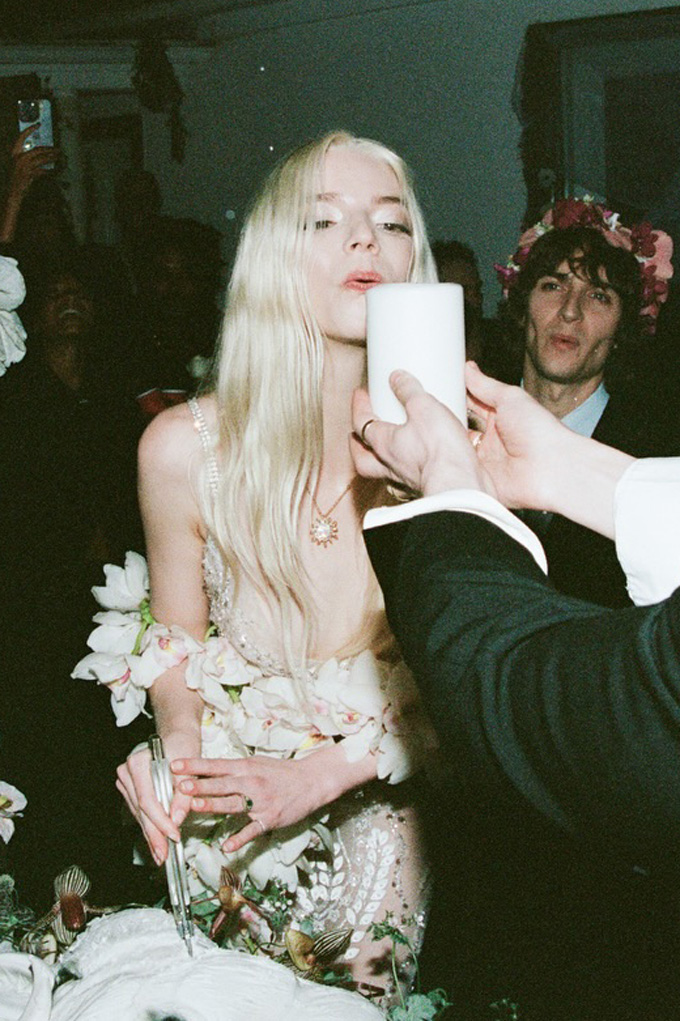
A typical birthday usually looks like this: cake, spirited celebrations with loved ones, and an outpouring of joy. But for some people, birthdays come with a heavier feeling. In the days leading up to mine, I more often than not feel a slight sense of dread—an uncomfortable emotional weight that I can never quite explain. Not because I dislike celebrating, nor is it because I’m ungrateful for another year.
Though I still can’t quite pinpoint the exact reason birthdays feel like such a difficult day, this year’s affair forced me to confront what it is that truly bothers me. Does the day force me to reflect on what I’ve achieved in the past year? Or does it prompt me to—whether voluntarily or not—reevaluate the relationships in my life? Whatever the reason is, this dreaded feeling—the so-called birthday blues—is more common than we think.
While birthdays are culturally framed as occasions of happiness and celebration, they can also stir up sadness, anxiety, loneliness, or even grief. The pressure to feel joyful can make these emotions feel confusing or isolating, especially when everyone else seems to treat birthdays as uncomplicated milestones, shares Dr Sanveen Kang, a clinical psychologist. But this wave of negative emotions is rarely about disliking birthdays themselves. More often, they are tied to what the day represents: the passage of time, changing relationships, unmet expectations, and the realisation of growing older.

Explaining the birthday blues
“There is something tender, almost fragile, about birthdays that we do not speak about enough,” explains Kang. “We are taught from a very young age that birthdays are meant to be joyful. They are positioned as days filled with celebration, attention, and love. Yet, as we grow older, many of us find ourselves sitting with a more complicated emotional landscape, one that does not always align with the expectation of happiness we have inherited.”
According to Kang, birthdays often act as emotional checkpoints. “Birthdays, in many ways, hold a mirror up to our lives. They do not simply mark time, they invite reflection. Am I where I thought I would be? Am I living the life I once imagined for myself? These questions are often quiet, but they carry weight.”
Why birthdays can feel so emotional
Part of the discomfort comes from what birthdays symbolise beyond cake and celebrations. “Each birthday is, inescapably, a reminder that time is moving forward. That life is finite,” says Kang. “While we may not articulate it directly, there is often an awareness that we are one year closer to the end of our lives.”
That awareness can bring up all kinds of emotions to the surface: urgency, nostalgia, grief, or disappointment for the things that have not yet happened. Kang notes that birthdays also sharpen our awareness of relationships and connection. “As we move into adulthood, birthdays begin to shift. They are no longer about anticipation, but about presence. Who shows up. Who reaches out. Who remembers. And sometimes, more poignantly, who does not.”
Even small comments from others can quietly shape the experience. “Comments like, ‘Why are you celebrating?’ or the suggestion that it is ‘just another day’ can carry an unexpected sting,” Kang explains. “Over time, this can lead individuals to minimise their own need for acknowledgment, joy, or pause.”
The weight of expectations and timelines
Birthdays also have a way of magnifying the timelines we hold for ourselves. Whether it’s the career milestones we expected to hit, the relationships we thought we would have, or frankly even the version of adulthood we imagined for ourselves years ago. “There is the internal timeline many of us carry,” says Kang. “Birthdays have a way of bringing these into sharper focus, often inviting comparison with where we believe others are, or where we feel we should be.”
That emotional tension can feel especially difficult because birthdays are still expected to look celebratory from the outside. “When the world expects celebration, it can feel confusing, even isolating, to experience anything else,” she adds.
There is no ‘right’ answer to what birthdays should feel like
For Kang, the answer is not necessarily to force happiness onto the day, but to allow birthdays to hold multiple emotions at once.
“There is something deeply human about holding gratitude and sadness at the same time,” she says. “Gratitude for another year, for the life we have lived, for the people who remain. And sadness for what has not unfolded, for what has changed, for what has been lost along the way.”
Perhaps birthdays do not need to fit into a singular narrative of joy, after all. “Instead of asking why we are not happier, we might ask what we need,” Kang reflects. “Because sometimes, the sadness that surfaces on birthdays is not a sign that something is wrong. It is a reflection of how deeply we feel our lives, and how much still matters.”