Cast your mind back. Picture those first few birthdays you were aware of, perhaps in childhood or adolescence. Candles, cake, presents and friends, or at the very least, a likely sense of excitement as you earned the pride of another number added on to your growing age.
For so many of us, childhood birthdays and a sense of ‘growing up’ were steeped in excitement and joy. So why is it that, as we grow older, this tends to take a turn? Birthday anxiety can leave us feeling anxious about another year around the sun, or wanting to simply let our birthdays pass by without attention—least of all a big celebration. But to what extent are these feelings normal, and when should we address them? Vogue Singapore turns to Dr Annabelle Chow, principal clinical psychologist at Annabelle Psychology, for insight.
What’s behind birthday anxiety?
Though the exact triggers for birthday blues vary from person to person, Dr Chow says this: “Fear often drives birthday-related anxiety.”
“For many, birthdays serve as a tangible marker of time passing—one more year added to their age. This can bring existential anxiety, prompting reflections on personal growth, unfulfilled goals or the unpredictability of the future. Birthdays become checkpoints, not just for personal reflection but for measuring up against social norms.”
That’s not to mention the oft-hefty expectations surrounding birthday celebrations themselves. “The idea that birthdays should be grand affairs can add to the strain,” says Dr Chow. “For those who prefer quieter moments, this pressure to keep up can feel exhausting and stressful to navigate. Others wrestle with the fear of disappointment.”
View this post on Instagram
Additionally, past experiences can contribute to unwelcome emotions stirred up by an approaching birthday. For those whose birthdays are linked to memories of family conflict, loss or trauma, this is where grief can take precedence over joy and anticipation can become anxiety.
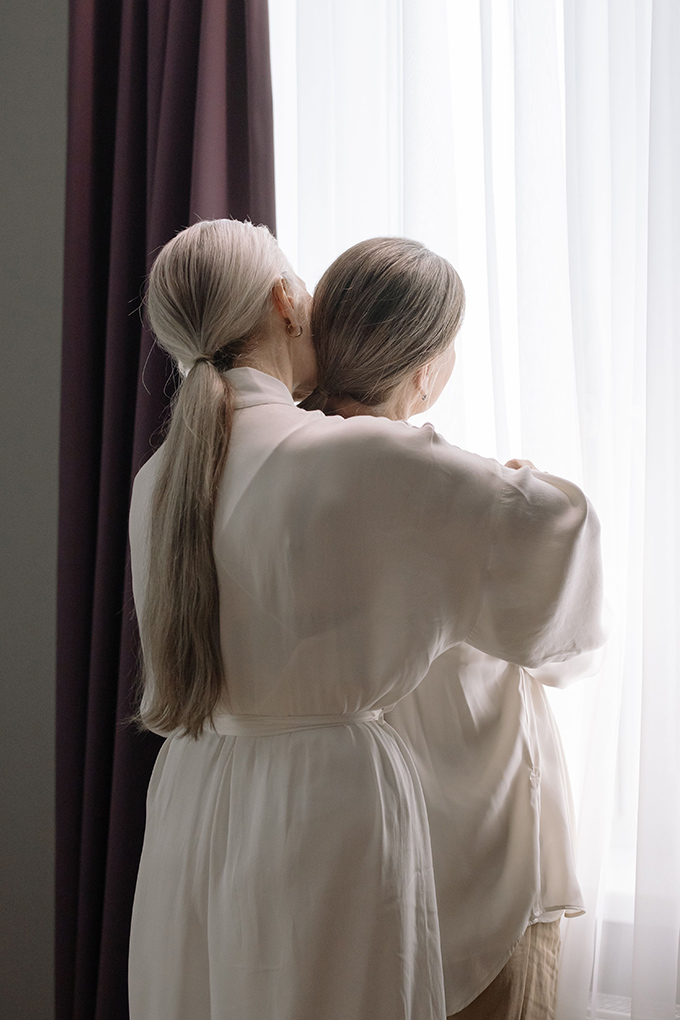
For women, age-related pressure can manifest in a way that’s amplified by societal beauty standards that idealise youthfulness. “Ageing can feel like a countdown, with concerns about appearance, desirability and the way society perceives women at different life stages,” Dr Chow shares, also noting that expectations of milestones such as career success, marriage and motherhood can weigh heavily.
When is birthday anxiety a cause for concern?
While some discomfort surrounding birthdays can be common, it’s important to be aware of when this blurs into distress that impacts your daily life. Dr Chow notes that feelings of overwhelming anxiety, sadness or dread—rather than momentary discomfort—may indicate deeper emotional struggles. This can also manifest as a reliance on unhelpful coping mechanisms such as social withdrawal, avoidant behaviours and even substance abuse.
“When birthday anxiety starts interfering with wellbeing, relationships or self-worth, it may be worth exploring underlying concerns and seeking support,” she asserts.
How can we address these feelings?
According to Dr Chow, it’s important to try and understand where your birthday blues are stemming from. Is it ageing-related fears? Societal pressure? Past emotional pain? Though this can be confronting to unpack, “understanding the root helps us face it with more clarity.” Being aware of the anxiety’s source enables you to address it more specifically, whether through self-care or seeking professional help.
Additionally, setting boundaries around the day itself can help significantly. “Choosing a celebration that aligns with our needs can help set expectations,” shares Dr Chow. “Whether it’s a quiet reflection or a simple gathering, creating our own definition of what the day should be takes the pressure off. Take into account your preferences of what you find meaningful, fun or comfortable.”
View this post on Instagram
Lastly, Dr Chow says gently, prioritise self-compassion. “This can look like accepting ageing with grace and support for ourselves, honouring where we are in our life’s journey, reflecting on our growth, and limiting comparisons to others.”
Getting in touch with your inner child
As children, our birthdays are more likely to be a source of pure joy. “As children, birthdays are centred around simple pleasures and being celebrated for who you are,” Dr Chow says. How are we able to tap into this child-like sense of joy or reconnect with our inner child to experience our present experiences of birthdays?
“Inner child work can be a helpful practice,” Dr Chow says. “This involves engaging with the part of us that thrives on joy, spontaneity and connection.”
“Consider activities once loved or desired, whether it was playing a favourite game, enjoying a treat, or simply experiencing carefree moments. Recreating these experiences can help rekindle that childlike joy.”
Another shift, Dr Chow advises, is to change your point of focus, moving away from prioritising achievement and outcomes, to presence and openness in your experiences.
“Unlike adults, children don’t measure worth or experiences by accomplishments, but by their inherent value—’Did I enjoy this?'” says Dr Chow. “Give yourself time to be immersed in your birthday activities, focusing on the positive emotions, moments of calm, fun or connection. Choose to feel and savour these experiences, and try to catch and redirect yourself when you start to judge, compare or criticise.”
And, of course, no person is an island—as we grow older, social connections remain just as important as they were when we were children.
“Nurture meaningful social connections,” Dr Chow says. “Rather than those who pressure you, tell you what ‘should be’, or bring you down, spend time with those who offer you acceptance, support, and who uplift you.”