For years, choosing the right shade of foundation—or make-up in general—has been governed by an age-old adage: check the colour of your veins under the skin of your wrists. If they’re blue or purple, you have a cool undertone. Warm, if they’re green. If you can’t quite tell, then you probably have a neutral undertone and can get away with a little bit of everything. For most people, this rule of thumb has never steered them wrong—helping to narrow down everything from foundation to lipstick.
Those with olive skin, however, might find that searching for the right makeup can sometimes feel more like chasing a moving target than following a simple formula. The foundation that blended seamlessly in the department store lighting suddenly turns peachy by midday. That coveted glow-from-within rosy blush is now orange somehow. It seems that standard colour rules don’t apply. And after many disappointing purchases, it might be easy to conclude that your skin colouring is difficult to match.
@haley_kim_ here are 4 signs I realised I have olive undertones! It took me 20yrs 🥲 #oliveskin #oliveundertone #makeuptip #makeuphacks ♬ original sound – Haley Kim
In reality, the problem isn’t your complexion—it’s that olive skin has existed in the beauty industry’s blind spot for far too long. While make-up has traditionally been categorised into cool, warm and neutral undertones, olive skin doesn’t fit neatly into these moulds. Its distinctive green-grey quality manifests as a visible tinge that can influence how pigments are perceived on the skin. This is why some products appear different from how they look in the tube, pan or bottle when applied.
As more beauty enthusiasts with olive skin document their journeys to find the right make-up products, the once-overlooked complexion has come into the spotlight. Olive-specific shades, purple blushes and blue colour correctors have all entered the beauty lexicon. But amidst the product recommendations and viral hacks, what exactly is olive skin? We turned to three colour analysis experts to unpack the science behind this complexion and what you can do to let your skin’s natural hue shine.
Understanding olive skin
Even among experts, there’s no single definition for olive skin.
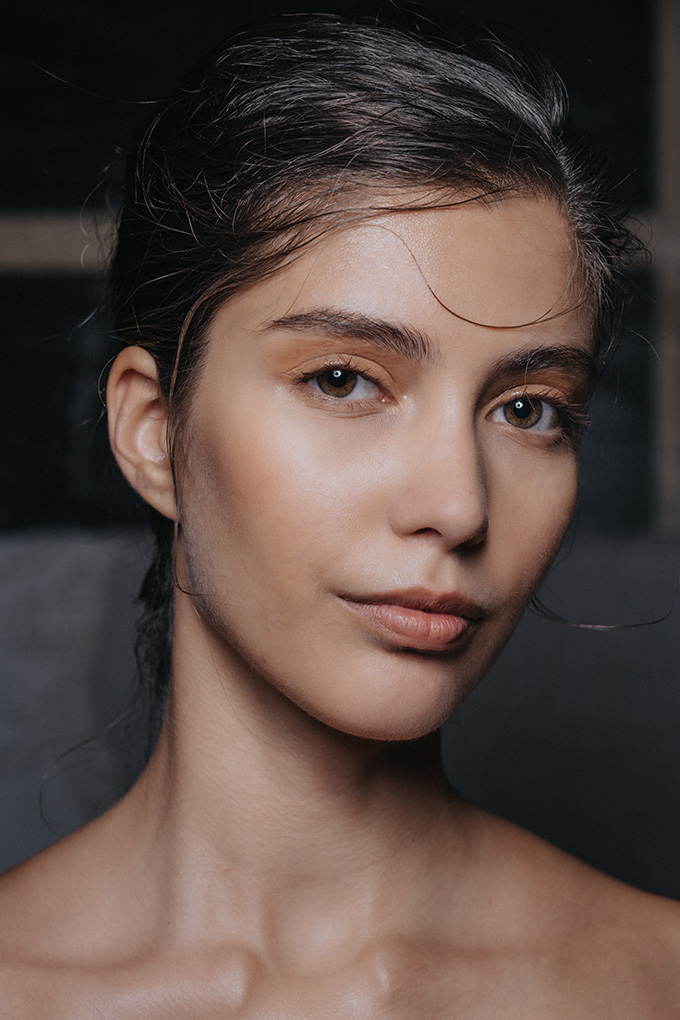
“From a colour analysis perspective, ‘olive skin’ is often one of the most misunderstood terms,” says Alethea Chung, founder of colour analysis studio, Code.d. While warm, cool and neutral refer to undertones, olive skin describes a visual characteristic of the skin. “Olive skin is typically recognised by a muted greenish, grey-green, or slightly earthy cast that we see on the surface of the skin. This appearance is created by the interaction between the skin’s underlying pigment and its surface colouring,” Alethea explains. As such, someone can have fair, medium, or deep skin with any one of the classic undertones and still exhibit olive characteristics.
View this post on Instagram
Hence, Alethea considers olive skin to be an overtone. Compared to the familiar undertone, which is the underlying colour characteristic of the skin that remains relatively unchanged with sun exposure or seasons, overtone refers to the colour we visually observe on the surface of the skin when we look in the mirror. While the term ‘overtone’ isn’t universally accepted in the colour analysis industry, Alethea believes it to be an important component in how the colours we wear interact with skin’s surface. “We don’t walk around showing only our undertone but our entire face, including the current skin surface,” Alethea explains.
As for where olive skin’s distinctive muted green quality originates, founder & lead personal colour consultant of Colour by Kim, Carol Chung, says that a multitude of factors create this unique hue. Spoiler alert—there’s no actual green pigment hiding under your skin. “Our skin gets its colour from a mix of melanin, haemoglobin and carotene. In olive skin, this mix settles into a balance that gives off a soft, greenish-grey hint,” she clarifies. “It’s this particular balance that softens the red and yellow that would otherwise come through, giving the skin a slightly cooler, quieter look.”
Why make-up seems to change colour
The interplay between skin colouring and colours is largely why those with olive skin might find that make-up shades look deceivingly different on the skin than they do in the original packaging. Founder and style consultant of Style Forth, Gwen Janelle Tan, says that this is because many formulations are built primarily around pink or peach undertones. “Colour is always affected by what surrounds and sits beneath it. The green component in olive skin creates contrast with pink, sometimes making it appear brighter, cooler or more purple than it looks in the packaging,” she elucidates. Another usual suspect, oxidation, can also make some foundations turn darker or more orange after application.
As pink may come across a little more noticeable on olive skin, finding the right lipstick shade proves to be a tricky affair. “Since lipstick sits within its own clearly defined area rather than blending into the surrounding skin, it can behave a bit more like two colours placed side by side than fully mixed, so the contrast—between pink and green—may show through rather than settle,” says Carol.
How to tell if you have olive skin
With olive skin becoming an increasingly popular topic online, Alethea says that many people assume they have an olive complexion when, in reality, they may simply have a warm, neutral, or yellow-looking complexion. “People frequently mistake tanning, hyperpigmentation, or a naturally yellow-looking complexion for olive skin. While these characteristics can influence how the skin appears, they don’t necessarily indicate an olive complexion,” she adds.
View this post on Instagram
Instead, a common telltale sign that you may have olive skin is that make-up doesn’t behave the way it’s expected to. For instance, a lipstick that looks soft pink in the tube may appear coral or orange on the lips, and a foundation that looks neutral in the bottle can suddenly pull pink, peach, or orange once applied to the skin. Based on consultations with clients, Alethea has also observed that those with true olive skin don’t respond to colour in the way traditional undertone advice would predict. Contrary to typical rules of thumb, those very warm or yellow in complexion may actually look fresher in slightly cooler colours because they visually balance, rather than emphasise the yellowness in the skin.
How to make the most of the make-up you already have
If you’ve surmised that you have olive skin, know that this doesn’t mean you have to overhaul your make-up arsenal. As olive skin is only one aspect of the skin’s colouring, it can suit many different palettes, says Alethea. Hence, it’s important not to rely solely on online advice touting ‘the best colours for olive skin’. Instead, focus on identifying the colours that make your complexion appear brighter, healthier and more balanced. Less sallow is the goal. This can be done through thorough observations of how different colours affect your overall appearance in natural lighting or a detailed personal colour analysis session.
When looking for lipsticks, terracotta or brick-toned shades give warmth without veering into peach or orange territory. To play up the eyes, go for bronze and copper eyeshadows. A few targeted tweaks here and there can also help you make the most of your existing beauty products. For a flawless base, colour correct before putting on foundation or set with colour correcting powders. Use complementary colours to offset specific areas—yellow for dullness or purple shadows and peach or pink for blue under-eyes. If your foundation is overly orange, a few drops of blue will help even things out.
For the newly initiated members of the olive skin club, don’t fret—we certainly wouldn’t leave you in the lurch. The Vogue Singapore beauty team has rounded up a few products to help your natural colour shine.