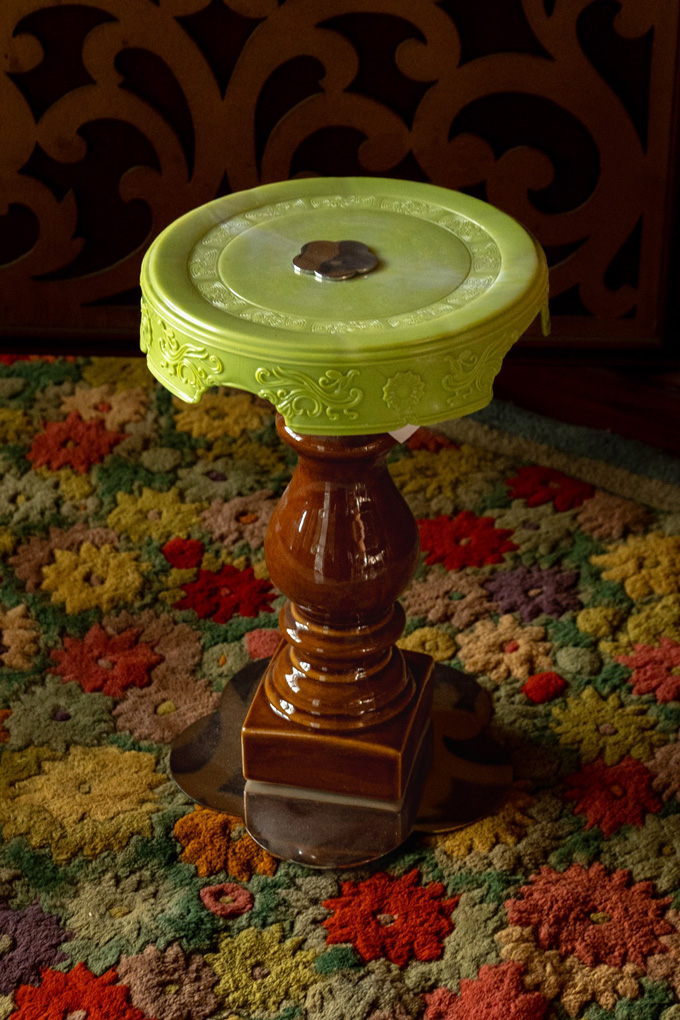
In a world where Pinterest-boarding can easily run amok, taste is more important than ever. Taste, as we know it, comes from understanding our own personal preferences, paired with a certain discernment of what truly brings us joy. Perhaps that is exactly why more people are turning towards nostalgia and comfort when it comes to designing their homes. After all, there is something deeply soothing about familiarity—about objects, textures and colours that tap into deep-seated memories, allowing something in us to slow down and unwind.
Increasingly, our homes have become more than just a place to live; it is now an extension of who we are, a reflection of personal history and emotional connection. In that sense, nostalgia in design goes beyond aesthetics. It is not simply about recreating the past, but about reinterpreting it in ways that feel intimate and thoughtful. Whether through vintage materials, cultural references or forms that speak of bygone eras, these pieces evoke an emotional resonance that purely trend-driven designs typically cannot.
It comes as no surprise then, that nostalgic furniture and design brands have been gaining traction across Asia, with more homeowners embracing the visual languages of eras past. Nostalgic furniture can often draw inspiration from culture, artistic movements or even distant childhood memories. Yet, it’s key to note that this resurgence is not merely a shift in design preferences. It reflects a collective inclination towards comfort, and reveals just how much of our personal tastes are often shaped by memory, sentiment and individual history.
Here, discover five furniture and home living brands that are bringing nostalgia to the fore of interior design. From Rumbá Bor’s candy-coloured stools inspired by casual street-side dining experiences to Fict Studio’s homage to traditional Korean mother-of-pearl handicraft, Asia’s furniture landscape is teeming with history.

1 / 5
Rumbá Bor
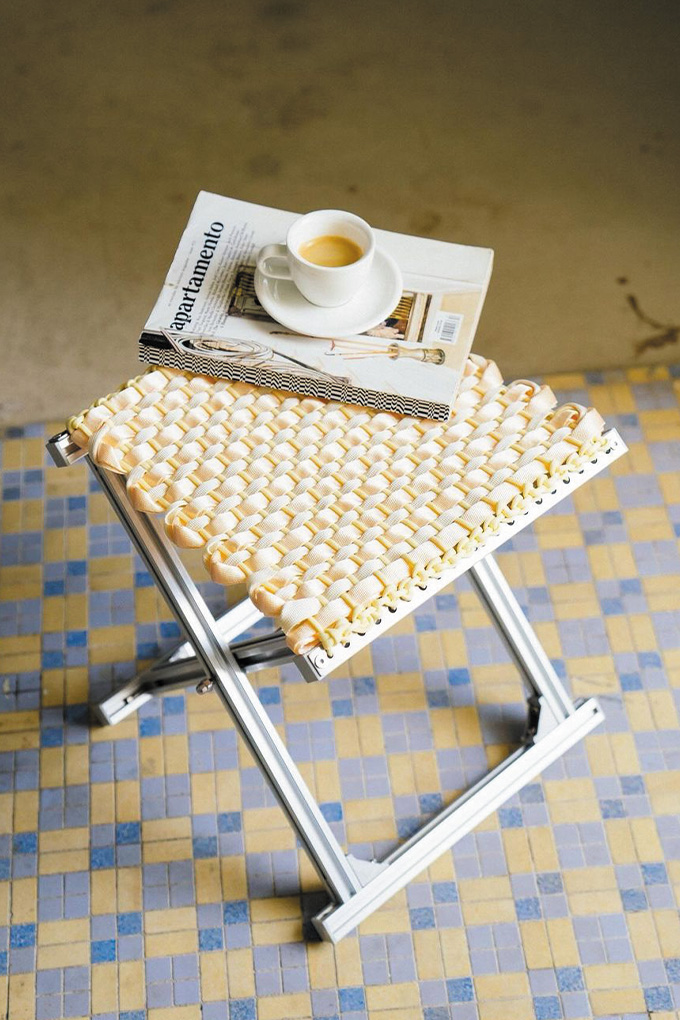
In late 2023, Thai curator and designer Rumpa Paweenpongpat found herself drawn to a simple PVC stool mould. You know the kind: lightweight, compact and commonplace at East Asian gatherings and roadside food establishments. That singular object became a fixation for Paweenpongpat and her brand, Rumbá Bor, inspiring her to create playful reinterpretations of the chair with a contemporary twist.
Crafted in vibrant colourways inspired by Thailand and the wider East Asian region, the Choei stools combine Chinese Art Deco design elements with delicate floral embellishments. Among the standout pieces in the brand’s lineup are the Look Choop stools, which take cues from the traditional Thai sweet treat made from mung bean coated in colourful agar-agar.

2 / 5
Chacko Shop
Inspired by the layered and multitudinous history of India, Chacko Shop is a Mumbai-based furniture and design studio that brings together ornate woodworking and vintage architectural flair. Founded by Vipin Joe, the brand frequently draws from the flora and fauna of the Indian subcontinent, while also referencing regional influences from places such as Tanjore and Madras.
Rendered through multiple wood varieties, Chacko Shop’s pieces emphasise intentional linework and intricate craftsmanship, often infused with Art Deco-inspired details. Collaboration also plays a key role in Joe’s practice, with many of the brand’s pieces coming to life through the contributions of creatives from around the world.

3 / 5
Fict Studio
An homage to the traditional Korean craft of najeonchilgi—the intricate art of inlaying precious shells (like mother of pearl, for instance) onto furniture and lacquerware—the Nacre series by Korea’s Fict Studio is rooted in heritage and craftsmanship. This decorative art form dates back more than 2,000 years and continues to hold its place today as one of the country’s most distinguished artistic traditions.
Founded by Heakyoung Jang in 2016, Fict Studio reimagines this age-old practice through modern furniture and objects, including trays, side tables and collectible wall sculptures. Beyond Jang’s commitment to najeonchilgi, the designer also works with stone fragments to create one-of-a-kind pieces that merge cultural preservation with contemporary artistry.

4 / 5
Made Block
For many Singaporeans, the playgrounds of yesteryear remain some of the most vivid symbols of childhood nostalgia. But none of them are arguably more distinct than the Dragon Playground in Toa Payoh, which has since become one of the nation’s most recognisable landmarks. Its mosaic-tiled form speaks to a visual language that has long been woven into multiple facets of Asia’s artistic culture.
Now, Singapore-based design studio Made Block is celebrating that same craft through its handmade tile furniture and home living pieces. Smaller objects of desire, such as trays and coasters, bring a lively pop of colour into the home, while larger pieces like plinths and side tables inject spaces with a distinct sense of personality.

5 / 5
Natsumi Noda
Japanese artist Natsumi Noda brings meaning to each piece of tableware she creates. Her work is inspired by the Japanese term shitamachi, which refers to “the culture of the working class” and is most often associated with the Edo period.
Culturally, shitamachi evokes a sense of nostalgia and retro charm—narrow alleyways, artisanal craftsmanship and neighbourhood workshops. That spirit, ultimately grounded in community and everyday beauty, is translated into Noda’s handmade ceramic dining pieces. Featuring hand-painted botanical motifs, each work is designed to spark meaningful conversation during every meal. No pattern is ever repeated, giving every piece a singular quality, enhanced by bright hues and tactile finishes.