There’s no feeling quite like receiving the keys to your new home. Perhaps it’s a lifelong dream now achieved, or a new milestone in your defining decade. For others, it signals a pivotal shift as you make room for family additions. There’s no doubt: a new home marks a new chapter.
A home is more than a house. It’s a nook that holds much more than the furniture that occupies it– a place of safety, security and ease. As the walls memorise the rhythms of your daily routine, it’s imperative that the space does more than provide room. A home that works around your life is one that is well worth living in.
View this post on Instagram
That’s easier said than done, however. The game plan for renovating a new home can be an arduous journey, with endless questions to answer and unexpected obstacles to overcome along the way. Here in Singapore, one is often met with the common yet daunting task of optimising a compact layout. An initial consultation with experts may bring a bout of worry and the tedious process can stretch out longer than expected. It just may dull the exciting prospect of owning a home to call yours. However, the beauty of design is a glimmering hope in the convoluted sea of renovation. Optimising use of colour, texture and even furniture can go a long way in turning your house into a home.
Here, Vogue Singapore speaks to design practice Bud Studio, mavens in interior design and build. Founder Justin Mok shares his tips on maximising a smaller home and the key considerations before starting the renovation process.
What are some important things to consider when optimising a small space for a new home?
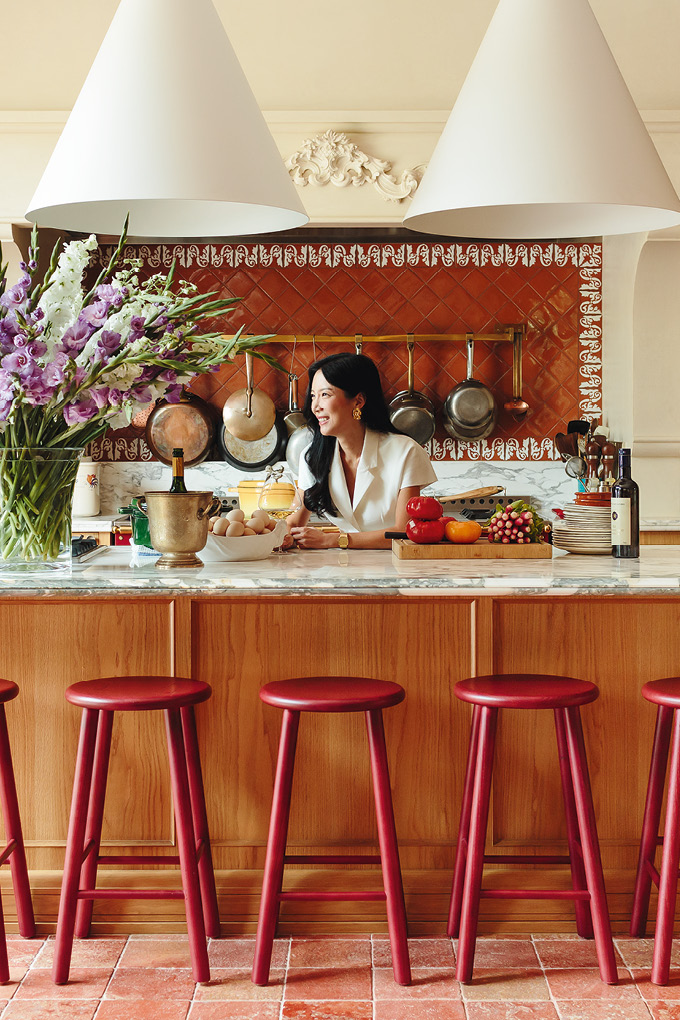
In the context of a smaller home, limited space requires us to think carefully about how different areas can blend together and serve more than its original purpose. One effective example is the relationship between the kitchen and dining areas, which naturally complement each other. By incorporating modular furniture or built-in fixtures, we’re able to maximise efficiency and incorporate more than its singular, original function into the same footprint. This ensures you get more use of the space without feeling constrained.
View this post on Instagram
What may new homeowners underestimate when it comes to renovating their homes?
They often underestimate the sheer number of decisions needed to be made within a short period of time. In “small-space” renovations, which typically take two to three months, depending on its complexity, these decisions carry significant weight as they influence the shape of everyday life in your home directly. Many homeowners experience decision fatigue by the project’s halfway mark, losing focus or interest. It’s a tedious process, but one that is worth investing into.
What are some impactful ways to optimise space?
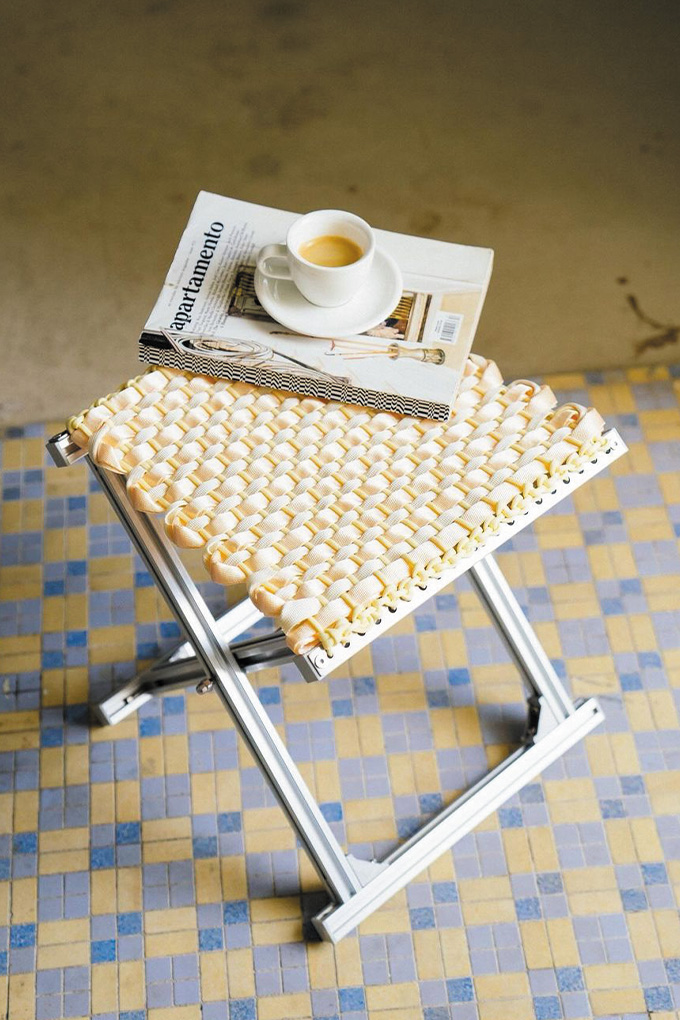
Choosing furniture that are designed with modularity in mind. These pieces can offer multiple functions, allowing you to transform your space appropriately when the need arises without sacrificing space.
How could one add personal style and depth to their home while still prioritising storage space and versatility?
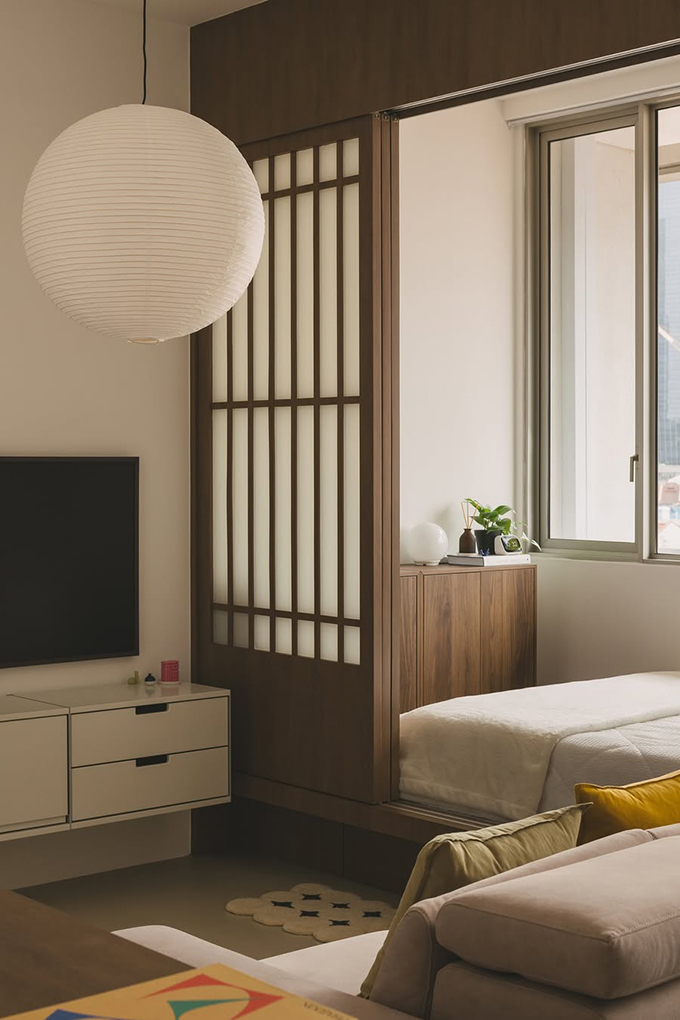
Something to keep in mind is to design your home contextually, rather than thematically. Many homeowners get inspiration from popular design styles and methodologies like mid-century modern, Art Deco, Japandi, etc. Incorporating these elements should be a response to the existing conditions within your interior space, rather than replicating its entirety into your home. While beautiful, it might not be appropriate for your space–the existing architecture may not be suitable for these concepts and may even contradict the build of the space.
Instead, create a narrative that reflects your daily life and use that as a foundation for design decisions. An organised approach with the purpose of creating a basis for design, like colour and material palettes, ground the process with purpose. It would be easier for you to incorporate your own style this way.
View this post on Instagram
How do different elements like colour, shape, light, material and texture influence the perception and use of space?
Building different colours for your home can change the perception of your space visually. Where darker tones compress, lighter ones expand. Creating a colour contrast could also spotlight emphasis on certain objects or spaces. Shape and form are the building blocks of design, and can encourage continuity or flow between spaces. Longer, rectilinear spaces add a layer of depth. It’s best to let the material speak for itself. Elements naturally tell a story through its organic grain or patterns. Another important point for consideration is lighting. A home that is not well planned for lighting may look flat. A well-lit home uses a variety of different light sources–from down lights and up lights to cove lights–to create different ambiences throughout the home.
What are some tips or solutions for optimising space in existing homes?
Creating lists are key when starting your home-building process. Listing down the range of functions you’d like to implement and the experiences you’d like to have within your home creates a realistic vision of the space. Studying the existing conditions of the interiors also aids your decision making in the design language you’d like to adopt, ensuring harmony between the elements and the space.