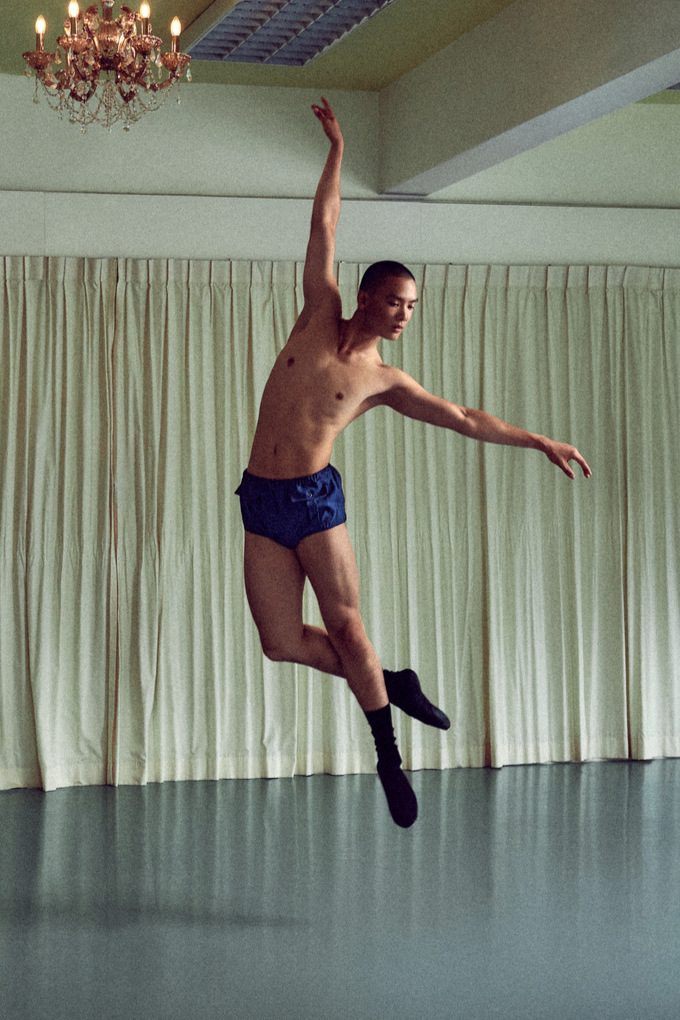
At just 18 years old, Leo Cheng has already reached a milestone few dancers achieve so early. Having recently competed at the Prix de Lausanne, one of ballet’s most prestigious international competitions, he was also offered a scholarship opportunity that placed him at a crossroads between immediate artistic momentum and a different form of commitment.
“I want to stay disciplined, hungry and passionate every step of the way,” he says, a mindset reflected in his decision to enlist for National Service while continuing to prepare for his return to ballet not only physically but mentally. A difficult choice to some, yet for Cheng, the decision came naturally. “Serving Singapore is a duty I take pride in and I didn’t want to miss that chance to contribute.”
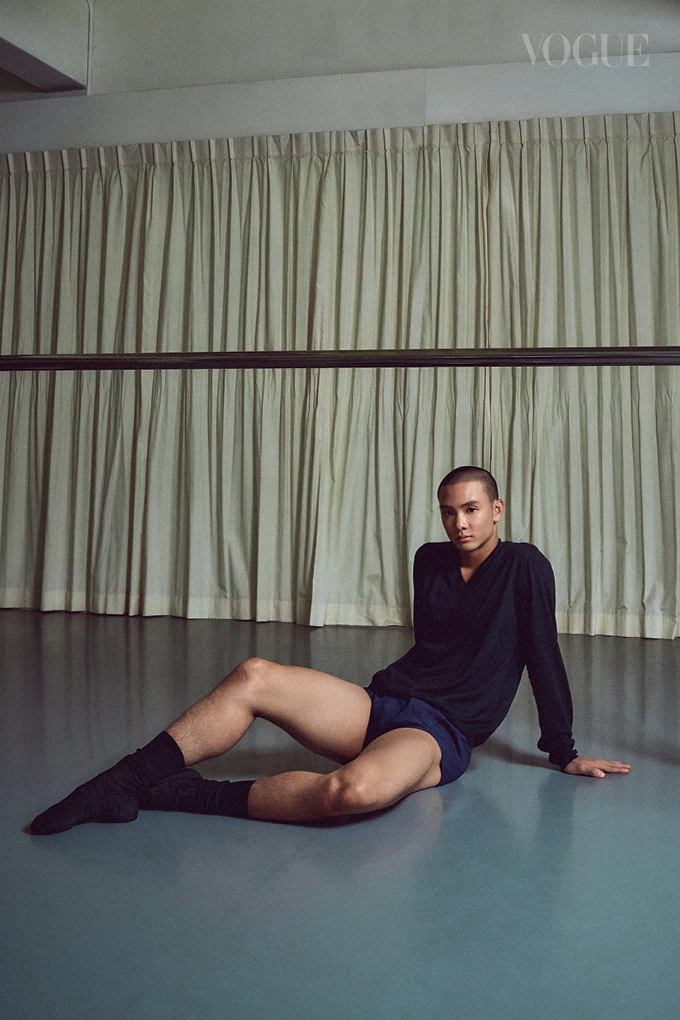
That sense of discipline was shaped early on, especially with performance being a part of Cheng’s world from the beginning. “It felt natural,” he shares. “Ballet was part of everyday life. I grew up in the studio, watching rehearsals and classes, and absorbing the discipline and passion from my parents.” Growing up in that environment meant understanding early on the work that sits behind the craft. That familiarity gradually evolved into personal commitment as he progressed through training. “I realised it when I began training more seriously and genuinely enjoyed the discipline and daily challenge,” he explains. “Performing on stage made it even clearer. I felt at home there.”
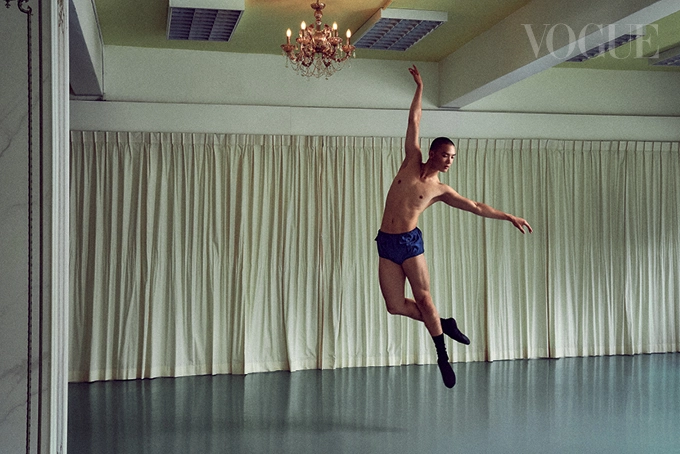
His development later extended overseas, where a more competitive environment demanded greater independence and a deeper sense of personal responsibility. “Moving overseas at a young age was both exciting and overwhelming,” Cheng says, reflecting on the challenge of adjusting to a new culture while being away from family. The shift required him to adapt quickly, both within and beyond the familiar routine as expectations rose. “The training environment was more intense and competitive, which pushed me mentally and physically.” Over time, that experience sharpened his approach to the work. “Training abroad made me much more self-disciplined and accountable. I became more focused, consistent and intentional in every class and rehearsal.”
Experiences at competitions such as the Prix de Lausanne have also shaped how Cheng approaches pressure. “You have one chance on stage, so you learn to trust your preparation,” he says. “I realised nerves are normal. It’s about channelling them into performance.” Looking ahead, he recognises that returning to peak form will demand more than physical readiness. “But the real challenge is mental: demanding excellence from yourself even when it’s uncomfortable. That’s where growth happens.”
“But the real challenge is mental: demanding excellence from yourself even when it’s uncomfortable. That’s where growth happens.”
Cheng’s reflections also speak to ballet’s place in shaping the cultural arts landscape for centuries, extending far beyond the stage. “It is one of the core forms of art and it’s historically significant and important to us,” he shares. “Ballet is an art form where your body, mind and emotions merge into one and create movements that express anything one feels.” Like many dancers, Cheng sees that significance as personal too. “I see ballet as something that has helped me understand who I am and to show my art to the world.”
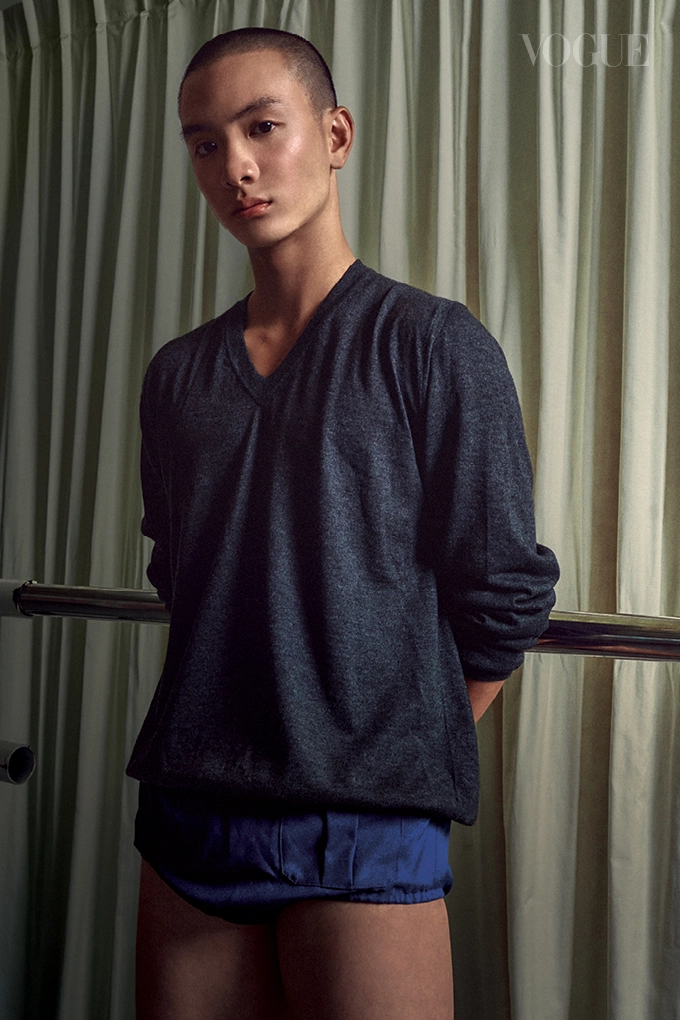
As he continues navigating this chapter, his ambitions remain grounded in his ballet practice. “I hope to become a dancer who combines technical precision with deep artistry. Someone who tells stories on stage and moves audiences emotionally,” he says. For now, that commitment continues through steady preparation. “During National Service, I plan to maintain my fitness and technique by making the most of the book-outs.”
Photographer Danial Mirza
Stylist Lance Aeron
Make-up Sarah Tan
Photographer’s assistant Rayern Heng
Stylist’s assistant Shavita d/o Rajendran
Special thanks to Cheng Ballet Academy