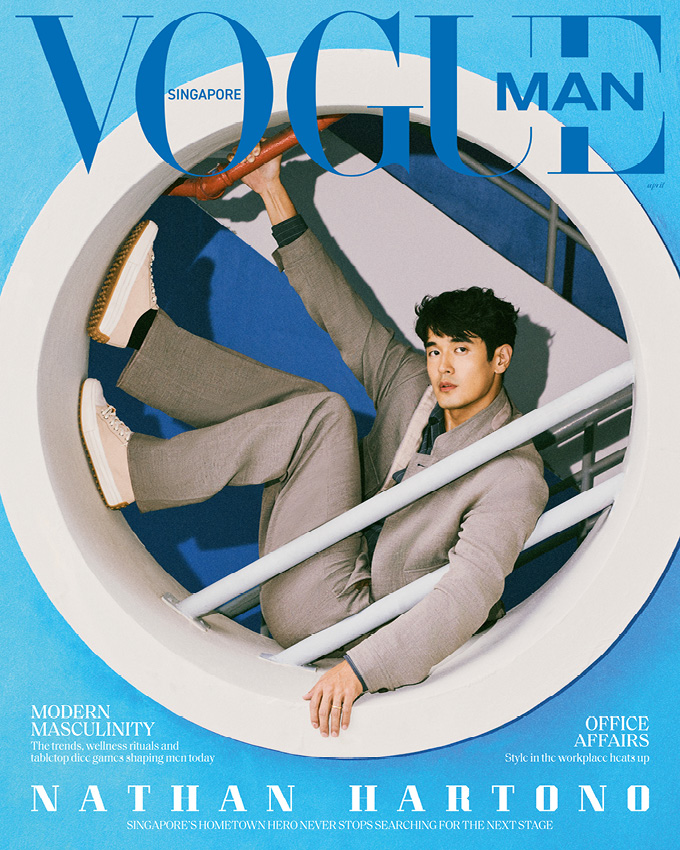
Nathan Hartono is one of Singapore’s most brightly shining musical stars. Over 20 years later, he’s still going stronger than ever, his multi-talented moxie continuing to prove it’s the real deal. In many ways, he fulfills all the criteria required to cinch that most coveted of reputations as ‘your favourite artist’s favourite artist‘.
On the personality front, he is naturally charming and down-to-earth, bridging cultural barriers like some kind of wunderkind poster child of Singaporean diversity. He was born to Chinese-Indonesian parents, so perhaps this easygoing attitude is in his blood. In a country as small as Singapore, it certainly helps.
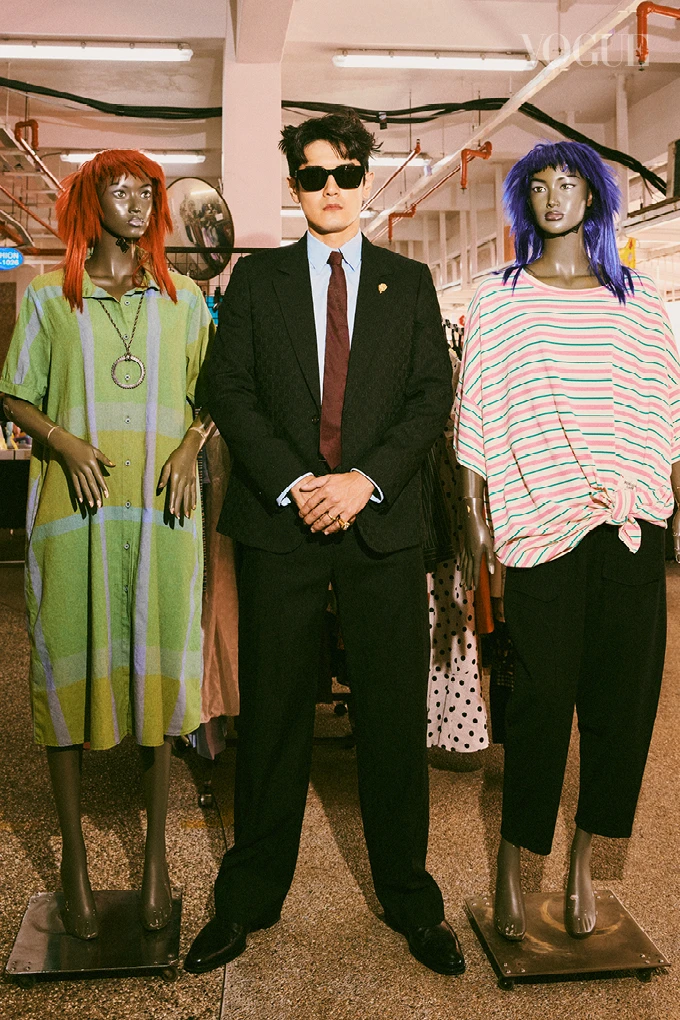
Success in the entertainment industry here means that you will inevitably rub shoulders with all sorts, so it pays to avoid being difficult. The less of a diva you are, the longer (and stronger) the legs you have to survive the marathon that is navigating a career in music. And on that front, Hartono’s pedigree boasts nothing but spades.
His breakthrough debut in 2005 winning the singing competition, Teenage Icon, was a prescient milestone. The then-14-year-old displayed a musical talent that belied his youth and which has only blossomed over time. In fact, just one year after his win, he put out his first full-length record, Let Me Sing! Life, Love & All That Jazz, which topped HMV Singapore’s Jazz Chart for two consecutive weeks.
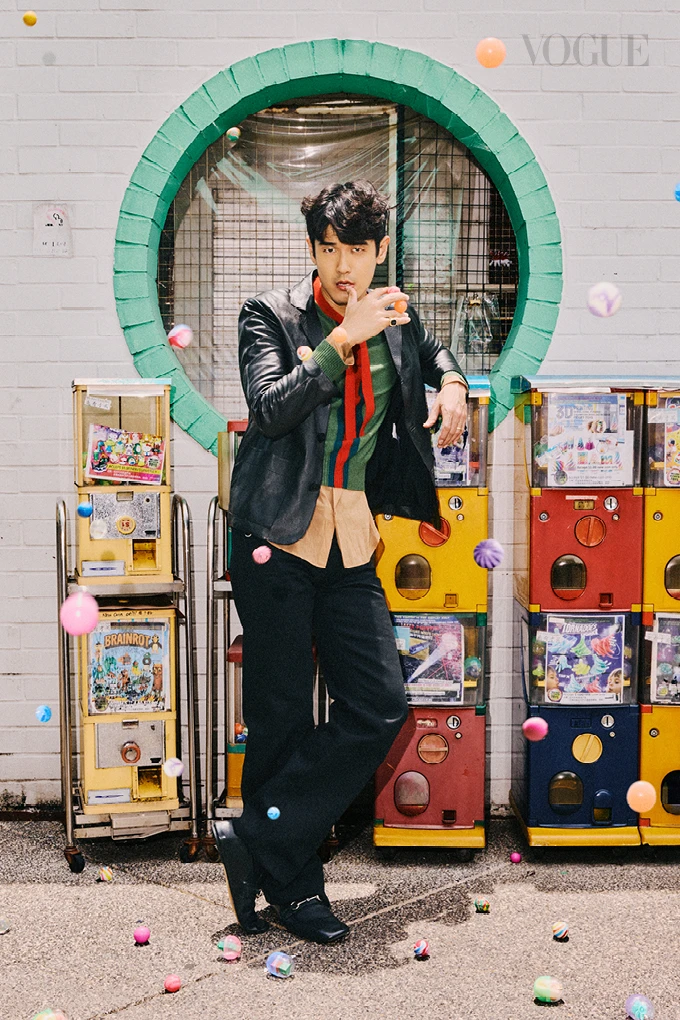
Since then, he has cultivated a discography that has reached across borders to win the hearts and minds of listeners in both Indonesia and China. He released multiple hit songs in Indonesian under Aquarius Musikindo, endearing himself to the land of his ancestors; and did his home country proud by netting second place in the popular singing competition, Sing! China.
Sometimes it can be easier to be a one-hit-wonder than to mature like fine wine, particularly in today’s social-media-driven reality. Thankfully, at home and abroad—across music, film and television, and even theatre—Hartono’s star continues to shine.
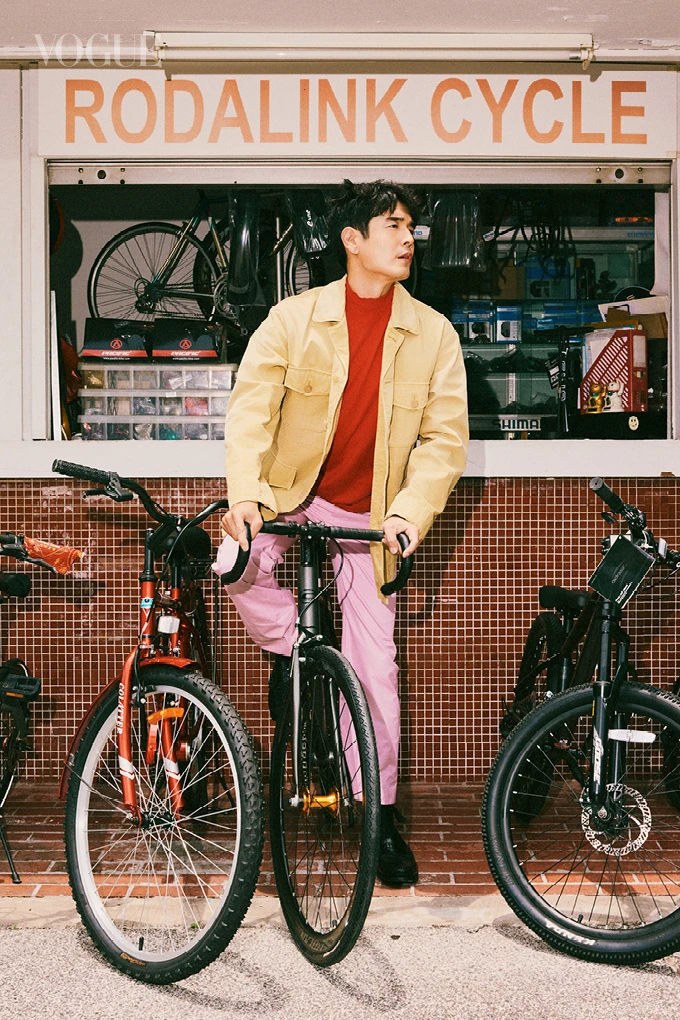
The artist’s creative appetite seemingly knows no bounds, with 2026 looking to be a year for the books. He has new music brewing in his back pocket and a role in an upcoming film in his front. Meanwhile, Hartono is staying true to his roots as a local creative, grounding community work in the form of theatre productions and even monthly choir sessions, all while enjoying his status as a newlywed. So as this hometown hero enters the next season of his life, he is embracing his future the only way he knows how, by jumping feet first.
After performing helped your breakthrough in 2005, you quickly embraced songwriting. To this day, the two are your bread and butter. How has your approach to juggling both evolved over the years?
I don’t see it as juggling. To me, it’s just shining lights on different aspects of the same artistry. I have an insatiable curiosity towards all these different sides, and am still learning more and more every day. And as I evolve, I try to find the intersection between them. I want to work towards merging the worlds of being a recording artist, songwriter and theatre performer.
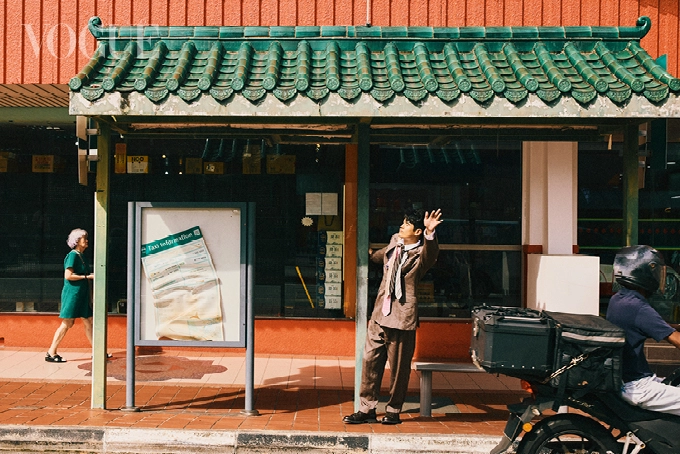
Social media has drastically changed the DNA of how music is carried out, from the ritual of performing to talent scouting. As someone who got his start way before all of this, how have you adapted to these changes?
Poorly. I still barely exist on TikTok, haha! I love it though. I came up during the advent of social media, so putting myself onto new and mysterious platforms is somewhat old hat. I still remember having to convince my old management to open a YouTube account when it first started (I eventually had to go rogue and do it myself as they didn’t think it was worth pursuing).
I don’t love how it has made the news cycle move at warp speed compared to before. The consequence of is that everything feels disposable? But it’s undeniably the greatest equaliser for unheard voices to get a platform. So much of my audience has been made completely through over 15 years of social media. Without those platforms, many of my work collaborations wouldn’t have happened.
And a lot of income for local artists comes directly or indirectly from it. For creators, it can feel like this big, scary beast at times. But it’s also a magical portal to potential and opportunity. Today, more than ever, it’s still the best way to build a community of your own.
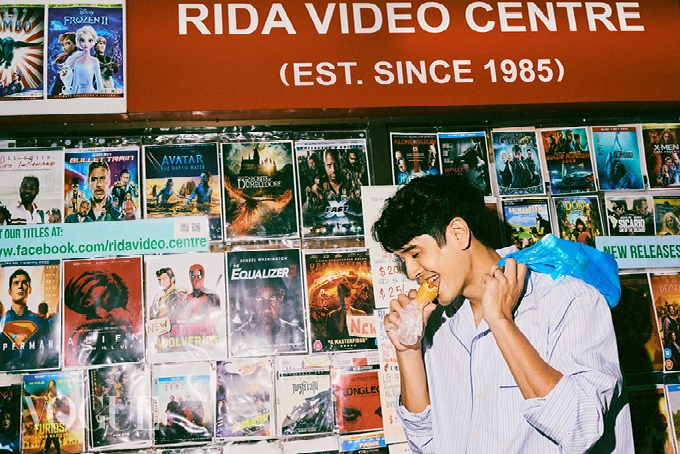
You studied music production and engineering at Berklee, a historic school to have as an alma mater. Does your education there still help inform your craft today?
Sorta, not really. To be honest, I never learnt much from the teachers or the syllabus. I think one’s mileage varies with Berklee as a school. But I did learn so much from the people around me, and that is what makes Berklee a worthwhile institution. I spent two years there and I didn’t graduate. But from those two years alone, I made a lot of lifelong friendships. It’s still so cool and crazy to me that I can go to most countries in the world and have a musical friend to reach out to. That’s a Berklee perk for sure.
Being there also taught me how to say yes more. I was having a lot of trouble the first couple of months in school because of my introverted nature. I had to make a conscious decision to come out of my shell and just dive in, and everything changed after that. I don’t think I’d be where I am today if I never learnt that lesson.
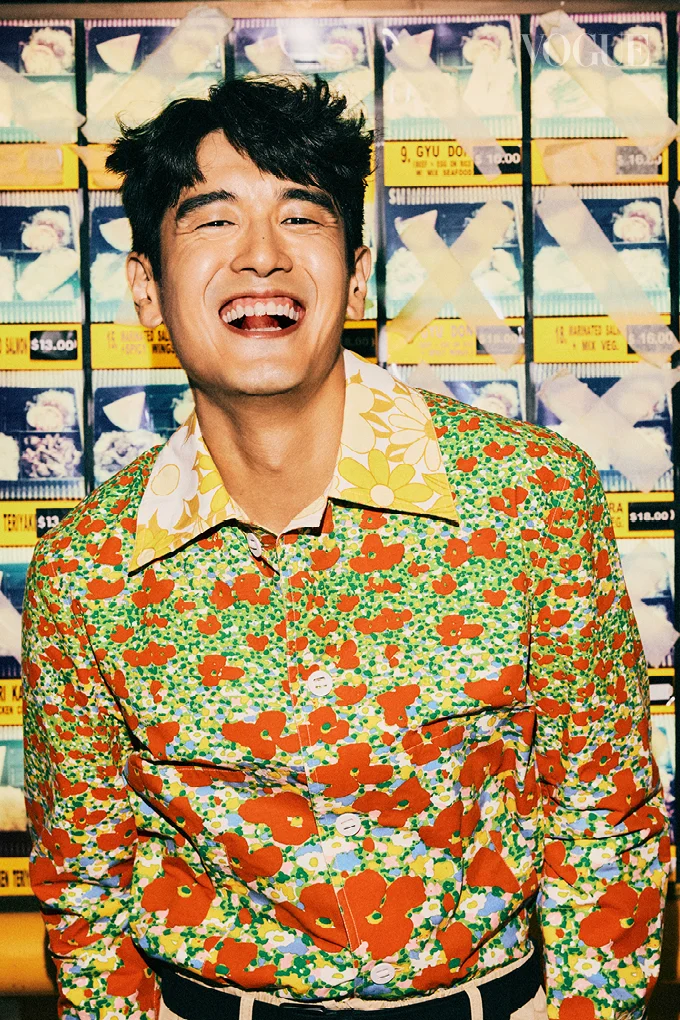
This country’s not known for being kind to creativity. What have you done to maintain and nurture your identity as a musician who is also a Singaporean?
This is a tricky and complicated topic, but the way I see it, two things can be true: Singapore is not a good place for nurturing and enabling artists, and Singapore has a lot of good art and good artists. So even though the former is true, I am still sane because of the latter. Doing art in Singapore can often feel like we’re screaming into a void. But at least we’re screaming together. And isn’t that what arts are all about—community?
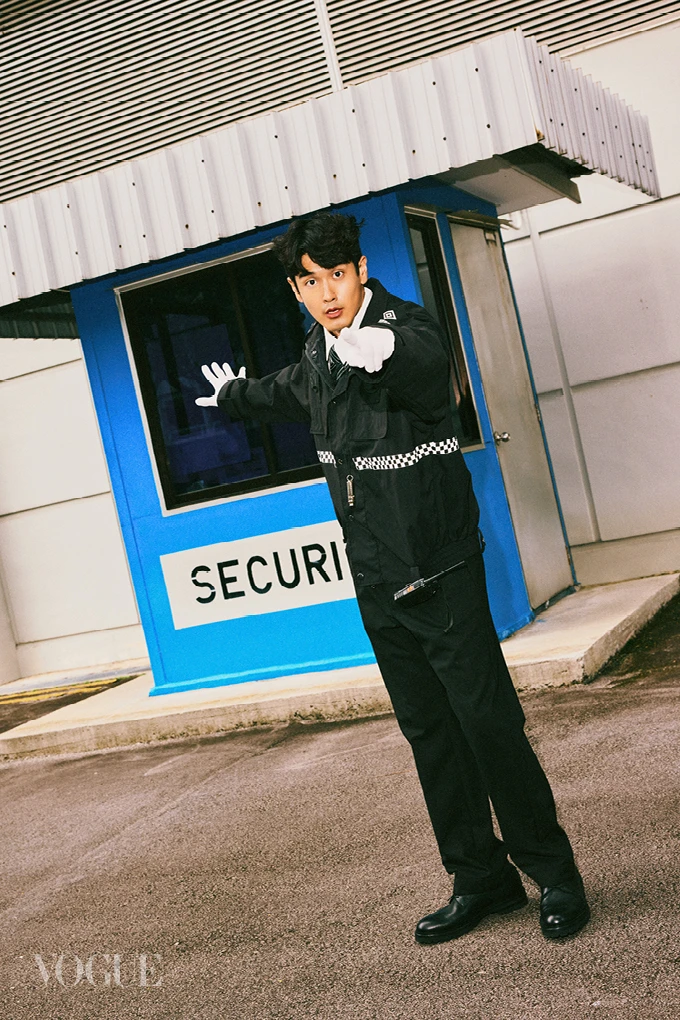
You have written and performed in English, Mandarin and Indonesian. Does your mental and emotional headspace change when creating music for different audiences?
Based on my experience performing and working in Indonesia and China, there is definitely a huge cultural difference between how both places work. Both have such well-oiled media machines, with absolutely giant industries compared to back here. But I prefer the pace of Indonesia. In terms of audience, things are rarely different. I feel like what resonates on a human level will always resonate regardless of culture.
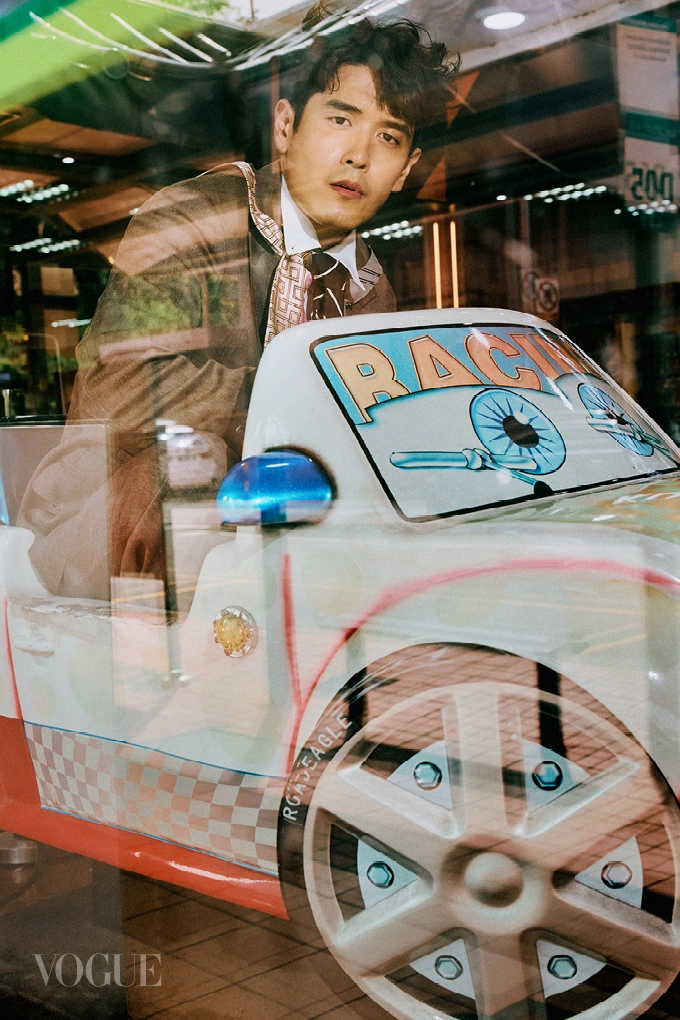
Some rapid-fire questions here: who are the top three artists inspiring your creativity today?
Let’s go local. Dru Chen: his discipline as an artist is truly aspirational. And he’s also so generous with cultivating the next generation of talent.
Inch Chua: her existence often convinces me that some people just have more hours in the day than the rest of us. That’s the only logical explanation behind the 10,320,973 things she does year after year.
Mila Bea: I don’t understand how she writes songs like that at her age. This is 100 percent professional jealousy and I am shaking my fist in the air right now.
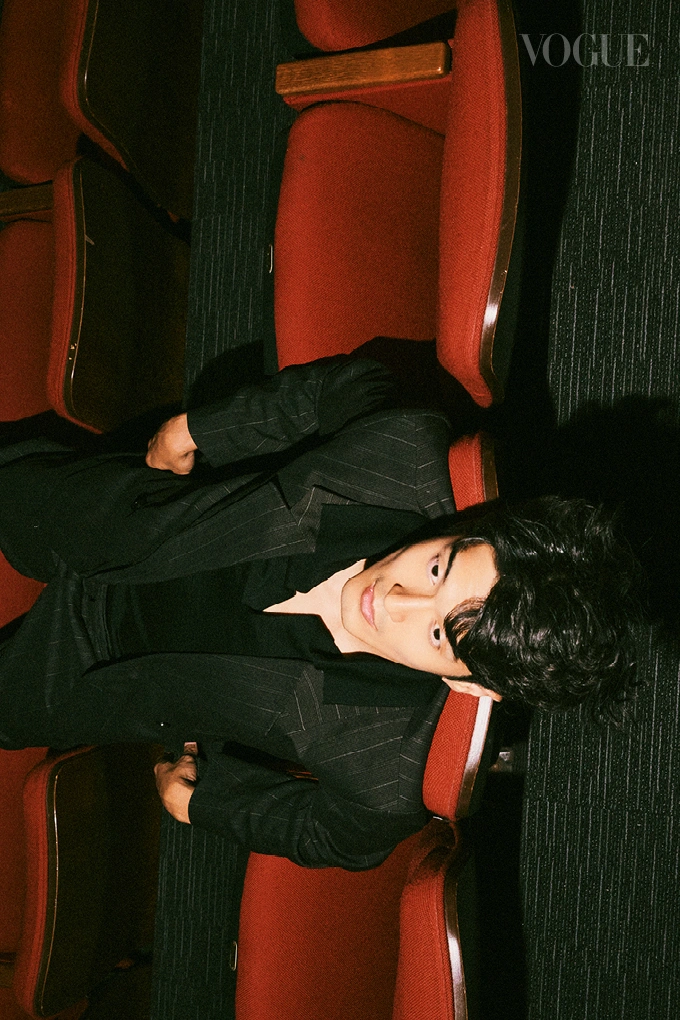
Is there an artist you haven’t collaborated with yet but hope to work with in the future?
Charlie Lim. Because Charlie Lim.
If you could pick anywhere in the world that you haven’t been to perform live, where would it be?
Africa! I am fascinated by every aspect of that continent. The musical roots within those cultures run so deep. I would love to experience them all.
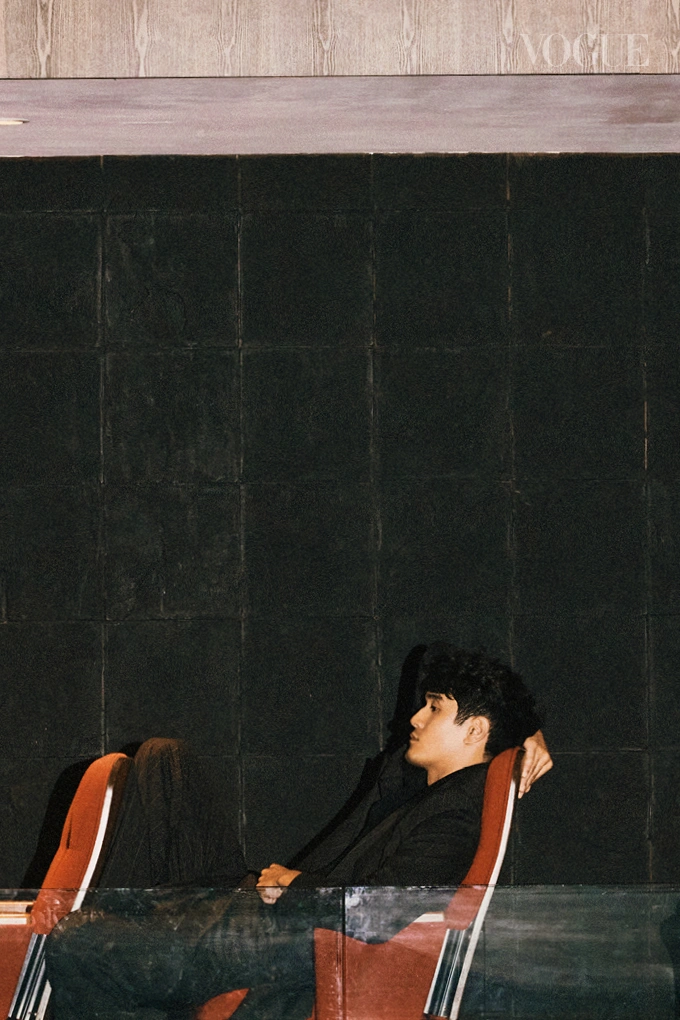
Speaking of people you haven’t worked with and places you haven’t been, what’s on the horizon for Nathan Hartono in 2026? Are there any new projects in the pipeline that you’re particularly excited about?
A handful of things! I am in a movie called The Sandbox coming out sometime this year. In my honest opinion, it’s a solid film, full of real laughs, and also very relevant to this topic of being an artist in Singapore. Go watch it when it’s out, please and thanks!
I am also involved in Inch Chua’s new one-woman show, Myles. How am I possibly involved in a one-woman show? Watch it to find out. And I run a monthly community choir session called ‘Sing Song Social Club’, with Aarika Lee, Sandra Riley Tang and Ben Kheng. Come down for a sesh, vibes, community and all that good stuff. For new music, that’ll be sometime in 2026. Keep an ear out.
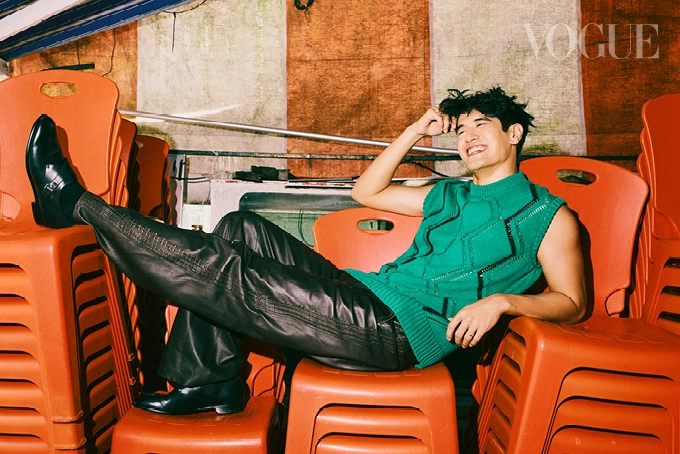
Of course, that’s not all that’s new in the world of Nathan Hartono. Congratulations for tying the knot in January! How are you navigating this next season of your life as a newlywed?
Married life has been interesting! On one hand, our inner lives remain mostly unchanged. Liz and I have been living together for three years now and have been together for nearly seven. Marriage was more of a necessary formality. But on the other hand, when we announced our marriage we were also essentially hard-launching our relationship. Neither of us found it important to be a public couple before all of this, so that’s probably been the biggest change. Having strangers asking me about Liz when it used to just be friends and family—I know she finds it weird. But we’ll get used to it. Next up, honeymoon!
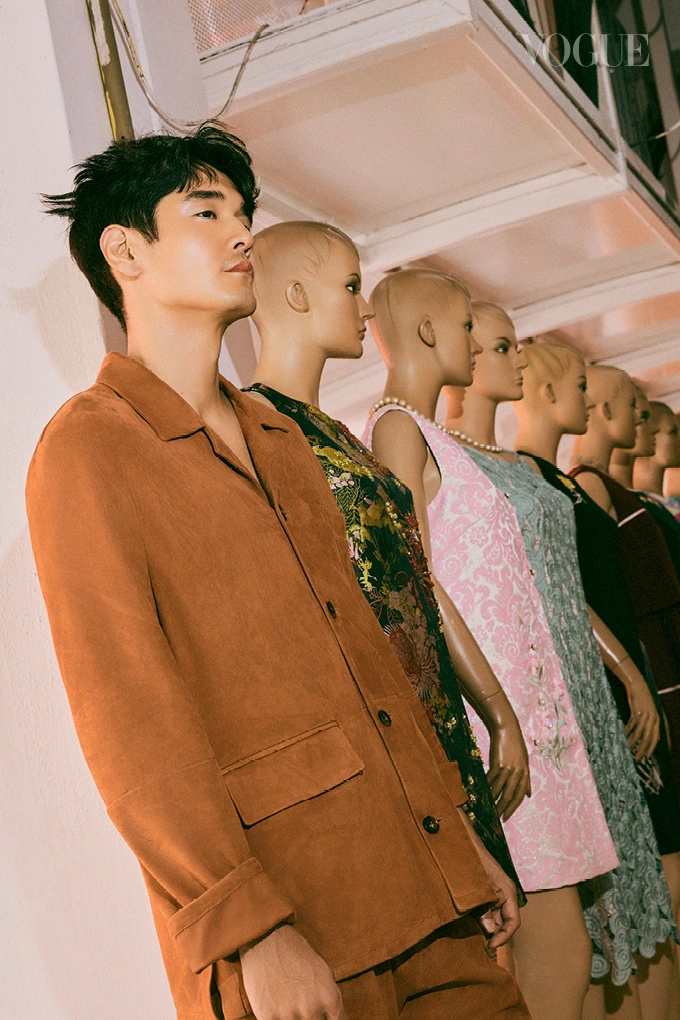
Photography Zantz Han
Photographer’s assistant Jaron Tay
Styling Nicholas See
Stylist’s assistants Alexis Teo and Lance Aeron
Hair and make-up Manisa Tan using Chanel Beauty and Revlon Professional
Art assistant Yang
Producers David Bay and Natalia Sienna
Special thanks Rida Video Centre, Rodalink Cycle, Singapore Repertory Theatre and 216 Coffee Shop
Pre-order your copy of the Vogue Man ‘Pursuit’ issue online or pick it up on newsstands from 15 April 2026.