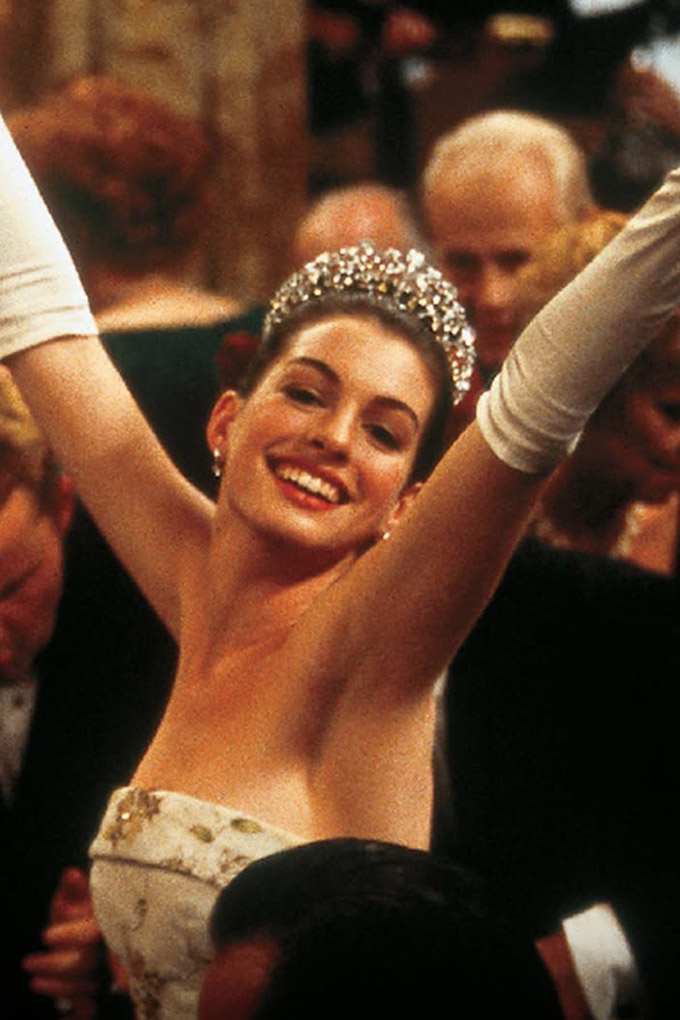
In The Princess Diaries, the young, awkward Mia Thermopolis undergoes an iconic makeover—Paolo takes this and this and gives us a princess. Growing up, I replayed that montage obsessively. Maybe it was Anne Hathaway’s uncanny ability to sell a before and after transformation. Or maybe it gave me a vicarious blueprint of a potential glow-up so dramatic it could rewrite my destiny. But more than anything, it promised that, with the right nudge, even the plainest Jane could become extraordinary. Transformation is always right around the corner, and anything can happen if you will it to.
It has been years since the film came out, but that idea lodged itself somewhere deep. Having reached my twenties, I’ve felt a growing distance from myself. Not in a dramatic way, but sometimes I find myself feeling a dissonance between who I am and who I really want to be. Catching my reflection in the mirror and sensing that something is off. There’s a persistent feeling that I haven’t yet become who my younger self imagined I would be. Instead, I find myself clinging to a version of me that has long since expired.
So when January arrived this year, it wasn’t about resolutions or naive optimism. The new year simply held up a mirror. I realised I didn’t want a tweak, I wanted a full overhaul. Not a fantasy version of myself, but a return to someone I could recognise. Enter: the rebrand. A buzzword that’s been taking over the Internet. To me, it signalled a holistic reset—less about stacking new habits or chasing shiny goals, and more about taking intentional strides toward the life I’ve always envisioned.

Resisting the performative rebrand
I had to ask myself: was I falling for yet another capitalist trap? 2026 has been hailed as the year of the rebrand, with people meticulously planning their glow-ups—curating Pinterest boards of ideal routines, upgrading wardrobes, habits, even personalities—all in the hope of arriving at a perfected version of themselves by a set date. Not to mention the onslaught of advertisements telling us how to become a new person. Buy the gym membership. Pick an aesthetic. Commit to a ten step skincare routine. Read twenty wise books. We are constantly given advice on how to become better and it’s easy to get swept up.
But deep down, I knew I was looking at uprooting things on a fundamental level. And this means I had to look back before I could move forward. I had to take stock of all my past resolutions or goals—and ask myself why they didn’t stick. I had to get uncomfortable.
Looking inwards
I had signed up for pilates classes every January, only to quit by February. I’d promised myself to journal every night, but weeks passed before I even opened the notebook. Patterns kept resurfacing, overcommitting to projects out of fear of missing out, saying yes when I should have said no, holding grudges over small slights, procrastinating on things I actually cared about.
Then begs the question: what has changed this time around? Is it coming from an internal pull toward growth, or does this desire to rebrand myself stem from comparison and pressure? Am I genuinely outgrowing my current self, or reacting to what I think I should be by now? Again, I retraced my steps. Some goals quietly fell apart—like swearing off sugar for better energy, only to demolish a chocolate bar two days later. I sought to wake up for morning walks to lower my cortisol levels, but ended up hitting snooze until noon. But there were the surprising wins too: rediscovering my love for writing or finally cutting out friendships that left me drained.
Mapping all of this out helped me see where the urge for reinvention truly came from: rooted in growth rather than dissatisfaction. It wasn’t about erasing myself and starting over, but recognising which parts no longer served me and giving myself the space to explore a different but evolving version of myself.
View this post on Instagram
Acceptance is the first step
Coming to terms with why I wanted to change was one thing, but the next step required willingness and grit. Real transformation means facing discomfort, letting go of stubborn lifestyle patterns and quite simply, trusting the process. Then came my internal audit. I looked at the small habits that were holding me back: scrolling endlessly on TikTok, jumping into side projects only to abandon them halfway, letting anxiety stop me from saying yes to opportunities I genuinely wanted, or letting self-doubt dictate what I thought I was capable of. It also meant celebrating small wins, like finally booking that trip to New York I’d been dreaming about since I was a teenager and learning how to say no—a big deal for a recovering people-pleaser.
View this post on Instagram
Mapping out the how
I approached my personal rebrand similar to the way brands do when they reinvent themselves. It doesn’t do to simply slap on a new logo or tweak a colour palette; it was about shedding outdated connotations, and meeting a fresh, evolved identity that feels current. For me, that meant removing what no longer served me: the clothes I never wear, quitting my addiction to revenge bedtime procrastination or old habits of overcommitting out of guilt. From there, I could redesign the habits and rituals that shape who I am—whilst being true to my current lifestyle. That means switching out impossible commitments like waking up before the sunrise for a walk to drinking green tea every morning instead. Or even allowing myself a sweet treat every once in a while instead of restricting myself from sugar completely.
So my rebrand was never about being someone else—or a promised version of myself from years ago. It’s about becoming the person I want to be today. A rebrand is holistic; it requires intention and patience. It’s not a fantasy that appears on the first of January, but a truer self that grows and unfolds over time. Mia’s own journey was never about the makeover montage alone. Just like she does in The Princess Diaries 2, there’s a lesson to be learned in stumbling about, making mistakes, and facing our feelings—before we can find our voice and embrace who we truly are. All it takes is a little honesty.