In Singapore, very little happens by accident. With extreme land constraints, erratic weather forecasts and humans as its biggest resource, its urban landscapes are, by necessity, rooted in design methodologies driven by functionality, productivity and performance. Yet a design-led society must also view the discipline from the other side of the fence—as a creative means of cultural expression and imagination.


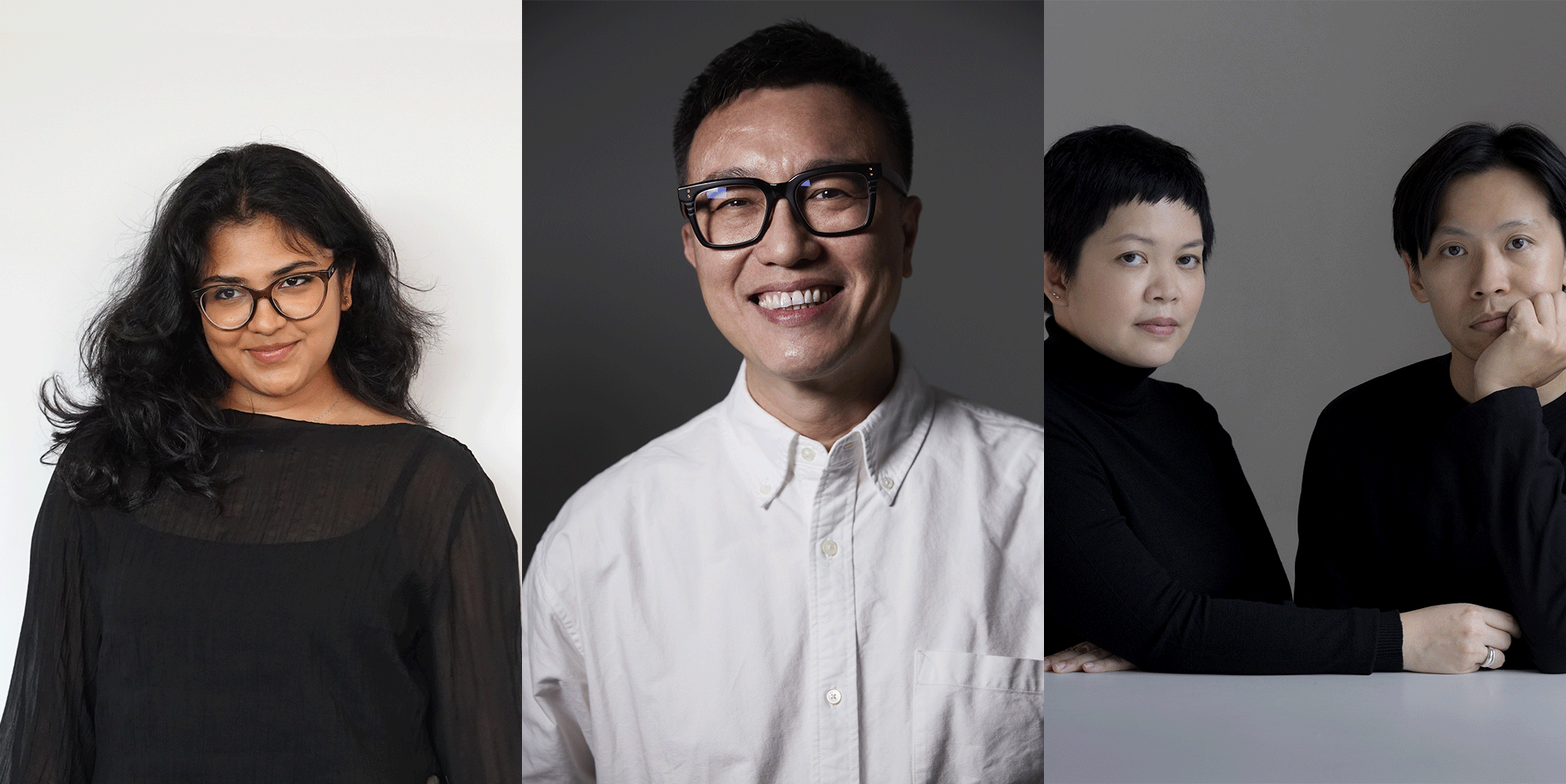
Timo Wong, one half of industrial and spatial design agency Studio Juju, believes that Singapore is design-aware and design-enabled, but perhaps not yet fully design-led, culturally. “Moving forward, it may be about using design not only to create economic value, but also to build cultural confidence, identity and shared aspirations.”
So where does the imaginative, ‘right brain’ side of design come into play? How does curiosity and creativity thrive in a landscape like this? After all, if Singapore-based designer Aditi Neti is to be believed, “being design-led means allowing design to shape the lived experience from the very beginning and valuing things like ambiguity or cultural nuance and experimentation.”
Graphic designer Larry Peh, founder and creative director of design studio &Larry, shares a similar view. He believes the country’s design landscape has yet to fully grasp the power of its ground-up material culture. “I think we are only beginning to recognise that our everyday visual culture, from multilingual signages and neighbourhood graphics to local habits and behaviours, is as valuable as the design references we often import from elsewhere. Design has always been one of Singapore’s strengths. The next step is learning to see ourselves as worthy subjects of design, not just consumers of it.”
The nation’s multicultural make-up is what gives the homegrown design scene such distinct character. As Wong explains: “Singapore design is not defined by a singular aesthetic tradition, but by its ability to synthesise diverse influences into new forms. As a young nation still shaping its cultural identity, Singapore’s design is multifaceted, adaptive and forward-looking.” But it is an uphill battle.
“Singapore has mastered design as infrastructure. The next challenge is design as culture.”
The pressure to be global-presenting and forward- thinking has led to a tendency towards surface-level design, where explorations of culture end at what the eye can see. “Rather than simplifying all these cultures into just its food or costumes and inherited symbols, maybe we can also look at its practices and lived experiences as well,” Neti observes.

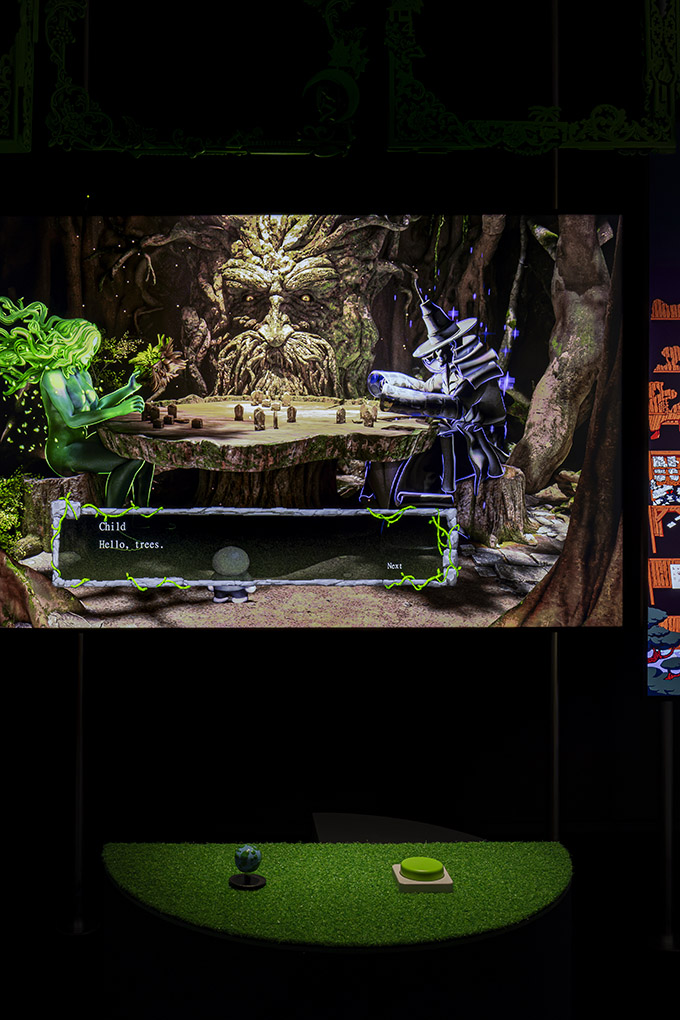
‘Of Curves and Hands’, her recent showcase at Milan Design Week 2026 as part of DesignSingapore’s exhibition Prototype Island, highlights this sentiment. It explores how traditional cultural practices, particularly South Indian kolam-making, can be re-interpreted through contemporary computational and mechanical systems without losing the embodied rituals that exist in the original practice. When it comes to design as a cultural practice, she says: “Perhaps Singaporean design can close the gap between lived experiences and perceived representation. The complexity of our respective rituals, connections, histories and everyday practices need to be prioritised.”


Layered cultural influences and a perpetual global outlook has led to a resounding tension within the Singaporean design identity. Where Germany is renowned for the Bauhaus art style and Paris is synonymous with Impressionism, what truly defines ‘Singaporean’ design? Wong argues that the most authentically Singaporean qualities are not visual at all, but are instead the values behind the visual motifs we produce. Virtues of pragmatism, innovation or order may come to mind. “These traits appear repeatedly across Singapore’s architecture, urban planning, product design and visual communication, even when the aesthetics themselves differ dramatically,” he notes. It’s clear the nation has a problem-solving ethic at its forefront, but perhaps that is where Singapore’s authenticity lies—necessity.
In Peh’s perspective, global influence plays a strong role in local design, but the elements that leave a lasting mark are works that lend inspiration from the city’s streets, neighbourhoods and daily rituals. A prevalent language that runs throughout the island is urban vernacular design: adaptations of objects and spaces that evolve as they’re constantly in use. You see them everywhere, from takeaway bags and community posters, to HDB void decks and playgrounds.


He points out: “These objects were never designed to be celebrated, yet they reveal who we are. To me, Singapore design is not a style. It is the continual adaptation of practical solutions shaped by local culture, habits and constraints.” Rather than a recognisable visual language, the nation’s identity may lie in how it reimagines the natural evolution of everyday life through design. After all, one cannot force authenticity; it must grow organically.
Wong believes that when communities are given space to evolve naturally, unique forms of expressions emerge. Neti and Peh echo this sentiment, as Neti highlights how consistently strong turnouts at creative events like art fairs or flea markets indicate a craving for opportunities for creative expression. Meanwhile, Peh hopes for a shift in the bigger design picture, from function to emotion. “Singapore has mastered design as infrastructure. The next challenge is design as culture,” he states.
The sweet spot, according to Neti, lies in taking a step back from hyper-optimisation and allowing the creativity of design to run free. “Maybe not every design outcome needs to be scalable and efficient. Some designers are also valuable simply because they make us think differently,” she suggests.
With rising living and business operational costs, the next generation of designers is more hesitant in pursuing independent ventures. While Wong understands that the widely accepted path of full-time employment is a sensible and comfortable route, he hopes to see a Singapore with more breathing room for risks, experimentation and ground-up initiatives.
“I want to see us embrace the good, the bad and the ugly parts of ourselves and transform them into meaningful expressions.” Indeed, it is the human spirit that matters. There are no doubts about what the discipline of design can do for a nation like Singapore. It has been instrumental in the city’s growth for the last 61 years. Its next chapter now lies in its capacity to encourage the beauty of mess, emotion and the risk of simply trying. As Peh puts it, the value of design is not only what it can measure, but ultimately what it can make us feel.
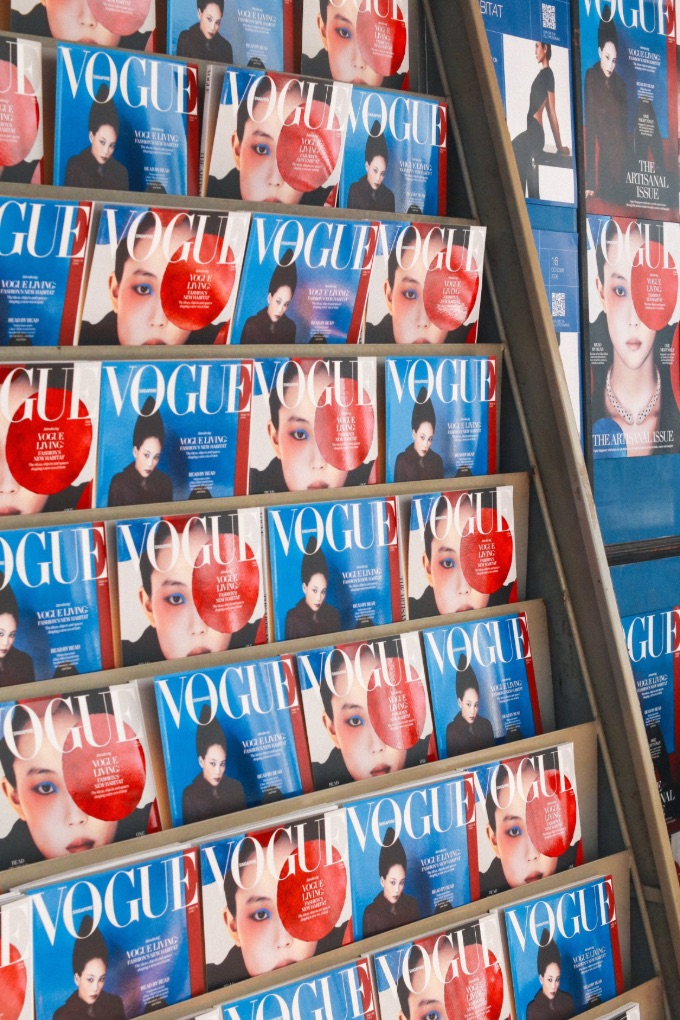
The July/August 2026 ‘Audacity’ edition of Vogue Singapore is available online and on newsstands.