There was a lot to take in across BRI JF3 Fashion Festival 2026, held from 22 to 29 July at Summarecon Mall Kelapa Gading, its 22nd edition brought more than 50 Indonesian and international designers and brands onto the schedule under the theme Recrafted: Shaping the Future. Yet after spending the week between shows and presentations, what stood out most was how much JF3 itself has evolved over the years.
We saw that most clearly through the Pintu incubator, the Indonesia-France bilateral programme initiated by JF3, Lakon Indonesia and the French Embassy through the Institut Français d’Indonésie (IFI), which followed its runway presentations with a dedicated re-see from Pintu residents where we could get much closer to the work itself. Lakon Store offered another perspective, bringing several of the Indonesian labels it stocks onto the JF3 runway and showing how that support continues once the show is over. The Indonesian designers themselves made up another big part of the week for us, especially the ones who arrived with a very specific point of view. Tities Sapoetra went all in on vibrant shades and beadwork, while Amot Syamsuri Muda worked old fabrics from his family home through the heightened glamour of New Romantic dressing.
Lakon Indonesia eventually brought JF3 to a close with Harsa, a dynamic show of deluxe daily wear pieces set against rainbow-coloured tiles which quickly turned into a surprise re-see—a show that most definitely stuck with us long after. Here, we look back at five of the moments that stood out from JF3 2026.
Inside Lakon store

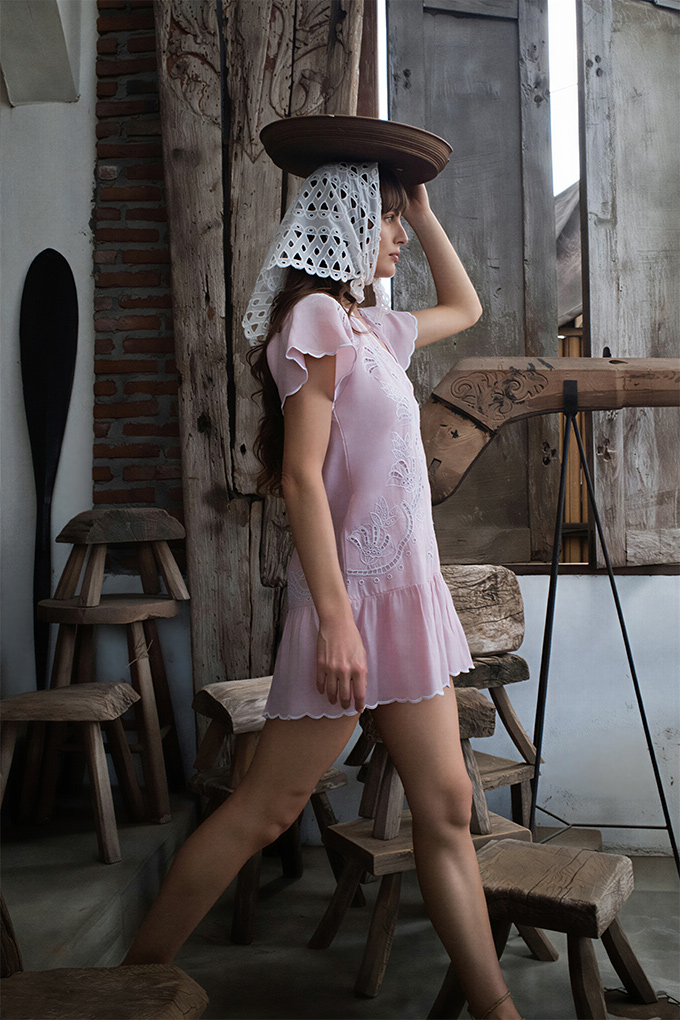
Titled Plesir, the show brought together four labels already stocked by the multi-brand space, giving each of them its own section across the 72-look line-up. Blee looked to the formation of gemstones for Prism, while Byroam’s Lautan took its cues from Indonesia’s relationship with the sea, with embroidery appearing across relaxed takes on kebaya dressing. Komang Tri Jewelry brought its sculptural jewellery into the mix through references to Indonesian carving, before Malina Alba closed out its portion with oversized silhouettes and three-dimensional lily appliqués for Sienna.
Pintu residency, up close

After the Pintu residency’s designers showcased their collections on the runway, they brought all their pieces together in a re-see where we could look at the fabrics up close and speak to the different designers about how the work had developed through the Pintu residency programme. Mickaël Nana and Beatrice Angelica’s Garuda was one of the collaborations that caught the eye. Developed during their time in Lombok, the collection brought Nana’s tailoring together with Angelica’s understanding of Indonesian textiles, with tenun and songket worked throughout the clothes. Lisa Rayar and Gabriel Marcella approached their collaboration from Mojokerto with Au Large, bringing references to French maritime workwear into conversation with coastal North Java island through batik and netted surfaces.
Lakon Indonesia meets Euneun

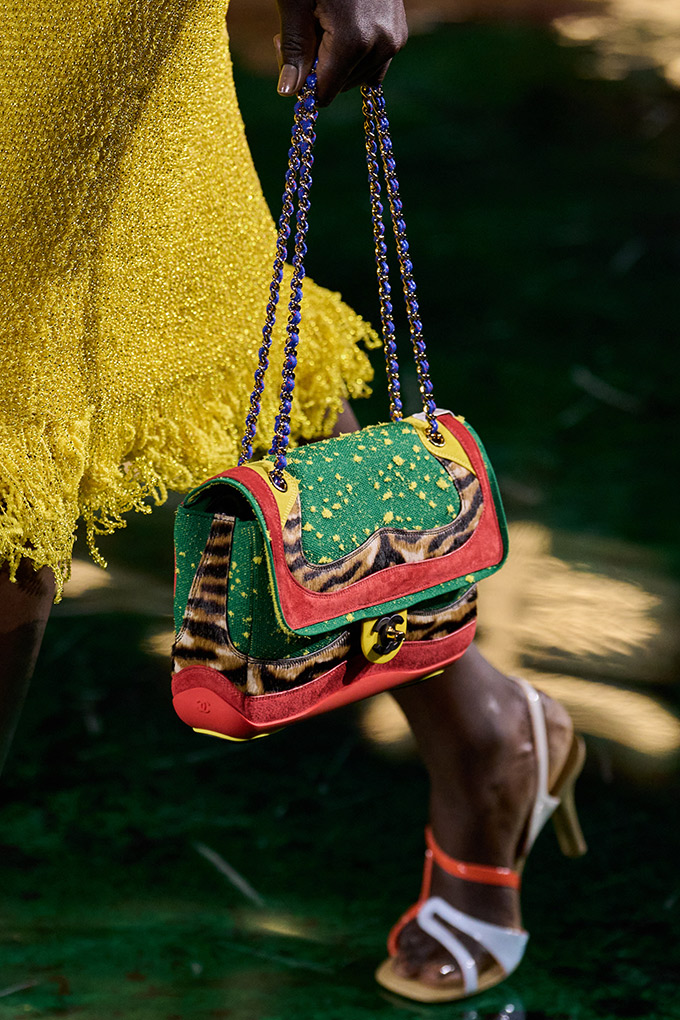
Before Harsa closed JF3 on 29 July, Lakon Indonesia presented the collection with support from Euneun, the bag label founded by South Korean singer and actress Hahm Eun-jung of T-ara. During a press conference with Thresia Mareta, Eun-jung spoke about developing the label with an international audience in mind, with its appearance in Jakarta arriving ahead of Euneun’s official launch in Korea. The bags then appeared throughout Harsa later that evening, styled alongside Lakon Indonesia’s clothes rather than being presented separately. What became more interesting during the conversation was hearing how Mareta and Eun-jung saw the partnership developing beyond that one appearance. With JF3 continuing to build connections between Indonesia and South Korea, the collaboration gave that exchange a much more tangible form, with an Indonesian fashion label and a South Korean accessories brand actually working together and introducing their respective audiences to each other.
The Indonesian designers that caught our eye

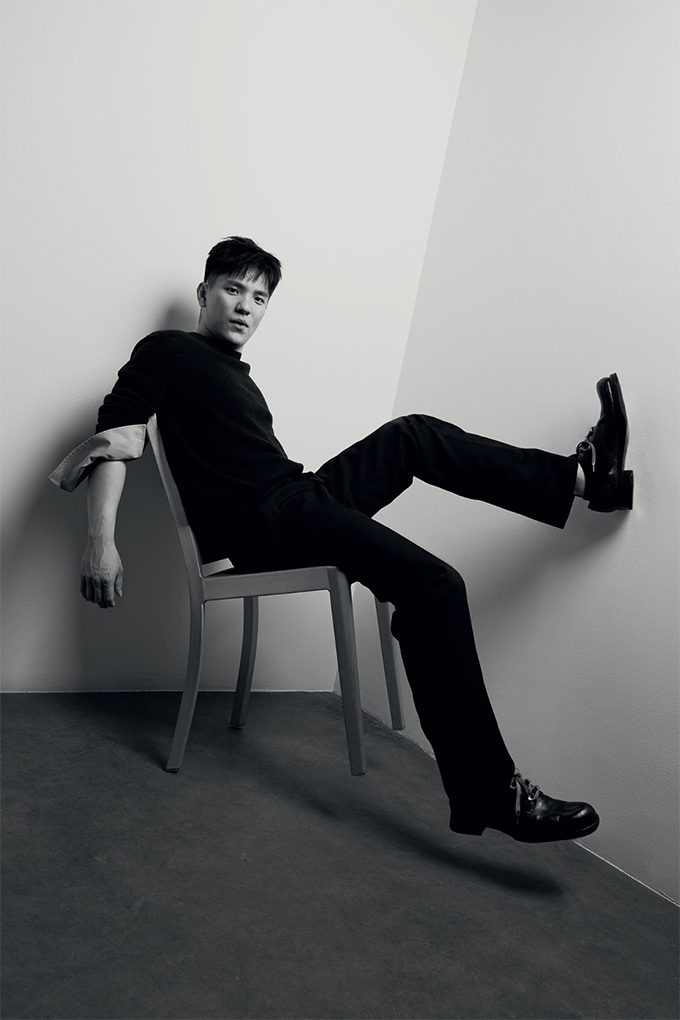
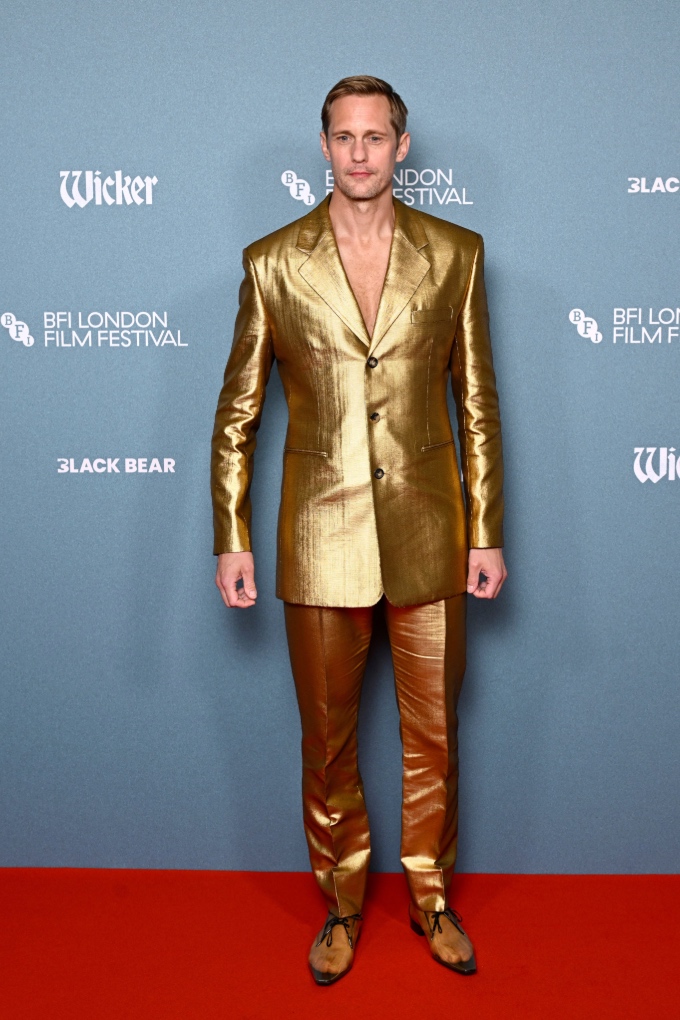
With such a packed local line-up this year, the designers that stayed with us were the ones whose references came through immediately in the clothes. Tities Sapoetra’s Threshold was hard to miss, with clashing colour, graphic prints and beadwork that gave the collection an almost hyper-decorative quality. Hartono Gan’s Heartbeat went in a completely different direction, revisiting the ’90s through sharp tailoring and lace, with cut-outs breaking up some of the cleaner silhouettes. Amot Syamsuri Muda’s Heirloom Fantasy was perhaps the most unexpected of the lot. After discovering old Tapis, woven fabrics, batik, and songket in his family home, he folded them into a collection informed by New Romantic style and ’80s club dressing. The contrast gave those familiar fabrics a very different attitude, especially once the dramatic proportions and styling came into play.
A second look at Harsa

When Lakon Indonesia first presented Harsa as JF3’s closing show, much of its impact came from seeing all 36 looks together. There was an abundance of colour and handwork, with batik appearing throughout the collection alongside embroidery, beading and three-dimensional appliqué. Initially starting out as a traditional runway with a an intro that opened up into models gleefully walking on the runway, the show abruptly came to a pause as the models positioned themselves along the runway, making for a spontaneous re-see. As surprising as it was, it was also an invitation to look at the clothes and fabrics up close, a rather memorable way to close the JF3 lineup if anything.