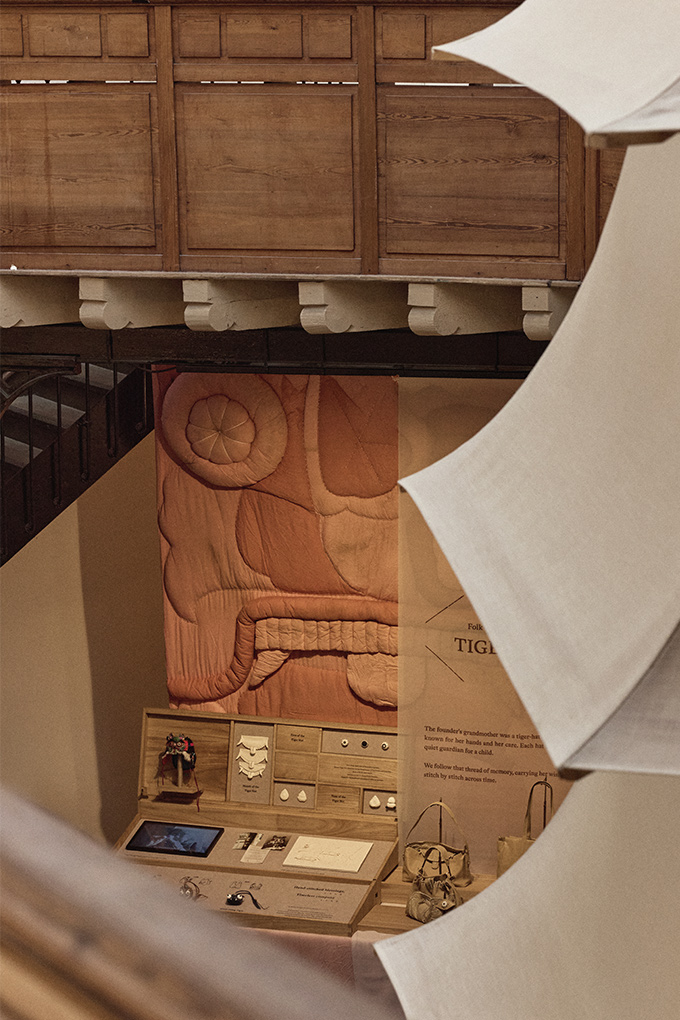
During Paris Fashion Week this September, Chinese accessories label Songmont brought a little of its Shanxi hometown to the French capital. Inside, a pagoda made from wood and translucent paper rose over the brand’s signature leather goods, its layered eaves borrowed from the province’s ancient architecture. Held from 28 to 30 September, it marked the label’s third consecutive year presenting an exhibition in Paris, giving visitors a closer look at the stories and craftsmanship behind its designs.

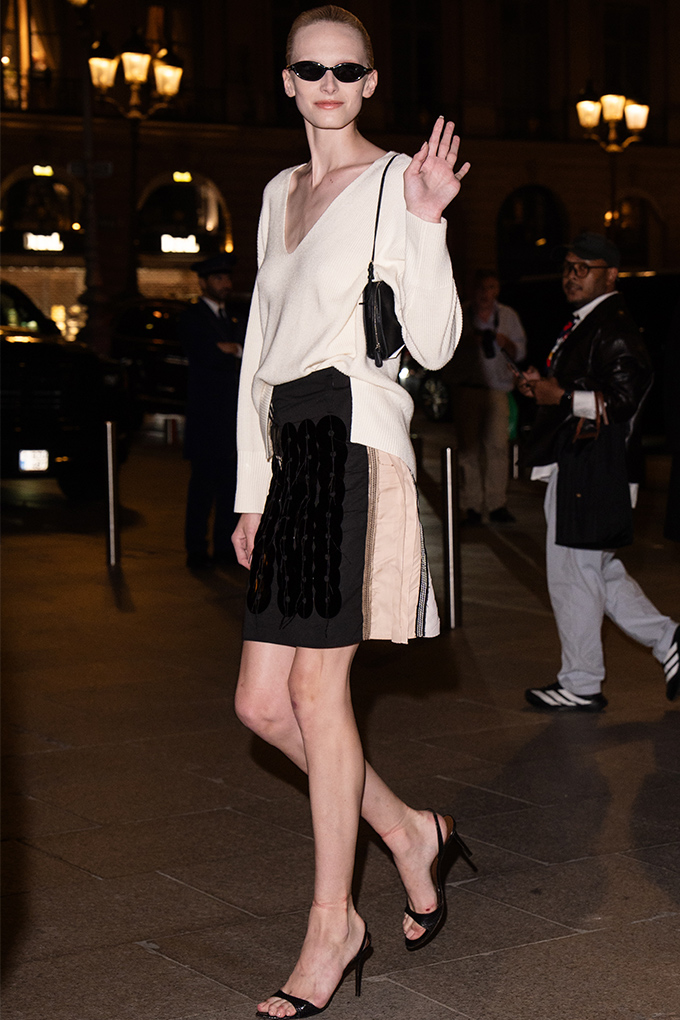
And while the exhibition introduced visitors to the brand’s roots, its bags have already been making the rounds much closer to home, with the local fashion crowd catching on to the growing buzz around Chinese accessories labels. Across social media and the street-style scene, homegrown brands are gaining attention for their distinctive arm candy, with the brand among the names attracting interest. And with its designs becoming increasingly popular among fashion enthusiasts, it’s no wonder the label has caught the attention of celebrities too.
View this post on Instagram
The story of Songmont actually begins with a laptop bag. When founder Fu Song struggled to find one that was both practical and beautiful, her mother, who had decades of sewing experience, made one for her. Before the brand was established in 2013, her mother brought together a group of older craftswomen from their hometown in Shanxi to help bring her designs to life. Known as the Granny Team, they restore and maintain the label’s pieces. Song’s grandmother was also a maker of traditional tiger hats, which inspired the brand’s playful Spirits Charms.

Among the collections presented in Paris, the Yore Tote draws inspiration from traditional Tibetan tiger-tooth motifs, incorporating the woven patterns into its structural frame and inner lining. The Song Bag, meanwhile, takes its structure from traditional Chinese kite frames, with supple leather giving it a softer finish. The popular Luna bag also made an appearance, with its signature crescent shape inspired by the changing phases of the moon.

The Drippy Roof line, meanwhile, borrows the sweeping eaves of Shanxi’s Nanchan Temple, translating the architectural detail into curved leather silhouettes. While the references may not be immediately obvious, they offer an interesting look at how the brand incorporates elements of Chinese heritage into accessories designed for daily use. The exhibition also introduced visitors to traditional Tibetan Pǔlǔ weaving, including the work developed with artisans in Garzê, while old sewing baskets and fabric scraps recalled the craft practices passed down through families. On the upper floor, photographs documented the design team’s travels through Shanxi and the Yellow River basin. There was even a space devoted to Tambacmont, the label’s debut fragrance, inspired by the ancient temples of its home province.

The brand has also made its presence felt internationally through a Bangkok pop-up and its global exhibitions. With its understated leather designs and practical silhouettes, Songmont is finding an audience well outside its home market, and its latest exhibition offers a closer look at the Chinese cultural references behind some of its best-known creations.