If you’re a connoisseur of spirits, there may be no better way to end a long day than to take a leisurely sip of a smooth single malt whisky or to open a bottle of wine and let it breathe before taking that first tipple. As intimate gatherings increasingly take precedence over a rambunctious night out in town, the demand for a dedicated space in one’s home where one can enjoy a drink has become the newest interior design fixation for spirit enthusiasts and social butterflies alike.
From Japandi minimalism to boho chic, a home’s interior design is almost always a reflection of those within, if not an extension of one’s lifestyle and personality. The same goes for a modern home bar—when designing one, the opportunities for self-expression abound.
With the rise of varying interior design styles, the idea of what a home bar looks like has shifted as well. Gone are the linoleum flooring, makeshift barstools and half-stocked liquor cabinets. The home bar is no longer relegated to a corner, but has instead been brought onto the main stage, where its design is just as important as its utility.

Mai Chongchaiyo, chief creative officer of internationally renowned Hong Kong-based design studio Steve Leung Hospitality, agrees. “A good home bar goes far beyond just looking stylish,” he says. “Unlike commercial bars, built for efficiency and to serve a broad audience, a home bar should reflect the essence of its owner. Whether the owner is a serious collector or someone who loves to entertain, the goal is to translate that character into the space, making the bar not just functional, but an extension of who they are.”
Founded by the eponymous architect, interior and product designer Steve Leung, this design group lets its work speak for itself, with a portfolio that spans from one-of-a-kind residential homes in Tokyo to award-winning luxury hotels around the globe.
“When designing any space, understanding what matters most to you is the utmost priority. This is especially pertinent in Singapore, where space is often limited and compact,” Chongchaiyo adds. Here, the designer shares some tips on how to achieve the perfect balance between aesthetics and functionality, as well as three products that will elevate any home bar, no matter your style.

Rules of Design
1. Less is More
In small spaces, efficient design is about precision. Keep the backdrop clean and understated so that standout elements, such as crystal glassware or a beautifully crafted bottle, can take centre stage.
2. Find Your Spirit of Passion
Identifying your priorities is key in building a home bar that works for you. For instance, if you are passionate about red wine, your priority might be temperature or humidity control. But if you enjoy both a red and a white from time to time, it may be worthwhile to invest in equipment that caters to each varietal’s ideal storage conditions.
3. Curation is Key
Make your home bar feel intentional—it’s not just another piece of furniture, but a reflection of your personal taste and style. Understand your needs and cater your products to what suits you best.
4. Leave Room for Spontaneity
Don’t feel the need to plan out every nook and cranny in your home bar. Allow some room for improvisation so the space grows with you and your evolving tastes, not just with your collection.

1 / 3
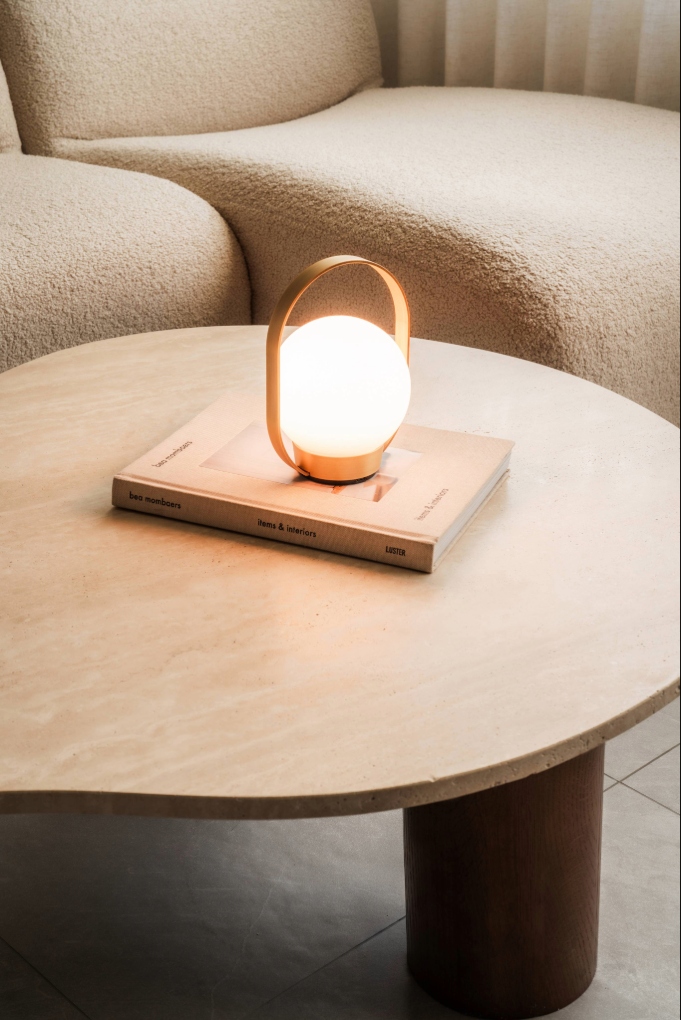
Salute lamp
Designed by Steve Leung as part of the Moorgen x SLD Andrea Bonini Accent Lamp Designer Series, this multifunctional piece reimagines practical design with artistic flair.

2 / 3
Eureka bar by Lema
This beautifully crafted storage unit features leather or suede panelling that discreetly tucks away glassware and fine spirits.

3 / 3
Everyday Baccarat les Minis Shot Set
An epitome of timeless luxury, these crystal glasses are the perfect ornament to top off your home bar, elevating any drink served within.