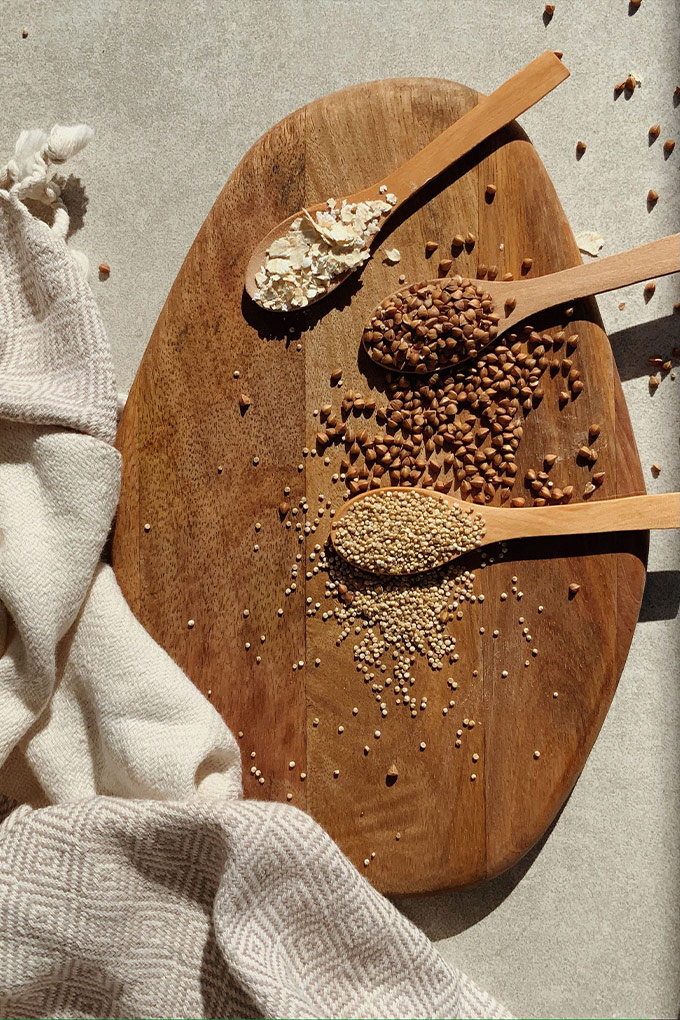
As the protein frenzy begins to cease, a new dietary component comes to the fore—fibre. Proteinmaxxing aside, no matter how many carbs, protein, or fats you consume, it is futile if the body cannot digest it properly.
Though people often associate fibre-rich foods with better digestion, that is only a terse summary. Most definitions are in fact referring to prebiotics, a type of dietary fibre—but the catch-22 is that not all fibre is prebiotic. To be defined as prebiotic, it refers to fibres that actively feed the naturally occurring microbiomes in your gut, allowing the body to soften the stool and control blood sugar. For example, natural prebiotics include oats, garlic, apples and leeks.
On the other hand, probiotics refer to the active microbiomes which the prebiotics are feeding. Often referred to as “good” bacteria, these are live microorganisms that are naturally present in fermented foods like yoghurt, sauerkraut, kimchi and miso.
However, it isn’t as simple as consuming dietary supplements, nor consuming one type of pre- or probiotic food. Get gutsy—ahead, we break down all things in the world of gut health, and diving knee-deep into the world of pre- and probiotics.

How does gut microbiome relate to overall health?
The gut is the second brain, or so they say. A diverse gut microbiome influences how our brain, liver, kidneys, skin, and even vaginal tract functions—in addition to the obvious answer of influencing blood sugar levels. This is even tied to the phrase “gut feeling”, though the exact science behind how this works hasn’t quite been developed yet, as per Stanford Medicine.
What can be confirmed is the “gut-brain axis”, or rather how the gut influences brain function. Over 100 million nerve cells line the digestive tract, and as the gut breaks down food, certain immune signals get sent to the rest of the body depending on whether or not there is inflammation or irritation in the gut lining. These signals can in turn impact mood, stress levels, and cognitive focus.
In short, these gut microbiomes do more than just help us break down food. “Inside the gut, these microbes reinforce the gut barrier,” says Zhi Ling Lee, dietitian at ENC Nutrition. “This protects us against harmful bacteria by blocking them from entering our body through the gut wall.”

Understanding levels of microbiomes in pre/probiotic foods
Even without supplements, pre- and probiotics are already naturally occurring in many foods within our diet. For example, prebiotics are largely carbohydrates, specifically plant-based fibres: in addition to the earlier list, barley, onions, leeks are also prebiotic foods. On the other hand, probiotics—fermented foods that already contain live bacteria.
However, the answer isn’t simply to just eat one prebiotic and one probiotic food. “Contrary to popular belief, not all fermented food contains probiotics, because most of the time the live microbes in the fermented food are not tested for health benefits,” says Ling. Instead, if there are specific probiotic strains, its dosage will be on the label.
In addition to that, though we might assume consuming fermented foods is the right answer, there isn’t a one-size-fits-all solution. The specific strain of bacteria within each food varies, whether it be produced by different farms or even between different batches.
“If we are trying to address specific conditions through good bacteria, we will need a specific strain of probiotics, prescribed in the dose that will actually provide the health benefit,” comments Ling on this specific behaviour. “Under these circumstances, fermented food may not be as effective as probiotics supplements with specific strains, because we would not know if the fermented food has the specific strains that we need to treat the conditions.”

How do pre/probiotic supplements actually work
Unlike vitamins, probiotic supplements don’t quite work as a one-size-fits-all. Instead, each probiotic strain has its own unique benefits, and that specificity includes the exact dosage. In turn, a larger dosage of probiotics or more strains means it isn’t necessarily more effective, says Ling. If anything, “probiotic supplements with generic blend [can] overclaim their benefits on general health,” she says.
There are benefits outside of gut health, but when referring to it in broad terms, it isn’t always necessary. “The long answer is, there isn’t enough evidence to suggest population-wide probiotic supplementation, but it might help for certain people under certain circumstances,” says Ling. “It means probiotic supplementation should be used with the targeted purposes like relieving antibiotic-associated diarrhoea (AAD) or improve anxiety and depressive symptoms.”

Introducing diversity in the diet
Beyond the previous specificities around gut health, the reason why it has been difficult to do extensive research into gut microbiomes is because each person’s gut microbiome is unique. “Two people growing up in the same household might have completely different sets of microbes and both of them can still be similarly healthy,” says Ling.
Raw, unpeeled vegetables and fruits are an underrated source, due to the bacteria and yeasts that are naturally present on the surface of plants before they are peeled. “Focus on consuming a wide variety of different plant foods: fruits, vegetables, wholegrains, legumes, nuts and seeds,” says Adele Wong, dietitian at Nutrition Track. “Soy products, one of the main protein sources for vegans and vegetarians, have isoflavones that are known to support gut health too.”
But the simplest answer is to achieve a diversity in our diets—meaning that adhering to the same meals every day is actually counterintuitive to nurturing the trillions of microbes living in our guts. Going back to the basics—i.e. eating whole grains, fruits, vegetables, nuts and seeds, fermented food—is already enough for the general population.
But hey, don’t overthink it. If your energy levels are stable, you have regular bowel movement, and you recover from illness quickly—your gut microbiome is likely to already be in good shape.