Warning: This story contains spoilers of Wuthering Heights.
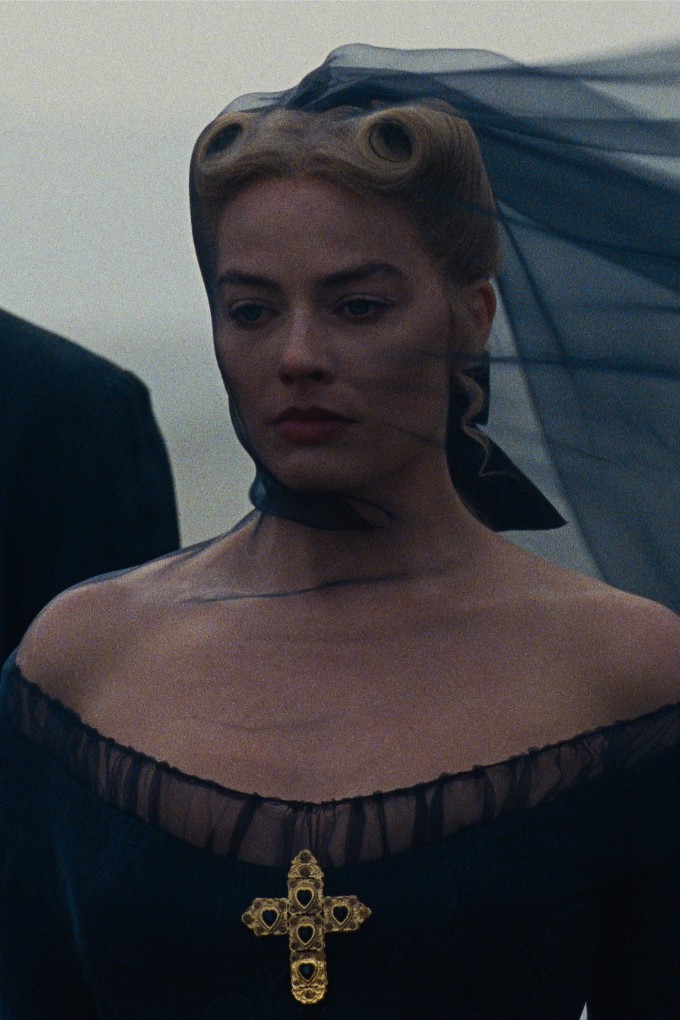
“Come undone,” commands the poster for Wuthering Heights—less a tagline than a warning. Even before Wuthering Heights reached its official premiere, conversation had already spiralled within the in-crowd: about its heightened aesthetic, near-fantastical costume design, and Margot Robbie’s dramatic parade of press-tour looks that seemed to echo the film’s feverish mood.
Yet beyond the fashion spectacle lies something much more unsettling. Directed by Emerald Fennell, the filmmaker behind Barbie and Promising Young Woman, and starring Robbie alongside Jacob Elordi, the film brings one of literature’s most notoriously destructive romances to the silver screen. Adapted from Emily Brontë’s classic novel, Fennell’s interpretation refuses to water down the story’s roughest edges.
It was certainly one that took me by surprise. Having only read fragments of the original text, much of the narrative still felt new—and oddly confrontational within today’s cinematic climate.
Flawed romance

For the uninitiated, Wuthering Heights follows Catherine “Cathy” Earnshaw and Heathcliff, whose bond stretches from childhood intimacy to adult obsession. Their connection is portrayed not as sweet and tender, but as something feral and all-consuming.
What appears most fascinating—and frequently uncomfortable, in my view—is that the film offers no moral cushioning. Cathy is arrogant, selfish and often cruel. Heathcliff is obsessive, vengeful and emotionally volatile. Their love is not framed as aspirational but corrosive, poisoning everything it touches. Yet, the couple yearns endlessly for each other and for this love they share.
View this post on Instagram
In an era dominated by protagonists that are almost always near-perfect, Wuthering Heights feels almost confrontational in nature. Have we grown so accustomed to likable leads that we no longer know how to sit with characters who are, quite frankly, deeply flawed?
Heathcliff’s cruelty, seen best in how he treats Isabella, is depicted with unabashed severity. These are scenes that resist romanticisation, forcing us as viewers to confront the ugliness embedded within the myth of “epic love”—something I’m admittedly drawn to in plot lines.
Falling for the bad guy(s)

Edgar Linton, Cathy’s husband, emerges as the film’s most unexpected disturbance. He is patient, gentle and almost unbelievably kind to Cathy. He indulges Cathy’s desires, spoils her with everything she could possibly want and more and even responds to Cathy’s infidelity with considerable restraint.
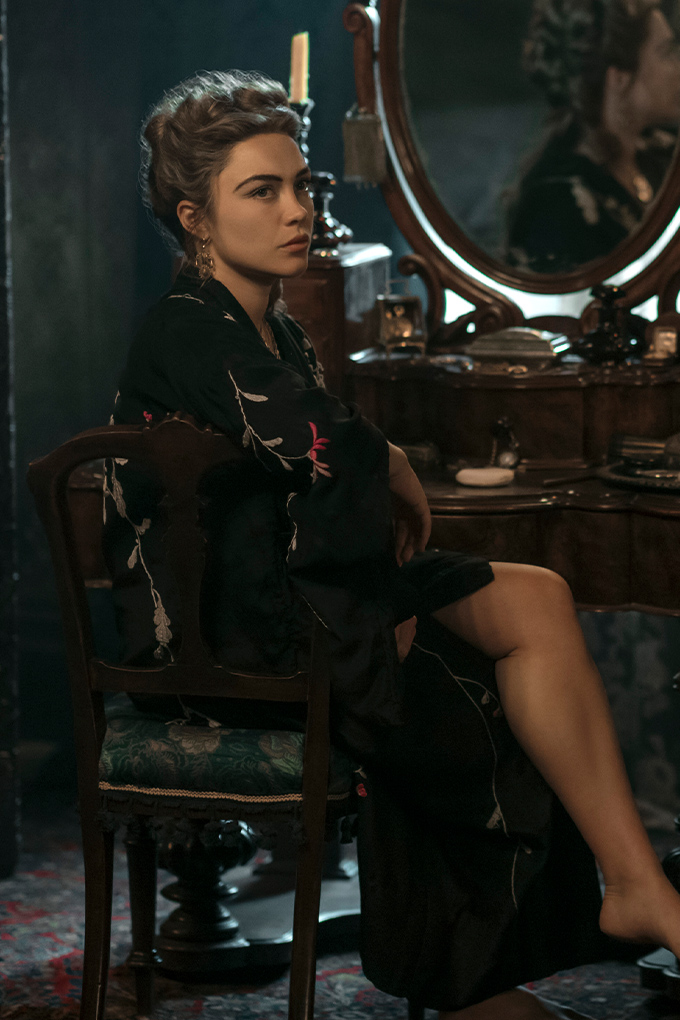
Yet his intense devotion carries an eerie undercurrent. The bedroom he designs for Cathy—dressed in walls that uncannily mirrors her skin with veins and moles—suggests a love that borders on possession. And while the book’s version may have been equally macabre, the visual confrontation of the walls on film is a stark reminder of how even goodness in Wuthering Heights can quickly transform into obsession.

Where Heathcliff’s messiness is unashamed and in-your-face, Linton’s unease gently bubbles below the surface. It goes without saying, that neither man is perfect—naturally—but there is a clear choice. Yet, in spite of the rational option, as a viewer, I admittedly found myself rooting for Heathcliff, warts and all.
Yearning, epitomised
What ultimately anchors the film is its deliberate pacing. While the narrative may feel sprawling and volatile, Cathy and Heathcliff’s adultery unfolds across mere months during the former’s pregnancy.
View this post on Instagram
In an era that relishes in speed, immediacy and instant gratification, Fennell’s insistence on depth and duration feels refreshing. Silences are drawn out, yearning stretches on—as it does in real life—and we’re forced to sit and soak in moments of tension and desperate longing.
The feeling that lingers long after is one of near-hypnotism. The slow burn of Wuthering Heights not only reflects the pace of life of 18th-century England more realistically, but it also allows the pain and emotional weight of Cathy and Heathcliff’s relationship to fester and build over time.
So despite ongoing debates about whether Fennell dilutes or distorts Brontë’s legacy, the film feels less like a rework, and more like excavation of the discomforting elements that underscore one of society’s most beloved romances. Strip away the spectacle, the couture, the discourse, and what remains is clear: a love story not of destiny, but of pure destruction. Whatever our souls are made of, Fennell demands it be known.
Wuthering Heights is showing in cinemas now.