Corsets? Corsets! Oh, the irony of girlhood. One minute, I’m engaged in the most riveting of conversations about the female condition with the brilliant, independent women in my life; the next, I’m being whisked away to an age when a girl’s marriage is her whole life; when her chastity decrees her reputation; and when a glossy debutante ball marks her initiation into womanhood. Till this moment I never knew myself—at least for how ardently I admire a good piece of historical fiction. Yet every time I allow my inhibitions to come loose, it is often in the ton’s most recent period drama where I find true enjoyment. And oh boy, does a regency romp wield the power to consume me.
Perhaps it began the first time I ever sat down with my mother to watch an episode of Downton Abbey. It was probably love at first sight; the beautiful castle estate itself one to wonder after. Home to the Crawleys—an incredibly faceted family, whether or not they belonged upstairs or downstairs. There’s the dutiful butler Carson, the gentle Anna Bates, the relentless Isobel Crawley and of course, the sharp-tongued matriarch Violet Crawley, played by the one and only Dame Maggie Smith. Whose words, as biting as they are, served as sage advice even way beyond the 1920s. Nary a soul could deny her wisdom.

Then there was the courtship. Till today, Lady Mary and Matthew Crawley’s relationship remains my Roman Empire. I think about them—often. What they could have had; what they did; and what they lost. Forget Korean dramas, this was a love that spanned years, endured through wars, and ultimately hit knife-deep when tragedy struck. Still, how they yearned.

It set a precedent for what romance—in every sense of the word—could look like to me. It was unrealistic, but most fiction was anyway. In truth, the reason I myself yearned for the familiarity of a period narrative was evident in the way a show like Downton painted its days. Unrushed yet deliberate, purposeful yet romantic. It wasn’t just the impassioned romance of its characters, it was the romance of its era, despite the hardships that brewed outside, from World War I to the Spanish flu. Utterly transportive, into another time and place. Softness and hardness came in equal measure, and often, the women prevailed through them with grace.
In Downton, it was in Lady Mary’s grit despite the tragedy that befell her. In the India Amarteifio-led Queen Charlotte, it was in her fearless approach to the life of royalty, embodying the fearless monarch we later see in the Bridgerton series. In Greta Gerwig’s phenomenal adaptation of Little Women, it was in Amy March’s not when I have spent my entire life loving you, her final defence against the fickle-minded Laurie. And in Apple TV+’s The Buccaneers (with a highly-awaited second season on the way), it was in the way Mrs St. George loved Nan (Kristine Froseth) all the same and kept their family together, despite knowing she was the result of her husband’s affair.

Admittedly, the tightly-corseted, polite society of most period flicks is one that would appear undesirable for most women of our generation. Yet, it shows the undeniable strength of the women that lived before us. They weren’t actually more subservient, or cavalier about their womanhood. Instead, they tore through hardships in their own quiet, powerful ways, even if it were through sheer resilience—the only tell of their grievances masked in their words, laced with wit and sarcasm.
They were better at hiding their true selves; ingenious about plotting against the men that held them against their will. Even more so when the matter was one of life or death for a bosom sister or their closest maidservant. They steeled themselves against it all; to overcome unwanted pregnancies; unwanted marriages; or the knife-cut ridicule that came from a cousin’s future husband in the running to own their family estate, and by extension, them.

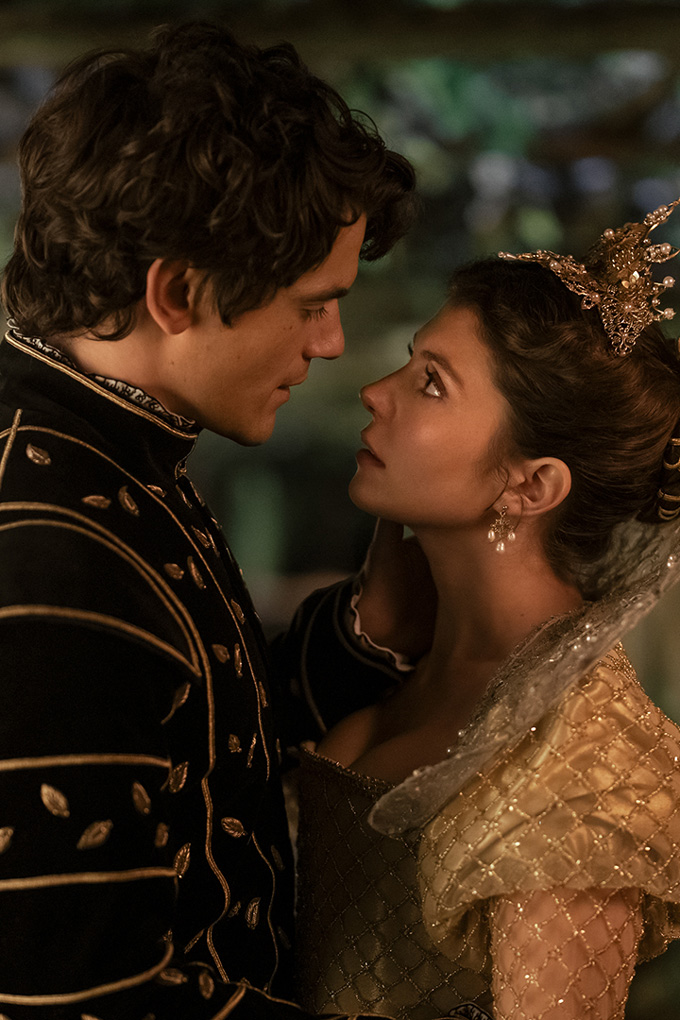
Notably, one of the best period shows I’ve watched in recent times is made by a woman herself. Gemma Burgess, showrunner of the short-lived My Lady Jane, couldn’t have epitomised the female plight better. Lady Jane Grey, played by the arresting Emily Bader, was a determined one, as passionate about her books as her eventual romance with the charming Lord Guildford Dudley. A picture that combined everything good about historical dramas; the dramatic political plots, the slow burn tension, and the incredible way in which a woman was capable of rising above it all.
I must confess, of course, a historical narrative would be amiss without its slightest bit of romance. The riveting, earth-shattering sort, even when they’re just making eyes across a ballroom. Some might even consider it utterly necessary, and I concede. Céline Sciamma’s Portrait of a Lady on Fire a luscious, moving tale that wields their mesmerising love at the centre of the French historical film—a cultural reset in every cinephile’s world. 1960s Hong Kong set the stage for Wong Kar-wai’s iconic In The Mood For Love, of star-crossed lovers bound by tradition and familial values. Sometimes an epic historical love story conveys war, politics, tragedy all in one, who would dare deny it? So at no one’s behest, I shall spend an entire life in admiration of them. They have, after all, bewitched me body and soul.