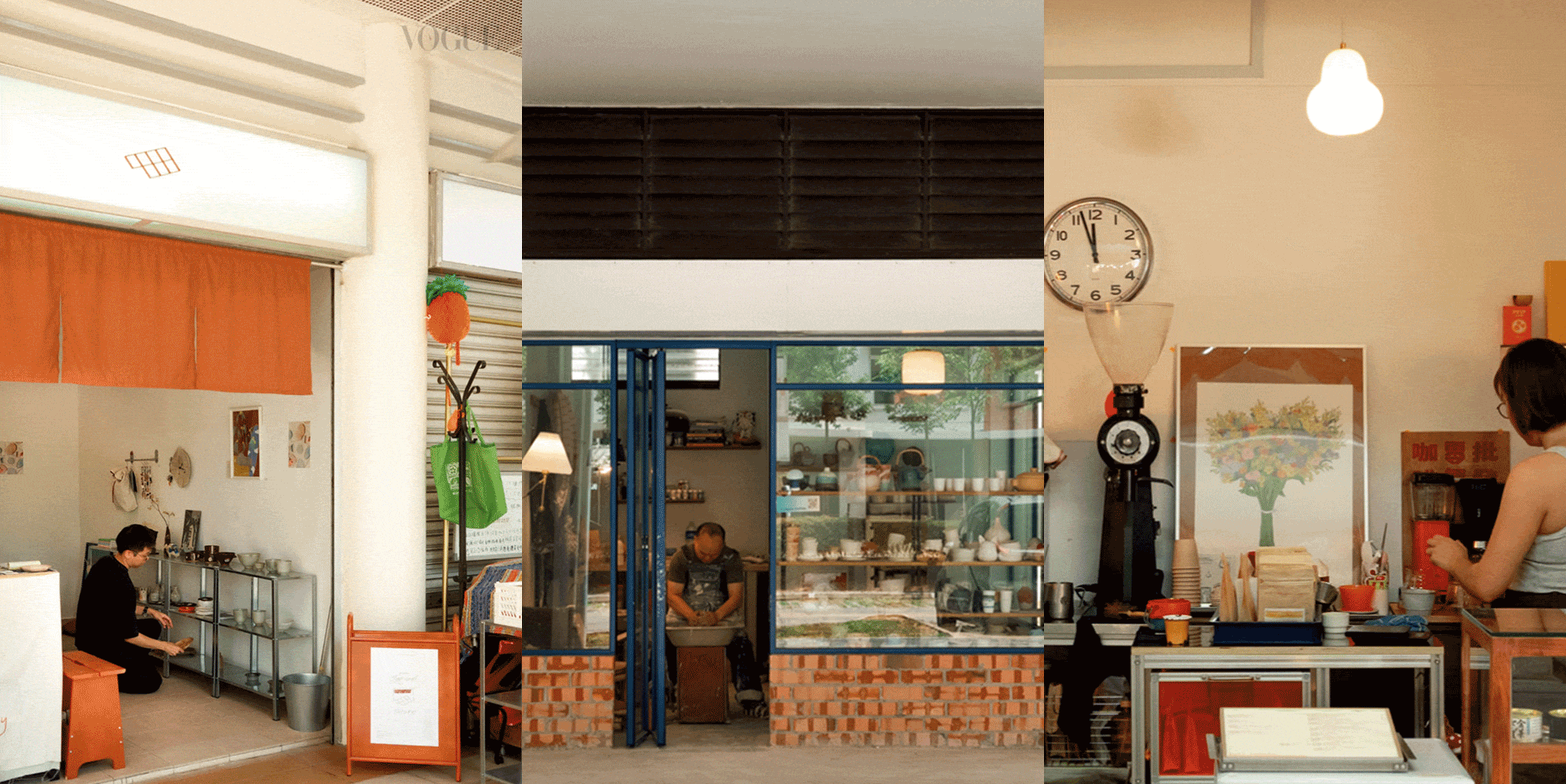
Their love language speaks for itself. What started as a monthly newsletter during the quiet days of COVID-19—where readers could find detailed listicles on the best mala—has grown into something much bigger. Today, Christy Chua (founder and editorial director), Tan Aik (editor-in-chief), and Melody Koh (art director) form a close-knit trio behind an unconventional zine, The Slow Press. This unconventional zine explores the socioeconomic dimensions of food, cooks up thoughtful discussions on how certain dishes are ingrained in culture, and satiates an appetite for the print medium as well as the written word—in every page consumed.
Beyond food, the zine celebrates the tactile pleasures of print and the art of storytelling. Each issue is carefully curated, offering thoughtful essays, illustrations, and visuals that invite readers to slow down and engage with the content. Feeding both the mind and imagination, there is plenty of heart in the way the zine connects readers to the people and stories behind the meals they love. For Vogue Singapore’s October issue, they reflect on how their zine offers a deliberate way to capture culture, community, and most importantly, food. “We run a food magazine, we have to eat well,” the trio cheekily express. We wouldn’t expect anything less.

1 / 5
Is there a specific community your zine speaks to most?
People who are hungry for the juicy stories behind the plate. We feel a strong inclination towards the lesser-heard stories of overlooked communities in Singapore. We have written on topics like migrant worker meals, traditions behind food prepared for prayers, seed sovereignty and more. We love to shed light and dig deeper into topics you might not find covered in a mainstream publication.

2 / 5
What is something you won’t compromise on in a zine?
Having an editor’s note. No book is complete without a little titbit from a (sometimes) snarky editor. It is a peek into the behind-the-scenes; the how and why of things. It’s a moment when the writer gets to let loose and chat casually with the reader. That being said, one of the best parts of independent publishing is the lack of dogma. There is no standard form that one must adhere to. Zines are an important space for the experimental, the offbeat, the DIY, the playful.

3 / 5
What are you most drawn to when looking at other zines?
We like zines that make us ask questions. If they are too clean, we don’t see ourselves picking them up. We enjoy fidgeting with thoughtful, physical elements. Things like the binding, the spine, the type of paper used—anything that is tactile—draw our attention. We also like zines that put a lot of care into their writing. With zines, there is a lot of emphasis on interesting visuals and design, but excellent, original writing is always a big plus.

4 / 5
What are some of the biggest challenges you have faced?
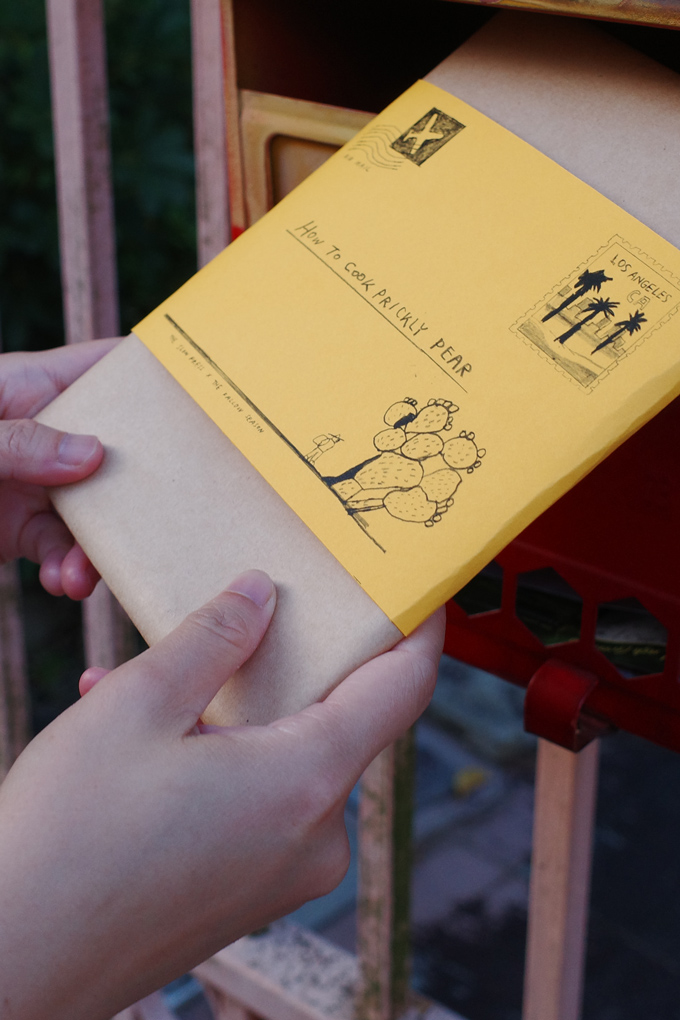
People don’t see this side of us but making the zine is one thing, giving it a life is another. We communicate with bookshops all over the world to get our publications on shelves and sometimes getting a response or finding responsible business owners is not the easiest task. The other challenge is operating on shoestring budgets.We run this outside our day jobs and usually we have to pivot to super lo-fi, DIY ways to get the job done. We have shot our cover pages on a washing machine in Melody’s home. We spent about 30 hours over several days, assembling all 230ncopies of How to Cook Prickly Pear by ourselves. These things take time, but it’s a labour of love.

5 / 5
As a zinemaker, what does kinship mean to you?
Kinship is having a round of rasam and banana leaf rice at KL Art Book Fair years ago. Kinship is being able to share a meal with others; there is no easier way to forge a bond than over a hot meal. We run a food magazine, we have to eat well.