The interplay between fashion and community in Singapore has always been a dynamic dance, evolving alongside local traditions and global trends. Fashion in Singapore has moved beyond its practical origins—picture tank tops and sports shorts necessitated by the city’s perpetual summer—to a vibrant array of styles that capture personal expression and collective cultural shifts. This transformation highlights fashion’s growing significance, evolving from a mere necessity into a powerful form of self-expression and an expanding interest for many Singaporeans.
The early 1990s marked a pivotal moment for Singapore’s fashion scene. As the city began to move away from its utilitarian past, it faced the challenge of integrating global trends with local sensibilities. Enter the creative hubs and platforms that nurtured this shift. Market of Artists and Designers (MAAD), launched in 2006, was a key player in this transformation. Held monthly at the Red Dot Design Museum, MAAD provided a platform for independent fashion labels and artists to showcase their offerings to the public. This event became a crucial meeting point for emerging designers and consumers, fostering a community that celebrated unique, artisanal fashion and setting the stage for Singapore’s evolving style landscape.
In tandem with such initiatives, fashion schools such as Lasalle College of the Arts and Nanyang Academy of Fine Arts have played a crucial role in shaping Singapore’s fashion identity. These institutions offer a nurturing environment for young creatives, providing a space where innovation and collaboration thrive. Through their graduate shows and educational programmes, they challenge and push artistic boundaries, fostering a community of designers who are not only trained in technical skills but also encouraged to explore and redefine the fashion landscape. By blending historical techniques with current trends, these schools are vital in nurturing the next generation of designers and significantly influencing the local fashion scene.

A notable figure influenced by this vibrant environment is Vickie Dutton. Her intricate craftsmanship and sophisticated designs embody the essence of Singapore’s fashion transformation. Known for her meticulous embroidery and luxurious fabrics, Dutton blends historical techniques with modern aesthetics, showcasing how local craftsmanship can seamlessly integrate with global trends. Her work highlights not only the depth of local talent but also the rich array of fashion subcultures that have shaped Singapore’s style landscape.
One of the most memorable fashion movements in Singapore’s history was the emergence of the Centrepoint Kids in the 1980s. This group of teens, who frequented the Centrepoint mall, became synonymous with Western-inspired street fashion that was bold and groundbreaking. Sporting vibrant colours in their clothing and hair, along with striking designs and heavily layered outfits, they captured the essence of music and pop culture. Their distinctive style exemplified youthful rebellion, challenging conventional fashion norms and showcasing a new, audacious spirit. This movement not only defied conventional aesthetics but also forged a sense of identity and community among Singapore’s youth.

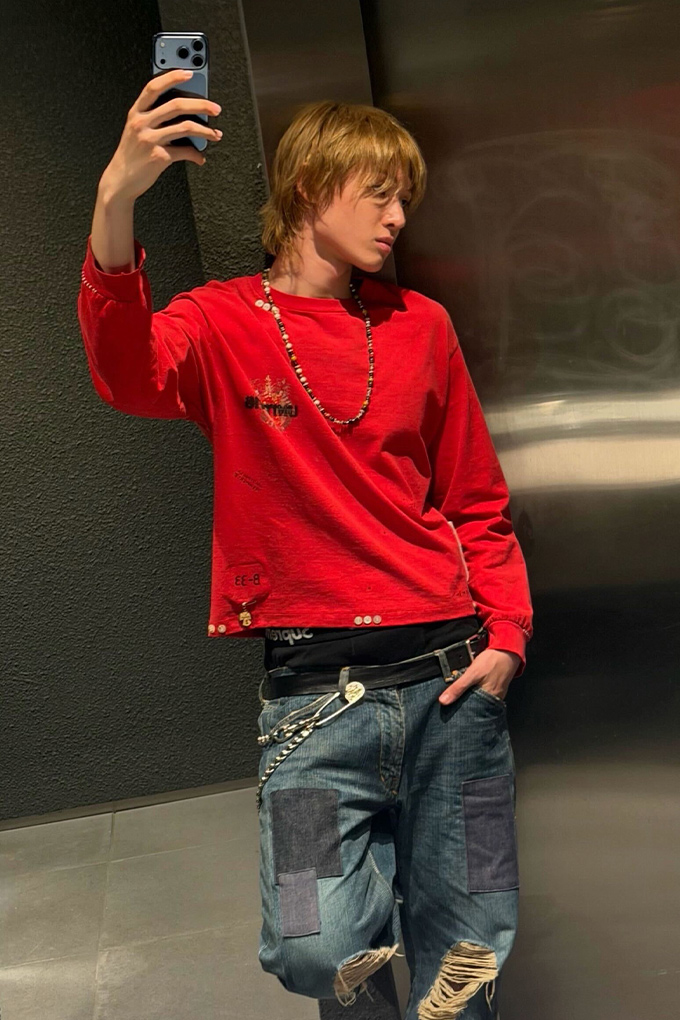
This subculture set the stage for future movements, such as the punk scene in the ’90s, where DIY fashion, leather and ripped jeans became symbols of counterculture. By the early 2000s, streetwear had taken over, with oversized silhouettes and bold, urban styles influenced by skate culture. Alongside this, the growing cosplay community brought a different dimension to local fashion, infusing the scene with creativity and playfulness through intricate, character-based outfits. Together, these subcultures have woven a rich and eclectic tapestry into Singapore’s fashion narrative, highlighting the ongoing tension and harmony between tradition and modernity.
As the 21st century unfolded, global and regional influences began to leave a pronounced mark on Singapore’s fashion. Hallyu, or the Korean Wave, had a significant impact on local fashion from the early 2010s. Driven by the global popularity of K-pop, this cultural phenomenon introduced bold and vibrant styles that resonated with a new generation of fashion enthusiasts. K-pop idols became influential fashion icons, inspiring a community that was passionate about music and style. This influence fostered a fashion culture that embraced a diverse range of styles, from avant-garde streetwear to high fashion couture, reflecting a dynamic blend of musical and sartorial creativity.
“Singapore’s fashion scene continues to remain a cycle of reinvention, reflecting a rich mélange of past influences and contemporary innovations.”
Today, regional trends from Japan, Vietnam and China are enriching Singapore’s fashion scene. Platforms such as Douyin (the Chinese equivalent of TikTok) have popularised distinctive regional trends, introducing a mélange of fresh elements to the local fashion palette. Japanese fashion, with its avant-garde and minimalist approaches, offers a refreshing contrast to Singaporean styles. Meanwhile, Vietnamese and Chinese designers reinterpret traditional motifs with a contemporary twist, adding an eclectic mix of heritage and modern design to the fashion landscape.

Another significant influence on the local fashion scene is the rise of digital media. Social media platforms such as Instagram, TikTok and YouTube have reshaped how fashion trends are shared and consumed in Singapore. While print magazines still hold a nostalgic charm and offer a sense of romance and depth, digital platforms provide an immediate and dynamic way to engage with fashion. These platforms have become essential for local designers and influencers to showcase their work, engage with a global audience and connect with consumers directly. The omnipresent nature of social media allows a rapid dissemination of trends, making them accessible to a wider audience. Local influencers, blending streetwear with high fashion, exemplify this shift, demonstrating how digital media has created a vibrant space for fashion to evolve and adapt. This digital revolution has not only broadened the reach of local fashion but has also fostered a more interactive and inclusive fashion community, where emerging designers and trendsetters can influence and respond to global and local fashion dialogues in real time.
Singapore’s fashion scene continues to remain a cycle of reinvention, reflecting a rich mélange of past influences and contemporary innovations. From the glitzy tracksuits of the early 2000s to the resurgence of cropped cardigans and loungewear, fashion in the Lion City is in constant flux. Platforms such as TikTok have revived styles such as Crocs and low-rise jeans, demonstrating how fashion always comes full circle, revisiting and reinterpreting past trends. The local fashion community continues to be a dynamic blend of creativity and global influences, celebrating both heritage and progress in its shifting style landscape. This ongoing evolution shines a spotlight on fashion’s role as a reflection of societal changes, personal expression and collective identity, crafting a vibrant narrative that continues to captivate and inspire.
The October anniversary ‘Community’ issue of Vogue Singapore is available online and in-store.