As one of the oldest alcoholic beverages in Korea, the history of makgeolli is rooted in the idea of companionship—from farmers sharing their sorrows over cups of the sweet yet piquant beverage during the monsoon season to celebratory toasts at dinner with family and friends. This deep human connection is the premise behind Odem.
Nestled right in the heart of New Bahru, Odem is the first makgeolli bar in Singapore. In its intimate display of Korean cuisine and culture, the restaurant seamlessly melds the contemporary and traditional.
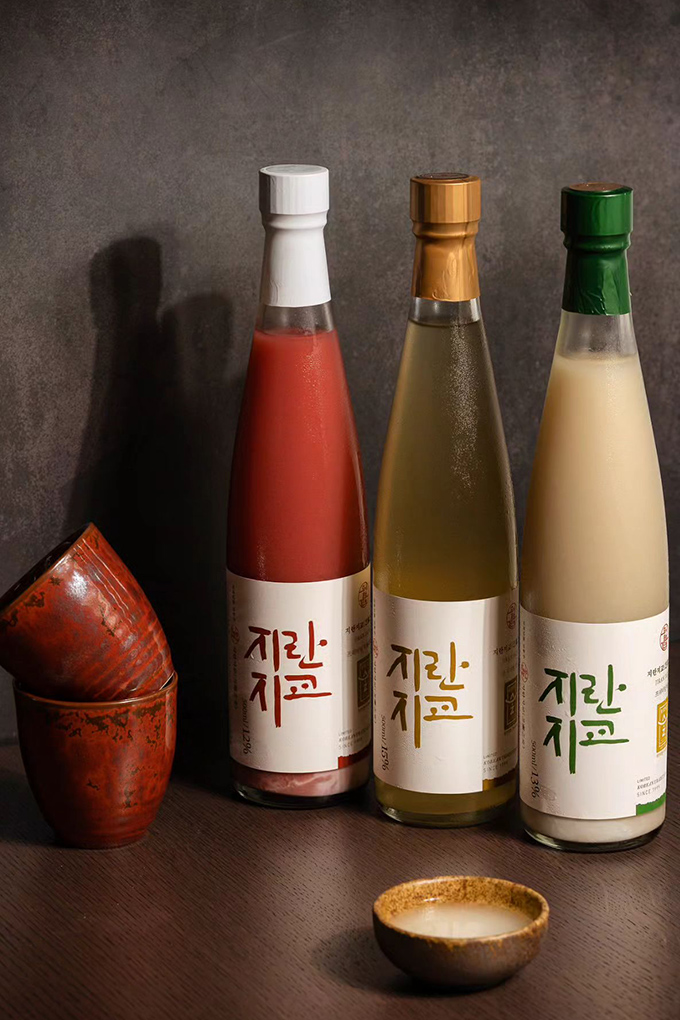
While some may think that makgeolli is a humble, easy-to-make rice wine, Odem reveals the true craftsmanship that goes into the beverage. Here, instead of the mass-manufactured bottles found commonly in supermarkets, you’ll get to discover the world of artisanal makgeolli. Hand-brewed in small batches and characterised by its use of local fruits, flowers and the finest quality of Korean rice—along with the absence of any preservatives—craft makgeolli boasts a wide diversity of flavours and nuanced expressions.

At Odem, diners will find a wide selection of over 30 labels of hard-to-find, artisanal makgeolli, sourced carefully from a curated list of independent breweries in Korea. Enter the modern, beautifully-designed space and you’ll be greeted by a myriad of bottles to choose from—offering a wide range of flavours, colour and texture. To guide you along, the menu details the breweries’ background and the ingredients poured into each bottle, while the congenial staff is fully prepared to help you find the right makgeolli to suit your tastes.
Founded by local entrepreneur Dominic Tan—who also happens to be behind cult favourite Korean restaurant Ajumma’s—the concept behind Odem was conceived during a business trip where Tan first encountered the taste of small-batch makgeolli. “It fascinated me how flavourful and complex makgeolli could be, with a huge variety of aromas, complexity, styles and with more breweries popping up every year all over the country. Because of how makgeolli is made, fermented and aged, its ability to retain flavour surpasses that of most other spirits,” Tan shares.
At Odem, the art of fermentation is showcased in the cuisine too. Spearheaded by head chef Bae Yumi, the restaurant maintains the authenticity of Korean flavour and traditional cooking practices while presenting dishes with contemporary finesse.

“With the food at Odem, I wanted to highlight the deep traditions that exist in Korean cuisine,” Bae says. “One example is how I incorporate fermentation into different dishes. Fermentation is a significant part of Korean culture, from kimchi to doenjang (soybean paste). These elements are woven into the menu, not only in traditional forms, but also in more modern, creative applications, like fermented sauces or seasonings for unexpected pairings.”

For example, Odem’s signature main, Barbecued Kalbi, is infused with a luscious barrel-aged soju butter sauce, displaying a fine blend of modernity and tradition in the dark fermented dressing perfected by Bae, accompanied by juicy, tender ribs that melts in your mouth. To Bae, the essence of Korean cuisine lies in harmony—something she strives to achieve in every dish she creates. “The key is understanding each ingredient’s unique characteristics and using seasoning to enhance its natural flavours,” she says.
This harmony is found not just within individual dishes, but between food and drink as well. After all, Korea’s love for culinary combinations—like ChiMaek, the popular pairing of chicken and maekju (Korean beer)—cannot be overlooked.
“Because of how makgeolli is made, fermented and aged, its ability to retain flavour surpasses that of most other spirits.”
Odem pays tribute to this with specially curated pairings between its dishes and makgeollis. “When considering food pairings, I usually think about introducing contrasting flavours. For example, pairing an umami-forward dish with a sour and appetising makgeolli,” says Odem’s sommelier, Tony Bittner. “Our hope is for guests dining at Odem to learn to appreciate the true craftsmanship and variety of makgeolli.”
To conclude, Tan alludes to son-mat, a concept that is key to Korean cooking, which translates to ‘taste of the hand’, or ‘flavour imbued by the craftsman’. “In Korea, there is great significance in food and drink being handmade and going through a long process of aging to draw out complex flavours from the best ingredients. Most of us have heard that Korean food emphasises fermentation and aging, but it was only after learning about how makgeolli is brewed and aged, that I fully understood how central fermentation is to Korean culture.”
The October anniversary ‘Community’ issue of Vogue Singapore is available for sale online and in-store now.