In Myanmar, teahouses—or laphet-yay sine—sit along almost every street. They are the foundation on which Burmese social life is built, always ready to welcome anyone looking for a space to gather, relax or chat. Hours can be whiled away here, in casual conversation or deep discussion. This is the feeling that Club Rangoon seeks to evoke.
A chic showcase of modern-day Burmese cuisine and culture, Club Rangoon puts a fresh spin on classic Yangon dishes. Started by co-founders Nelson Htoo and Elin Fu, it was previously a celebrated name in the Hong Kong dining scene, until it shut its doors nine months ago when its lease ended. Nelson’s sister, Susan Htoo, also acts as the restaurant’s senior marketing and business development manager. Now, Club Rangoon finds its new home in a heritage shophouse along the bustling Duxton enclave.

Step in, and you’ll find a space that is intimate yet convivial. In the centre, a round table serves as a nod toward the integral role that communal dining plays in Burmese culture. Five black-and-white framed photographs hang on the walls, each a reflection of the close ties the team shares with Myanmar—from a snapshot of them on one of their research trips, to an image of Nelson and Susan’s grandmother in her kitchen. In the bathroom, tracks from ‘80s cassette tapes of Burmese music play, offering a glimpse into Myanmar’s music culture.
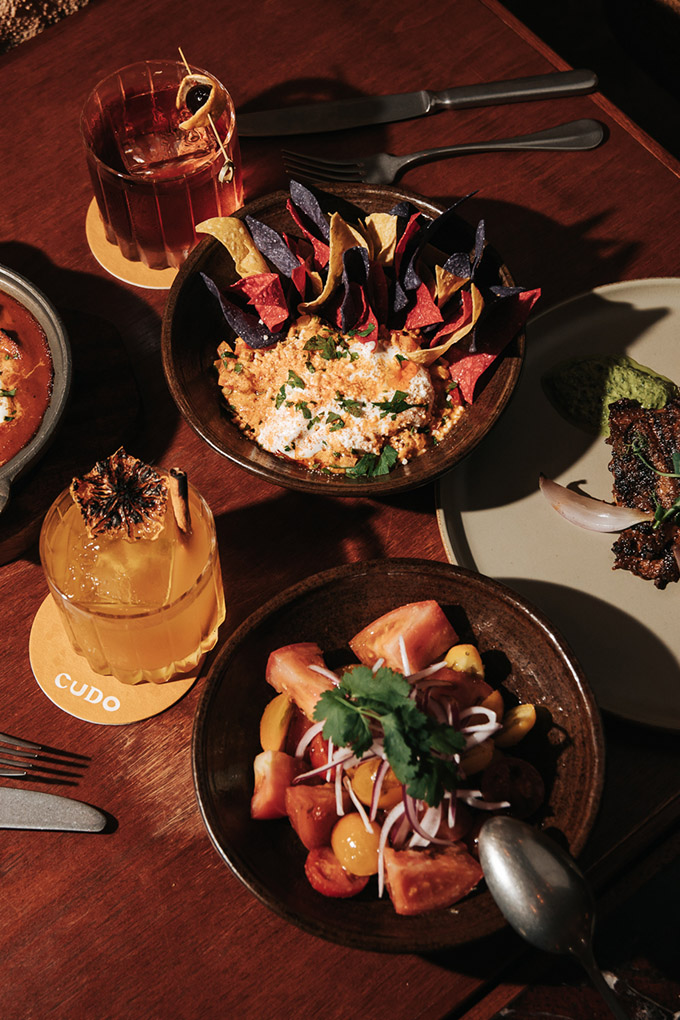
The food, while modern, remains wholly authentic. “In Burmese cuisine, every household has its own twist on a dish,” shares Nelson. With over 130 indigenous ethnic groups across Myanmar, recipes can vary from state to state, town to town, and even family to family. “The dishes at Club Rangoon are largely based on my family recipes, and feature a contemporary take on Yangon classics.”

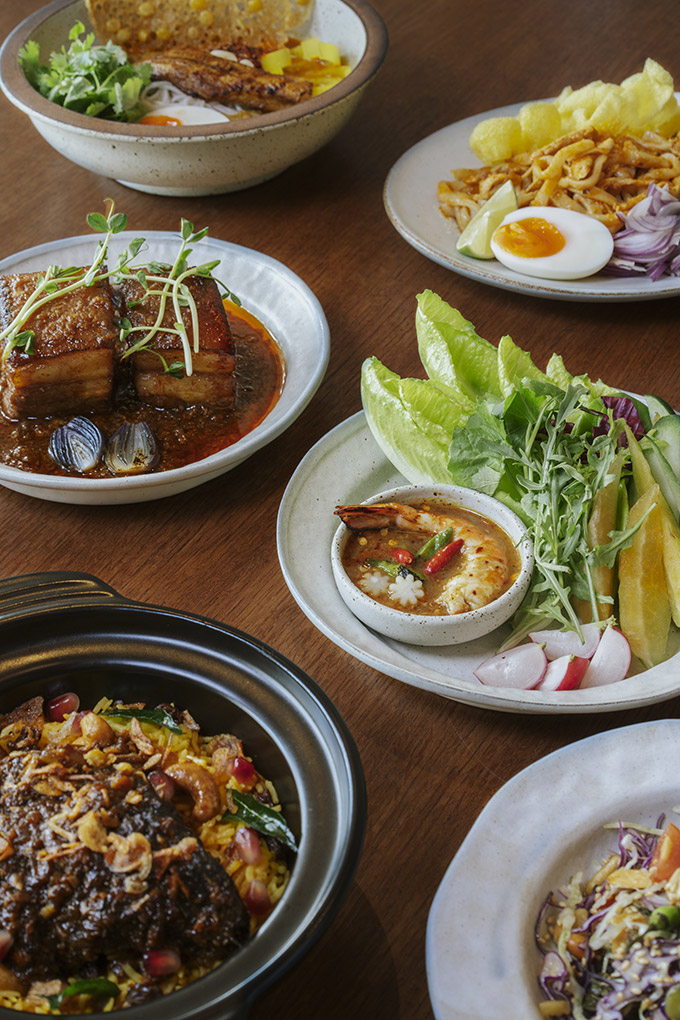
Take, for instance, the mohinga, Myanmar’s national dish. “The Rakhine mohinga is less soupy and has more ngapi—a fermented fish paste similar to belacan in Singapore and Malay cuisine. At Club Rangoon, we stick to the classic Yangon style, characterised by the use of catfish and chickpea flour,” explains Nelson. Fine rice noodles are cooked in a lightly spiced catfish and lemongrass broth, then served with tender pearl onion, banana stems, hard-boiled egg and a savoury chickpea fritter. Atop the dish lies a grilled catfish fillet—deliciously funky and packing a flavourful punch.
Some of the restaurant’s offerings might also seem familiar, especially to those who have grown up with Southeast Asian and Asian cuisine. Co-founder Elin Fu explains, “Burmese cuisine is influenced by its proximity to surrounding countries like Thailand, Laos, China and India. Burmese cuisine has its version of biryani, and our Wagyu Beef Cheek Dan Bauk is our take on this dish.”
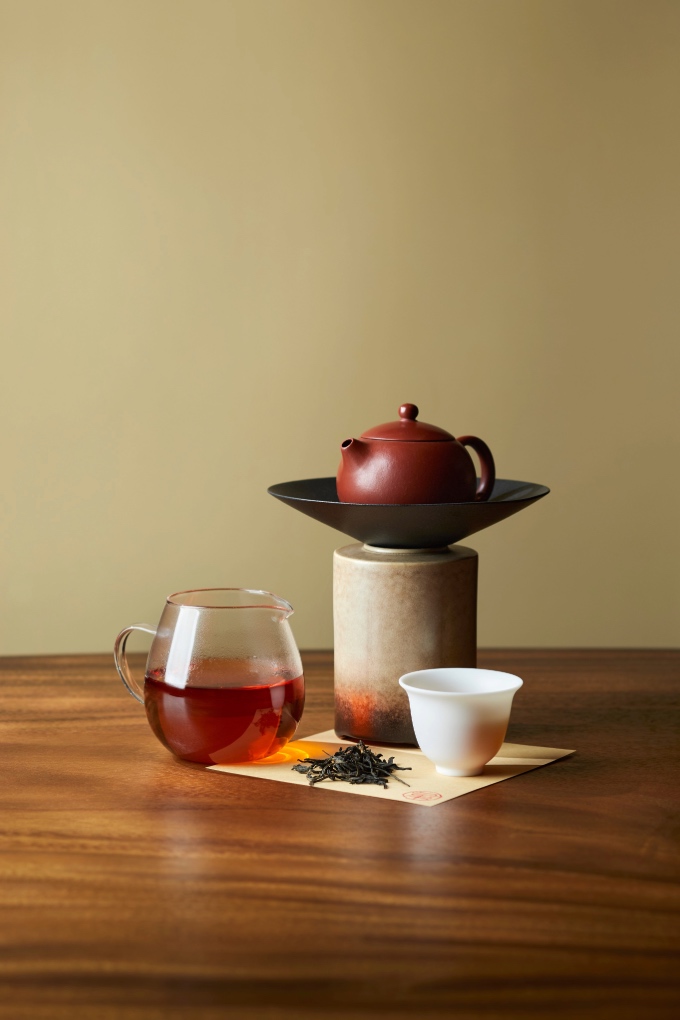
Then there’s Myanmar’s love for tea, reflected not just in the teahouse-inspired atmosphere but also in the items on the restaurant’s menu. “In Myanmar, we love our tea so much that we eat it too,” laughs Susan. In Club Rangoon, you’ll find not just laphet-yay (Burmese tea), but also laphet-yay ice cream, as well as laphet thoke—a fermented Burmese tea leaf salad.
“In Burmese cuisine, every household has its own twist on a dish.”
Fu chimes in, “Laphet thoke is interwoven with Burmese hospitality. When visiting other homes, you’ll find people asking if you would like a little tea leaf salad—kind of like how you would be offered tea.” Club Rangoon’s version of the dish features tea leaves from popular Burmese brand Sein Palaung, tossed with a tangy, refreshing mix of radicchio, cabbage and tomatoes, then topped with broad beans, garlic chips and roasted peanuts for extra crunch.”
Indeed, for those who have tried Burmese cuisine, Club Rangoon offers a fresh, contemporary take—and for those who have not, the restaurant is an introduction like no other. “As a Burmese person, I am extremely proud of my culture and cuisine, which remain elusive to the greater public,” shares Nelson.
Echoing this, Susan concludes, “It’s about carving out space for Burmese cooking, ingredients, and culture in the modern dining landscape. With Club Rangoon, we’re sharing the delicious flavours of our homeland—and while appreciating their roots and traditions, we’re also having our own fun with them.”
The October anniversary ‘Community’ issue of Vogue Singapore is available for sale online and in-store now.