It has been a year for the books. Looking back at 2025, the spring/summer 2026 season stands out as one of the most pivotal in recent fashion history. Yet beyond the collections, the very machinery of fashion has begun to move in new directions. As we step into 2026, it’s worth remembering that 2025 was merely the beginning—the moment when the gears first started to shift. The true outcomes of these changes are only just beginning to unfold.
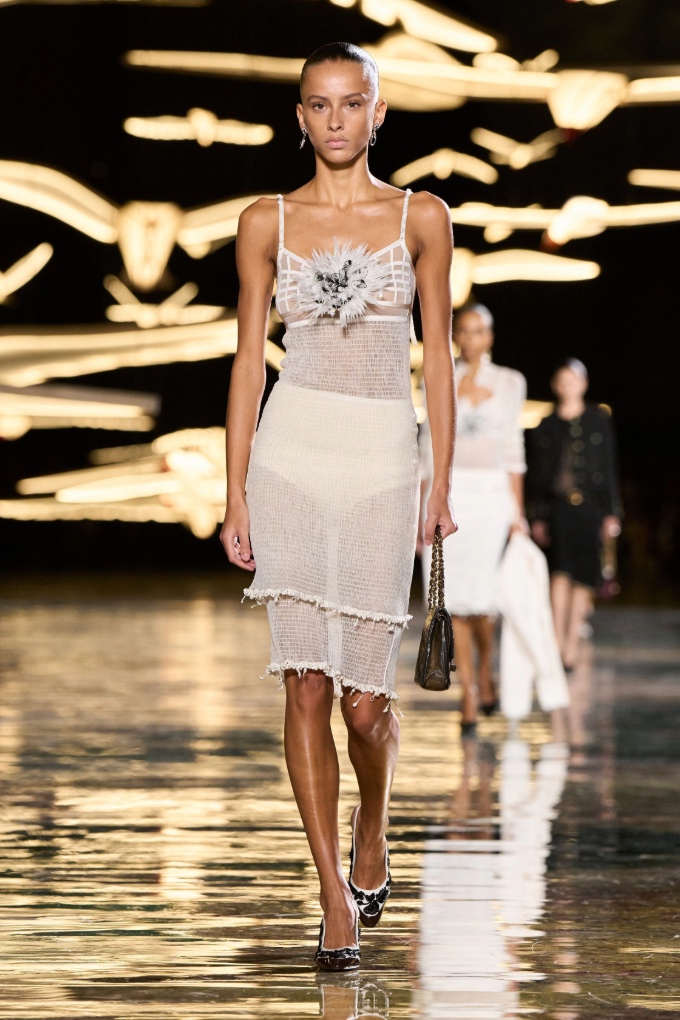
Some of fashion’s most established houses have undergone monumental transformations, from Matthieu Blazy’s move to Chanel to Jonathan Anderson’s appointment at Dior. These are more than creative shake-ups; they mark cultural turning points. How will the romance of the Chanel woman evolve under Blazy’s hand? And how will Anderson’s vision reshape Dior’s heritage? And beyond this, how will this change the way people aspire and identify with themselves?
It’s not just the industry that’s changing, audiences are too. It’s no longer enough to sell the latest handbag or pair of shoes; people are searching for something that is more resonant, more reflective of the times. There’s a growing appetite for exclusivity that extends beyond the things we wear to the experiences we take part in. From Vogue World to Prada Mode, and from global icons like Wimbledon to intimate experiences closer to home—the Bvlgari High Jewellery and Watch Trunk Show at the House of Tan Yeok Nee or the Louis Vuitton x Murakami Pop-up Café at Peranakan House in Joo Chiat—it’s all about invoking emotion that runs parallel to the brand itself, allowing people to feel part of it in a deeper, more immersive way.
Needless to say, fashion as we know it, no longer exists the way it once did. As we look back on the year, we distil the shifts, the turning wheels and what lies ahead. These are the eight key moments that have defined the industry this year.

1 / 8
It’s all about the experience
As products shift from desire to expectation, luxury brands turn to ‘experiential luxury’: moments designed to spark emotion, forge connection and leave a lasting impression. Globally, this takes shape in events like Vogue World or Wimbledon, where audiences witness moments in real time. In Singapore, it appears through limited-run experiences such as the Bvlgari Trunk Show at the House of Tan Yeok Nee, Prada Caffè at Ion Orchard, Louis Vuitton × Murakami Pop-up at Joo Chiat and Hermès’ Wings of Hermès—public yet fleeting, making them feel like rare, must-see moments.

2 / 8
The revival of the classics
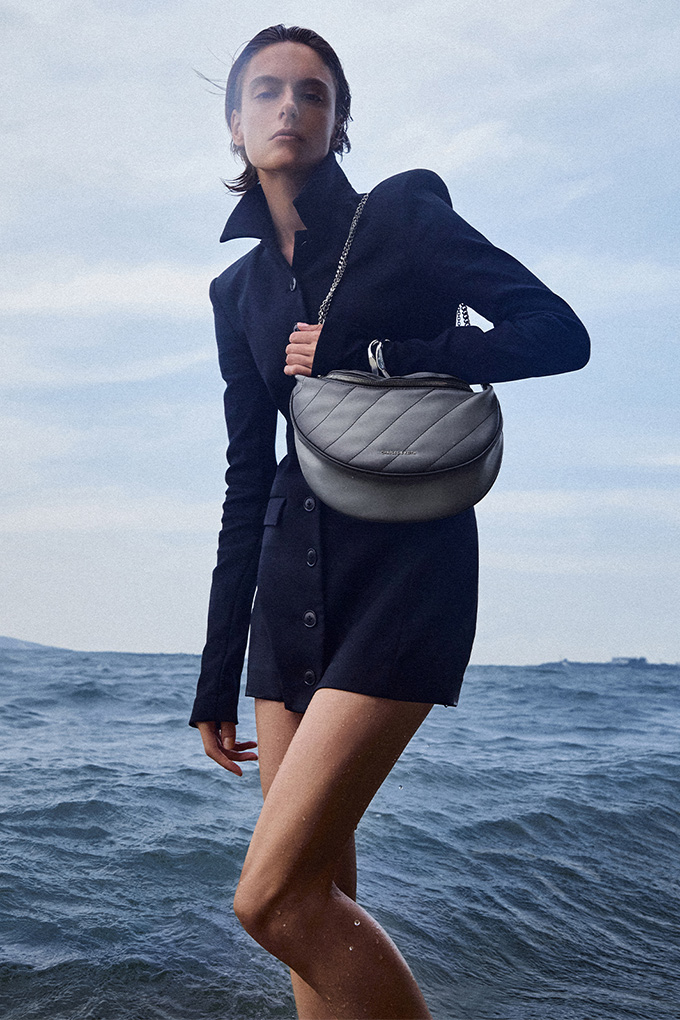
Following this trend, brands are mining their archives for the next must-have accessory. Exclusivity now means pieces that embody uniqueness, heritage, nostalgia and significance. With vintage shopping on the rise, luxury houses are revisiting signature codes and reviving cherished icons. Take Louis Vuitton, for example, which this year reissued Takashi Murakami’s iconic candy-dotted collaboration, bringing it back into the spotlight. The allure continues with Chloé’s slimmed down Paddington bag and Celine’s eastwest Phantom, now featuring a playful smile—both still perfect for a night out.

3 / 8
Fashion’s great shuffle
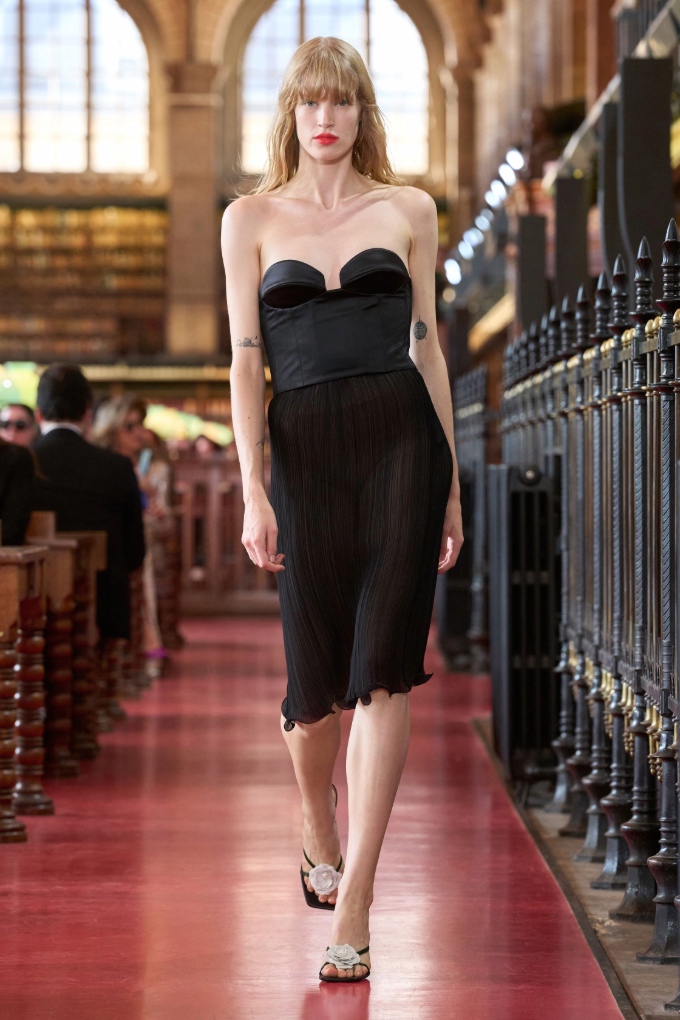
Spring/summer 2026: musical chairs meets survival of the fittest, as top houses and celebrated designers reshuffled. Grace Wales Bonner (Hermès), Maria Grazia Chiuri (Fendi), Meryll Rogge (Marni), Pierpaolo Piccioli (Balenciaga), Jonathan Anderson (Dior), Miguel Castro Freitas (Mugler), Jack McCollough and Lazaro Hernandez (Loewe), Demna (Gucci), Dario Vitale (Versace), Glenn Martens (Maison Margiela), Matthieu Blazy (Chanel), Louise Trotter (Bottega Veneta), Michael Rider (Celine) and Antonin Tron (Balmain) reshaped fashion’s leadership this season. With the season moving at lightning speed, even the most veteran insiders struggle to keep up.

4 / 8
The Met Gala 2025
This year’s Met Gala turned its gaze to Superfine: Tailoring Black Style, an exhibition honouring the rich history of Black dandyism. Black style—and the artistry, precision and cultural power behind it—finally took centre stage. Charting more than three centuries of sartorial expression, the show traced 12 defining characteristics of Black dandyism, offering a cultural roadmap as much as a fashion narrative. Co-chaired by A$AP Rocky, Colman Domingo and Lewis Hamilton, the evening welcomed an electrifying line-up of stars on the carpet, from Diana Ross and Rihanna to Pharrell Williams and Zendaya.

5 / 8
When online luxury hit a wall
Online fashion retail has faced turbulence recently. Matchesfashion shut last March, owing more than £210 million and leaving brands unpaid. Ssense , Matchesfashion’s younger, edgier counterpart, once appeared immune to changing luxury and vintage trends, but reality proved otherwise. The online retailer recently blamed tariffs for its struggles. Now under restructuring, it filed for bankruptcy protection amid investor sale efforts. The situation raises a couple of pressing questions: has the way we shop truly changed and is the website no longer the go-to destination for the ultimate fit?

6 / 8
The fashion watch party
Spring/summer 2026 brings a new phenomenon: fashion moments rooted in community, camaraderie, and the joy of shared, digital and democratic experiences. Elias Medini (Lyas) brought this spirit to life with La Watch Party, travelling through London, Milan and Paris. Across the season, he screened 11 shows—no golden ticket required. Anyone could join. The idea debuted at Anderson’s much-anticipated menswear show earlier this year. In Paris, it started around a laptop screen and grew into collaborations with Vinted and Mac. What began casually has grown into a communal ritual. This may well be the beginning of fashion as a spectator sport: open, accessible and surprisingly exhilarating. And for our part, we find the shift very interesting.

7 / 8
The passing of Giorgio Armani
Giorgio Armani stands among fashion’s most influential voices. He passed at 91, having started at Cerruti 1881 and risen to modern design prominence. He challenged gender norms, introducing soft menswear fabrics and the iconic women’s power suit worn by Julia Roberts. The industry bid farewell with Giorgio Armani: Milano, per amore, an exhibition and commemorative runway show held in the Courtyard of Honour at Palazzo Brera, where he lived and worked. Showcasing Armani’s enduring signatures, from relaxed tailoring to deconstructed suits, the tribute marked 50 years of an extraordinary legacy.

8 / 8
The rise of authenticity
This year, we witnessed the death of the ‘cores’—ballet core, tennis core, cottage core, coquette core and the countless niche archetypes that dominated our feeds. After a year of scrolling TikTok and discovering a new ‘core’ every fortnight, fashion started to feel more intentional, and far more personal. For one, the undying bag charm craze only grew bigger—a tiny, dangling clue that people were trying to carve out some semblance of individuality in a sea of sameness. With the social media microtrend era finally losing its grip, fashion has, ironically, begun to feel more freeing: an invitation for style mavens to tap into their own essence and move towards a fresh direction that feels more and more authentic.