The art-inclined cognoscenti in Asia have been spoiled for choice in recent years with the rise of several buzzy art fairs within the continent (Frieze Seoul, which launched in 2022, and ART SG here in Singapore, running since 2023.) Each has something unique to offer—and plugs some long overdue representation gap in the global art scene—but none, perhaps, can yet compare to the legacy possessed by Art Basel Hong Kong.
First held in 2013, Art Basel Hong Kong has today evolved into a well-established cornerstone of the contemporary art world—a principal annual event for collectors not just within Asia, but globally. The sheer scope of work shown at Art Basel Hong Kong is part of its allure. Here, you’ll find both global diversity and regional focus at the highest levels: a Jean-Michel Basquiat painting at one turn, a collection of ceramics by Takahiro Kondo at the next.
“Asian galleries have been bringing more historical context into their shows in order to reshape the narratives of modern and contemporary art from our part of the world”
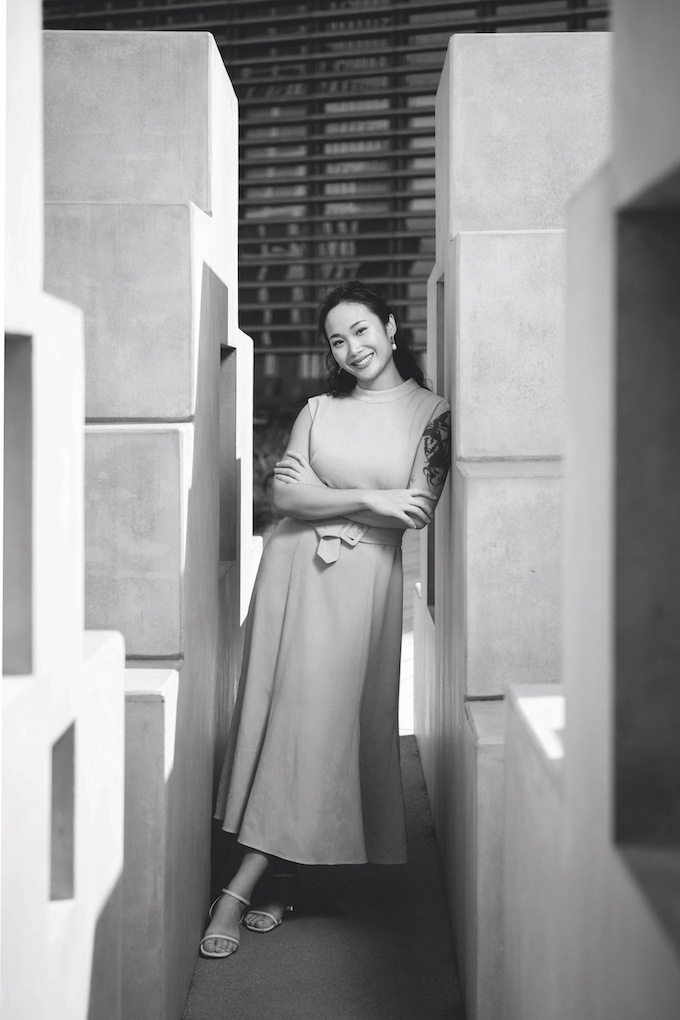
At the helm today is director Angelle Siyang-Le, who has been with the Art Basel organisation since 2012 and was appointed to the role in 2022. Passionate about carving out a versatile platform for Asian voices in the art world, Siyang-Le is steering the fair into a modern era, now that it is back in full form, post pandemic.
Her approach is guided by a strong desire to foster community across borders—and a keen awareness of the potential art holds in doing so. “As of late, Asian galleries have been bringing more historical context into their shows to reshape the narratives of modern and contemporary art from our part of the world,” she observes. “It empowers us to tell stories from our perspective, and that is the starting point for us when it comes to curating the fair.”
Ahead of this year’s edition, Siyang-Le sheds light on the curatorial strategy behind Art Basel Hong Kong, the highlights to look forward to, and what she sees as the biggest responsibility of her role.

How did your journey with art first start?
I wanted to become an artist as a kid, but my family—like many Asian families—didn’t really believe that I could make a career as an artist. So I thought, if I wasn’t going to be an artist myself, I wanted to work with artists and contribute to the community in another way. That led me to study modern and contemporary art history and to my career path. My journey started with simply loving art.
Tell us about the career path that led to your current position as director of Art Basel Hong Kong.
Early on in my career, I spent some time working in the Middle East. I was taking care of a private collection called The Farook Collection, as well as a public social space owned by the collector. He liked to call it a social space rather than an art space because he believed that art was for the community— I’ve believed the same ever since, and that idea has been a key influence on my career path. I started with the fair in Hong Kong in 2012, when it was still known as Art HK, the former self of Art Basel Hong Kong. I was taking care of Art Basel’s relationships with galleries in Asia for a period of time, then I was the head of development for Greater China. In 2022, I was appointed as the director for Art Basel Hong Kong.

What does your role as director of Art Basel Hong Kong encompass?
It’s quite a broad spectrum of things. In general, I oversee the strategy for the Art Basel Hong Kong’s development, including content and concept for the brand in Asia. Of course, I play a spokesperson and client-servicing role for our key stakeholders, which include galleries, collectors, institutions, as well as the city of Hong Kong. I also see an important part of my role in ensuring that our platform serves the greater art ecosystem, especially in Asia. Our mission is to become a connector in the art world, allowing different players to meet via our platform. Instead of calling myself a director, I tend to feel like more of a community facilitator. People call me sometimes to troubleshoot their problems or ask for advice. (Laughs)

Hong Kong exists at the intersection of such dynamic global forces—culturally, politically and socially. How does this influence the curatorial strategy behind the fair?
Hong Kong is always evolving, and we don’t have a fixed theme each year. We cannot pinpoint just one trend for the show. Instead we try to think about a general direction that feels relevant for the time. For example, 2023 was the first year that a majority of Asia reopened since the pandemic, hence our direction for that show was based on the idea of ‘reopening’. We focused on showcasing what Asia can do to the rest of the world. For the 2024 show, our direction was ‘reconnecting’. A year after reopening, we had realised that we were feeling the effects of multiple years of disconnection from the rest of the world due to COVID-19. So we focused on rediscovering artists, reintroducing galleries and helping them to reconnect with audiences through our platform.

What was the direction that felt most timely for 2025?
After lots of brainstorming with the team, we arrived at ‘repositioning’. We’re thinking about how the arts ecosystem is shifting and being reshaped. As of late, we’ve observed that Asian galleries are bringing more historical context into their shows in order to reshape the narratives of modern and contemporary art from our part of the world. It empowers us to tell stories from our perspective, and that is the starting point for us when it comes to curating the fair.
What are you most looking forward to at this year’s edition?
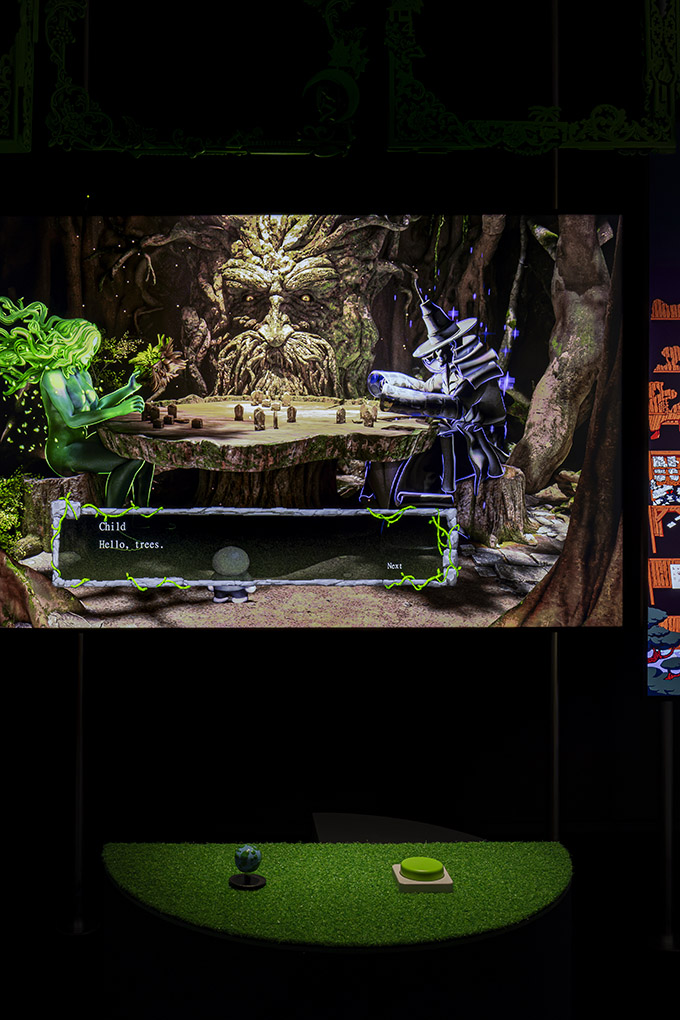
There’s so much I’m excited for. This year, we are having one of our biggest editions of the Encounters sector, which is where we house large-scale installations. Fourteen out of 18 of these large-scale installations are going to be premier works—made specifically for Art Basel Hong Kong. It is both nerve- wracking and thrilling as we wait to see how these productions are realised because of these in-situ conditions, but that boldness and innovation is also what we aim for.

Art Basel Hong Kong showcases a staggering number of artists from around the globe. Is it personally important for you to ensure that a diverse slate of voices receive the spotlight?
Absolutely. We think about Art Basel Hong Kong very differently from our other shows around the world, in Paris, Basel and Miami Beach. Because of our geographic location, we have always seen ourselves as a bridge—firstly between key cities around Asia where art and culture have been growing in the past years, as well as between Asia and the rest of the world.
This year, we have some really exciting regional artists coming to Hong Kong, especially many from the Asian diaspora community. One example is James Clar, a Filipino-American artist who is moving back to Manila from the US and now almost reintroducing his identity as an artist. Our Discoveries sector, which is dedicated to emerging artists, is small but very well curated. This year, we are also introducing the MGM Discoveries Art Prize, whose winner will be announced at the fair. The jury panel is full of reputable art world legends. I’m personally very excited to see who they pick out of the shortlisted artists.
Art Basel Hong Kong takes place from 28 to 30 March 2025.