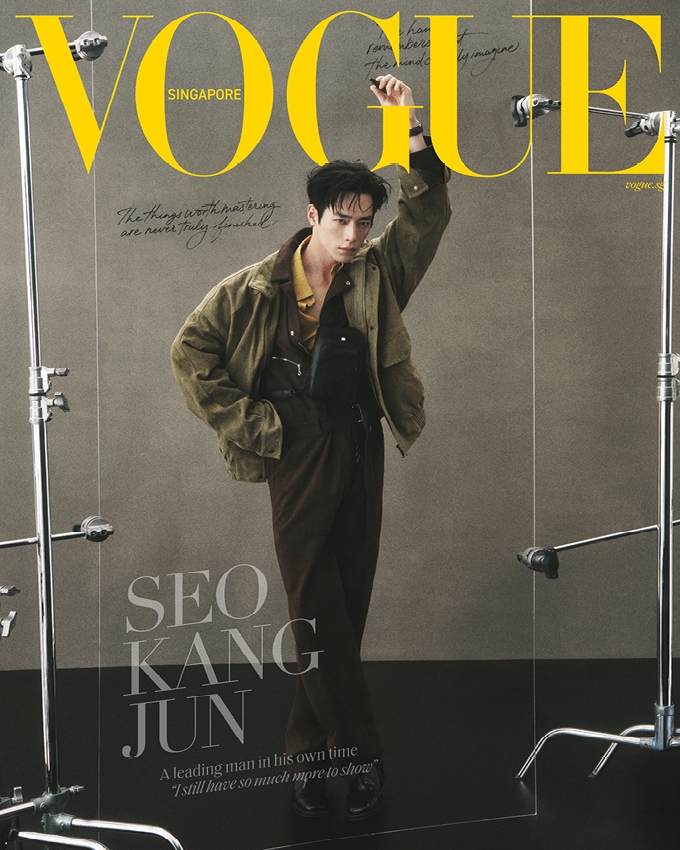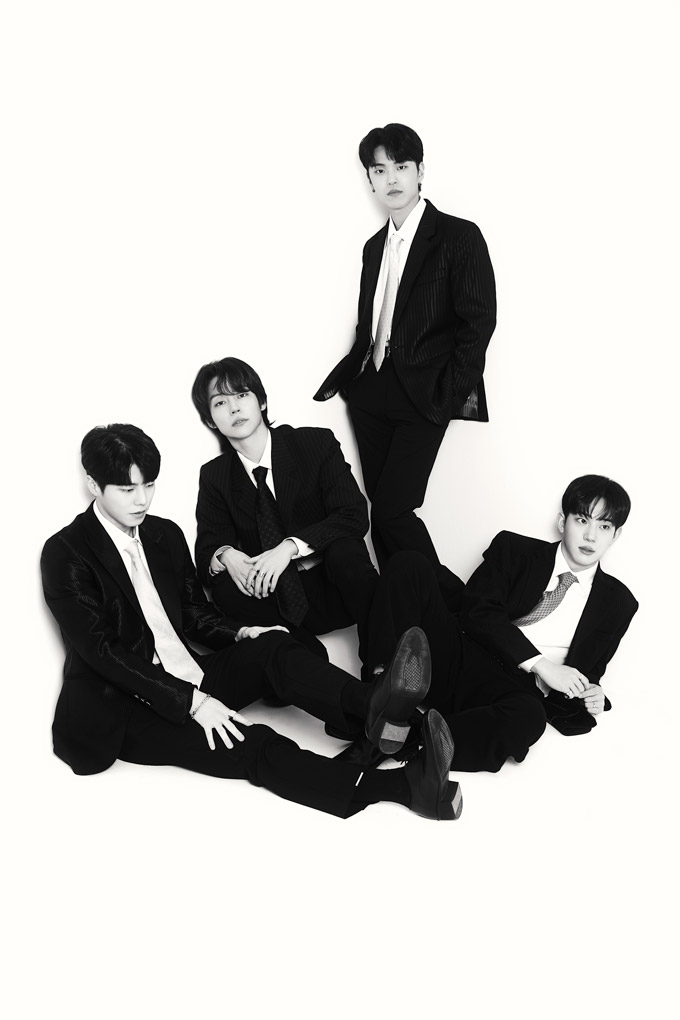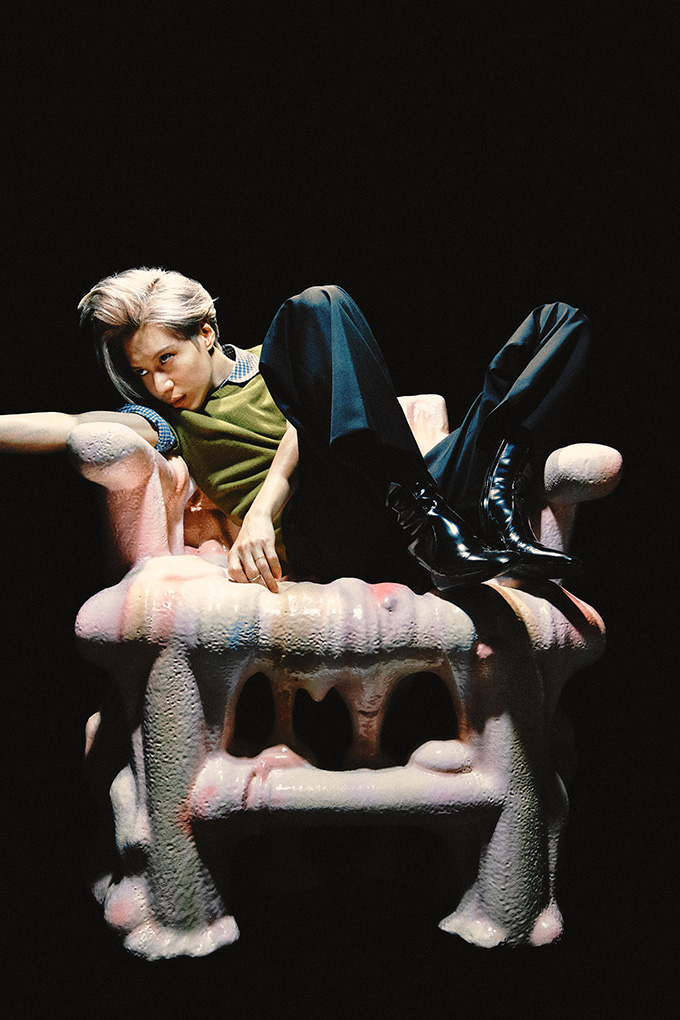
Taemin has done it again. The K-pop artist has just released his new EP Phase One: Soft Violence, but not before garnering some stellar firsts this past year. His Coachella appearance landed him the pleasure of being the first male K-pop solo artist to take over the global music festival. Meanwhile at the Grammy Museum, Taemin also became the first in his category to have a landmark exhibit there.
The global recognition is just the tip of the iceberg where Taemin’s career is concerned. He first debuted in 2008 as a member of K-pop group Shinee—who have a legendary tenure of their own—before venturing into solo stardom, where his creative expression, musicality and enigmatic presence took centre stage. It is this virtuosity that has made Taemin a maestro in his own right, setting a benchmark for his fellow K-pop successors or hoobaes (juniors). The ‘idol’s idol’, some might call him.

In Phase One: Soft Violence, Taemin’s artistry is explored through the different facets of love. The title track ‘Float’ opens the album with an uplifting garage beat of sweet synths before transitioning into the striking intensity of ‘Gooey’, perfectly illustrating the juxtaposition of the album title. ‘1004’ is a ballad for the yearners, while ‘Frankenstein’ is a pensive allegory on losing yourself to keep the one you love.
With distinct creative control over this EP, Soft Violence continues to be an exploration of Taemin’s versatility through different musical styles. Below, the K-pop soloist takes Vogue Singapore into the creative journey of this album and the legacy he wants to leave behind.
Congratulations on the new album! How are you feeling about this new comeback?
I feel really excited. As much as I’ve enjoyed preparing for the album and upcoming tour, I also felt a lot of pressure and had occasional nightmares in the days leading up to the album release. I feel like people will judge me for what I do, but with this album, I want people to truly understand the message that I’m trying to portray without it being misinterpreted or understood differently. My thoughts, language and expressions tend to be misconstrued, but overall I’m quite excited.
What can the fans and audience expect to see from you in this upcoming album?
There’s more creative freedom with this album. Previously, I’d choose from a repertoire of songs that were sent to me. This time, I was able to create the concept and key themes, sharing my own stories and point of view. I’m not defining who I am for the audience, but I’m expressing my thoughts and how I feel as an artist.

Which track do you think defines the album best?
This is such a tough question to answer! I’ll say ‘Float’ because I put more effort and affection into the song, and it’s also the title track of this album. But recently, I’ve been working on this new track that’s not on the album. I’m not sure how much I can reveal but it’s such a poetic song. It’s about loving someone who is very cold and skeptical, and loving them, they receive your warmth as you become colder. It’s a very poetic and romantic song.

Your new album ‘Soft Violence’ has a juxtaposed title, you constantly reference the concept of time, and your world tour is titled ‘Liminal’. What about power dynamics, time and space intrigues you?
Recently, I feel like I’m in the in-between a lot—spaces, boundaries, states of mind—and this album really conveys that. The visual cues found throughout express that as well: the time loops show that I’m stuck somewhere, trying to move away but I can’t. The word ‘liminal’ itself signifies that I’m in between states. In the visuals from Phase One: Soft Violence, you can see scares and injuries on my body. Some scenes show ants as well, as if something is eating me up. What I wanted to express through this album is that there may be some pain and hurt felt, but this work is a sign that I’ve moved away from that. This album is called Phase One because there’s a second phase in mind. With this ‘Liminal’ tour, I want to break away from the pain and move forward, showing the audience that I’ve transitioned from the past. I’m also working on other tracks for phase two as well, so stay tuned!
Creating this album was a response to your struggles and feelings of being stuck. What helped you get through those times?
When an incident happens, it’s not good to keep thinking about it right? Nothing is going to change; it’s already happened. But I still find myself repeatedly thinking about the past, even obsessing and getting stressed over it. Over time, I’ve found my own way of dealing with it—when something is done, I think about the options that I can take and opt for the best solution. Recently, I find myself taking notes of how I feel. Those notes then become key themes for my next work. So that’s become an integral part of my life. I turn those emotions into music. So I meet with the producers, bring my notes along and get to work. That’s how I create songs these days—taking my sadness and concerns and turning it into music.

Beyond making music, dance and storytelling play a prominent role in your performances. What inspires you to create? What challenges do you face when translating your vision into a tangible performance?
Making beautiful things is a challenge for me. For instance, the killing part in ‘Guilty’—where I put my hand through my shirt and over my mouth—can be seen as brutal or cruel, but I wanted to show it in a beautiful way. I pondered upon that choreography for a while—how far can I go? How much am I allowed to cross? If it goes too far in the other direction, people may take it negatively. But if it’s perceived well, the audience will love it and it could become a sensation. That’s something that’s always in the back of my head. And recently, I’ve been getting a lot of inspiration from AI. There are so many creative visuals made by AI that can’t typically be made by human beings. That new wave of AI short-form videos gives me guidance and inspiration.
“What I wanted to express through this album is that there may be some pain and hurt felt, but this work is a sign that I’ve moved away from that.”
You are known to be an ‘Idol’s Idol’. Looking back as a member of Shinee and a solo artist, what kind of legacy would you like to leave behind?
I really want to be a point of reference for someone, much like how I have many references for my own work. There are great movies like The Godfather or Titanic, and there are icons like David Bowie who have become great references. In the same way, I want to be an inspiration or reference to people. There’s a saying that people leave behind their name when they die and I really live by that. I know that many idols have mentioned me and I’m very thankful for that. I want to be a role model and inspiration for them as well. I feel like that’s my mission in life and that perhaps I was born to do that.

K-pop has changed so much since the 2010s and it’s also reaching a much bigger audience now. How has this changed things for you creatively and is there something you’ve learned about yourself the more you grow as an artist?
When I first debuted, I felt like idols at the time didn’t have a long lifespan. Korean fans were the primary audience. As the industry embarked on the K-wave and the market became global the lifespan of idols extended, so I was able to be active for longer and received more opportunities because of that. When I was younger, I thought the idol career would only last five years. So I told myself to just try this out, work hard, and reevaluate my path again at the five-year mark. But the market has changed incredibly ever since—I have a much wider audience now, with both Korean and international fans. I feel like I should try different ways of communicating with them. I guess that’s what has changed the most.