I’ve been scuba diving for over a year, logging in almost 70 dives across multiple trips. The first time I dived in the open waters of Tioman, I knelt on a sandy bottom and practiced my diving skills. Even then, with only a handful of colourful fish in sight, I knew that I had chanced upon something that most rarely get to experience in real life.
What stood out to me was the indescribable brilliance of the ocean. Professional ballerinas might exceed the expectations of human anatomy on stage, but when you watch a manta glide through water, there is only pure wonder. Colour takes on new meaning when you spy an octopus slinking under a rock. I found love in the spaces between two fish as they danced joyously into their home situated amongst coral reefs. But soon enough, my mind began to wonder: what was the science behind diving that made me keep coming back to it? My brain felt invigorated after trips, yet I also always felt strangely calm—as though all my anxieties had (literally) been washed away 30 metres under.
For those who enjoy descending into the depths below, diving offers an adventure unlike any other. It’s about entering a whole new world—while disconnecting with your own. The sounds you hear underwater alone are telling, from the crackling host of creatures living in the deep unknown to your own measured breathing as you control your movement and take in the sights around you.
Spending time in the great outdoors holds perennial importance for our minds and bodies—and a breath of fresh air can feel absolutely revitalising. But what about taking in a breath of air underwater? 18 metres below the surface of the ocean, perhaps the recreational scuba diver might have just figured it out.
Were my personal dives taking my health to unexpected heights (or in this case, depths)? Curious, I spoke to Sol Foo, professional diver and content and merchandising manager of Solitude World, a Singapore-based company that runs diving expeditions to understand more. Fun fact: she threw in the towel after her first dive. Today, she’s a certified Divemaster with over 30 years of experience under her belt.
View this post on Instagram
Let’s get physical
It comes as no surprise that lugging heavy (read: about 20kg) gear on and off boats can provide a bit of strength training, but the real work is done in the water. Similar to swimming, moving through the water provides constant resistance—especially if you’re fighting against a current. Your legs, core and shoulders remain engaged throughout each dive, making micro-adjustments to help you control your body. Being forced to actively think about these adjustments helps you build a stronger mind-muscle connection, translating into better muscle activation and greater potential for muscle growth in your regular workouts. All this to say that diving helps with muscle toning, flexibility, and cardiovascular endurance, with reduced impact on your joints. Physical activity and exercise are also known to release endorphins, the mood-boosting hormone—as you glide through the water you’re likely to find yourself in a much more pleasant and content state of mind.
If you’re looking to improve your breathing control, then don a wetsuit as soon as you can. Sol likens the long, deep and slow breathing technique to that required in yoga, which calms you before any other feeling can take over. Meanwhile, using your diaphragm this efficiently leads to an increase in your lung capacity over time, strengthening your respiratory muscles, and improved oxygen exchange in your body.
Sol also clarifies that diving helps build a sharper sense of awareness, stating, “The more you dive and master the skills involved, buoyancy included, the more attuned you become to your surroundings.”

Nourishing your mind
Before you’ve even descended, Sol asks you to consider your physical environment: “Time in the sun, salty air, and being immersed in the sea are all things that are commonly associated with real wellness benefits—sunlight for Vitamin D and the briny sea air for that sense of clean, easy breathing people often talk about. The sea itself has always had a kind of restorative reputation.”
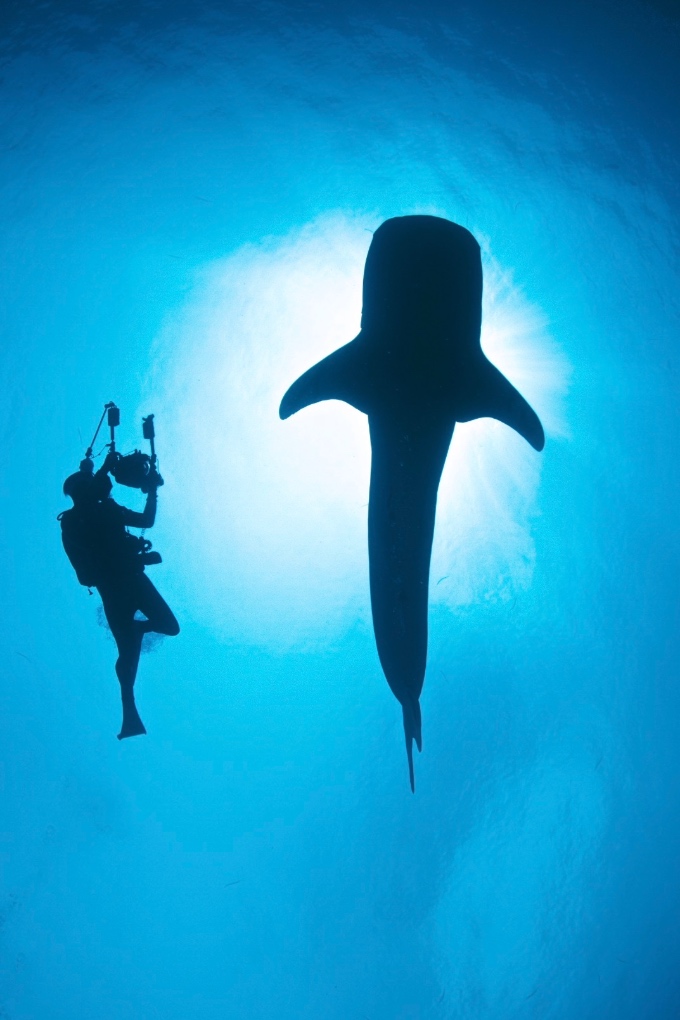
Whether you call it the ‘blue space’ effect or the ‘blue mind’ phenomenon, you’re going to feel it when diving. Think vast, endless blue, and a lack of overwhelming sensory stimulation. Creating profound visual impact, such an environment promotes a meditative and relaxed state. Sol clarifies that a very particular version of the phenomenon occurs. “Even when you’re in that calm state underwater, you’re still having to stay mindful of what’s around you. It’s a different kind of calm from ordinary relaxation—it’s an ‘alert calm’. I would say the effect goes noticeably deeper when submerged compared to simply being near the ocean. There’s something to that as well, but being underwater, at depth, takes it to another level entirely for me, mentally,” she says. This ultimately leads to the release of serotonin—and as you begin to spot marine life, find yourself hit with a bit of dopamine as well.
Diving can be extremely therapeutic for the mind and soul, promoting calmness and mindfulness. An environment peaceful like no other, you have no choice but to be (and stay) present. Slowing down means reduced anxiety, lower cortisol levels and an opportunity to reset. For Sol, diving evolved into a form of therapy.“All you hear is the sound of your own breathing and the bubbles you expel. And once you’ve truly mastered your buoyancy, that feeling of weightlessness is another level entirely—there’s nothing else quite like it,” she tells us. She goes on to say that being overwhelmed or negative feelings doesn’t affect her as much as it used to; that finding an inner tranquility is what diving has taught her.

Diving is as much of an exercise for the brain as it is for the body. Sol tells us. “At the start, there was so much to hold in your head—remembering your drills, staying calm when you didn’t feel calm, adjusting to changing pressures, and dealing with any fears. As I got more comfortable in the water, I started to actually notice the environment around me instead of just surviving it, and loved it.”
Scuba diving requires a lot from both the body and mind, but it can be an exciting new adventure for you to embark on. If you’re in the market for a new hobby, or are simply looking for a new way to de-stress, consider descending into the deep blue.