The year was 2012. Fresh off the worldwide phenomenon that was The Twilight Saga and its final film, Breaking Dawn Part Two, everyone knew the name Robert Pattinson. In a matter of a few years playing the irrevocably devastating vampire Edward Cullen, the Brit actor shot to fame—for better and for worse.
As far as the media and public scrutiny of Twilight went, Pattinson was Hollywood’s leading heartthrob. But not without the outcry that came hand in hand with playing out every teenage girl’s favourite blood-thirsty vampire. From its memorable one-liners to its indisputable colour-grading, the first Twilight film was dissected to pieces and so was Pattinson’s performance. And that’s the thing about a teen phenomenon, you get an instant popularity hit that makes you one of the most recognisable faces in the industry but reduced and discounted as an actor. Pattinson fell prey to that; even following the Stephanie Meyer saga, his performances in films like Remember Me and Water for Elephants failed to outweigh his reputation as the sparkling 101-year-old vampire.

“This is the skin of a killer, Bella.” “You better hold on tight, spider-monkey.” There were lines, internet memes and monikers that were persisting and never relenting, even years after Pattinson was developing himself further as an actor. The cultural impact of Twilight loomed large, and still does to a veritable extent till this day.
Perhaps, this is what urged the actor to pivot differently, by choosing to later star in independent films like Cosmopolis and The Lost City of Z. His decision to veer arthouse in lieu of blockbuster resulted in a filmography that looked quite different to what could have initially transpired post-Twilight. For years, you could hardly find him in the top headlines. And it was only until his next act, portraying a seedy criminal whose life gets upturned following a heist gone wrong in The Safdie Brothers’ Good Time, that ended up turning the tide for the actor.

So people took notice. Amongst acclaimed directors and critics, by people, I too mean, myself, who had been a Robert Pattinson defender since I first witnessed his tragic death as the dashing Cedric Diggory in Harry Potter and the Goblet of Fire. Watching him in Good Time was probably the first time I realised how far he had come from Twilight, despite being the perfect Edward in my eyes.
Then, things sped up for the maestro. One being more isolated after another and at times, strange—albeit those who know of Pattinson’s eccentricity and at times self-deprecating demeanour will be able to reconcile his choices in his career.

A vacant father in sci-fi film High Life. A deranged lighthouse keeper in Robert Eggers’ psychological horror The Lighthouse. A perverse priest in The Devil of All Time, where he gave viewers a little glimpse of unorthodox voice acting with a divisive Southern accent. He also made time for a voice dubbing debut as the manic heron in the animated feature of Hayao Miyazaki’s The Boy and the Heron. Like the actor’s personal life, his impact in the film circuit still remained reasonably quiet despite the well-lauded projects he had been taking on. And after more than a decade, Pattinson made his return to big-budget pictures—unsurprisingly drawn out by Christopher Nolan, where he starred as a supporting role in Tenet.


That Nolan nod of approval was ultimately the harbinger to his next big gig after all: the successor to Matt Reeves’ Batman. It was a risky move that could potentially break whatever he had built so far, but shy of the emo Batman jokes, Pattinson’s iteration swung so different and largely fresh from the untouchable Christian Bale or classic Michael Keaton, so much so that diehard comic fans were actually appeased.

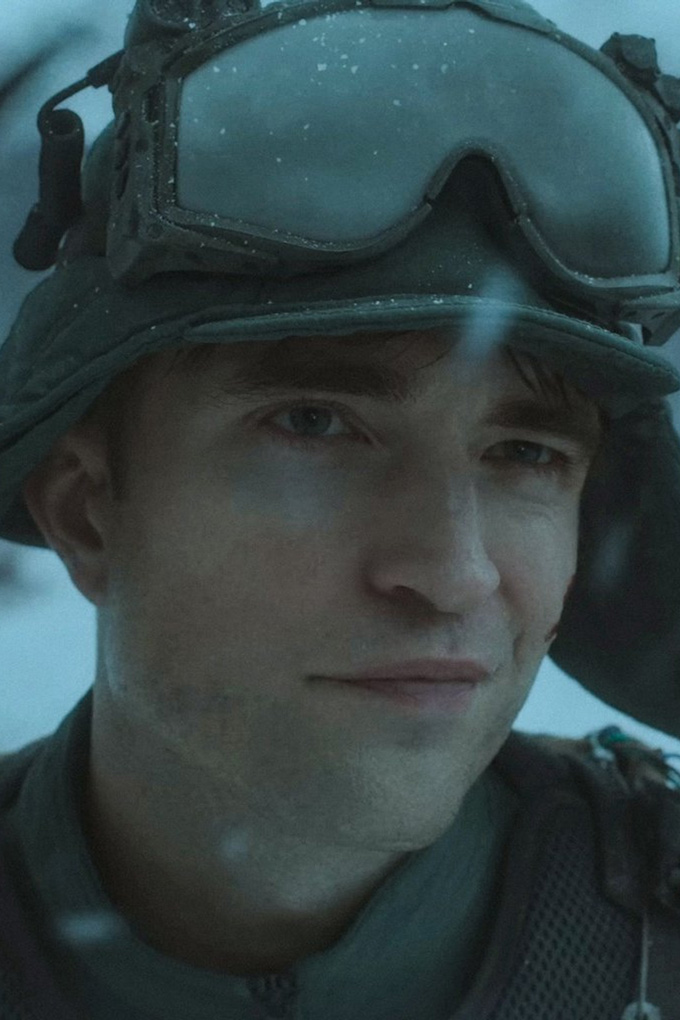
None would have thought the actor’s next blockbuster, aside from his imminent reprisal of Gotham’s superhero would have come so soon, but with Bong Joon-ho on the director’s seat, it’s easy to see how Pattinson eagerly lurched at the chance. And so Mickey 17 was conceived; Pattinson taking on a lead role like no other in the sci-fi dark comedy, as an ‘Expendable’ Mickey Barnes who dies over and over again in the name of science and future mankind. In Bong’s words, the role was “impossible to play” and upon first meet, the auteur knew he found his Mickey in Robert Pattinson. “I found this goofy side to him, and I had already known how incredible he is as an actor from films like The Lighthouse, The Batman, and especially Good Time by the Safdie brothers. I already knew he had a wide range. As I was adapting the story into my script, I added a lot of detailed descriptions about the character. But no matter how detailed they are, in the end, they’re just words on a page. It’s really up to the actor to breathe life into these characters. And really, Rob brought in so much of his own creativity and so much of his own ideas to add detailed nuances to the characters. I was so surprised and impressed by everything he contributed to the characters and the film,” remarks Bong.


In Mickey 17, you’ll get to see Pattinson joyously riding out the most reckless and unbridled stint of his career—once again putting out another class act of voice acting and transforming himself into an apologetic, broken and effortlessly humorous being as Mickey 17. Mickey 18, on the other hand, complex, darker and instantly distinguishable thanks to Pattinson. Together on screen, the duo are a force with the actor’s range expounded, stretched and put on display for the world to see.
As a longtime fan of the actor, I’m basking in the glory of the long overdue and now-mainstream praise that Mickey 17 has brought on. In fact, there’s more to await. From a romantic drama with Zendaya and a highly-anticipated film adaptation of the novel Die, My Love opposite Jennifer Lawrence to an undisclosed role in Nolan’s next big thing The Odyssey, it seems the best has yet to come for the movie star.
Mickey 17 is now showing in theatres.