He is coming. After a gruelling two-month wait since its global release, Robert Eggers’s latest masterpiece Nosferatu has finally hit the big screens in Singapore. The fourth addition to the American filmmaker’s acclaimed filmography and a remake of the original 1992 classic, Nosferatu is a visceral 132-minute treat for longtime fans of the folk horror genre.
Outside the award-worthy performances from the star-studded cast, the costumes proved to be a impactful aide throughout the film. Breathtaking, detailed, and painfully accurate in depiction of the time period that the film was set in, it was a masterful display of the synergy between Eggers’s and his longtime costume designer Linda Muir, who has been with him from the very beginning of his career. Talk about an Academy Award snub.
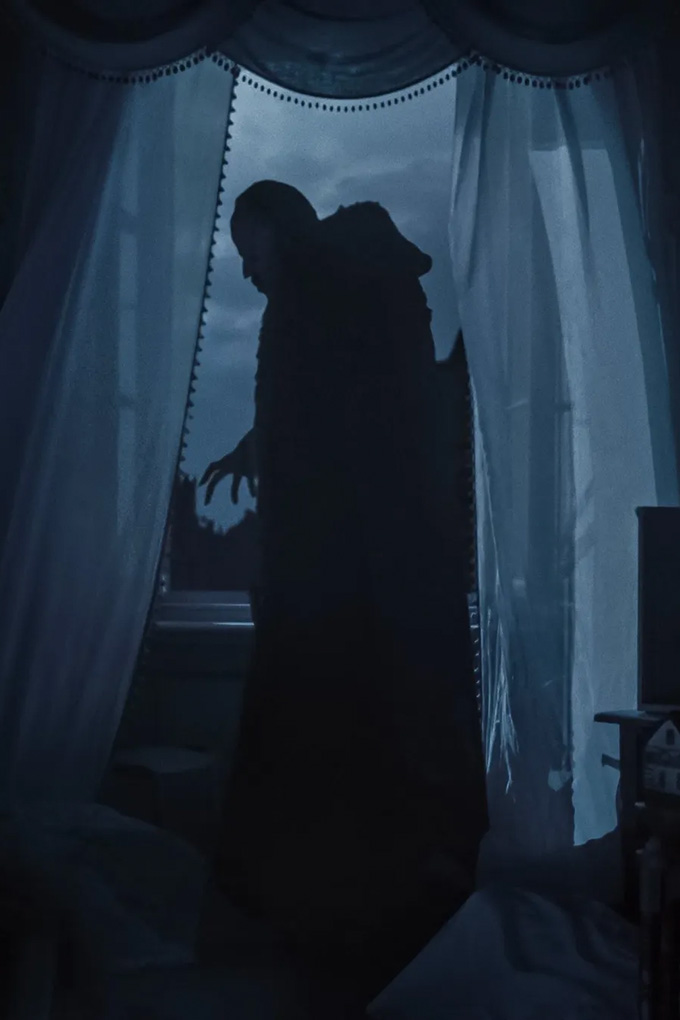
A key costume to focus on would undoubtedly be that of the fearsome Count Orlok, played by the inimitable Bill Skarsgård. An ensemble filled with nuanced references to his storied past, the costume also takes inspiration from traditional garb worn by Hungarian and Polish lords from the 17th century. There was a sense of regality and otherworldliness to it, and was perhaps also a sweet little homage to Bela Lugosi, the Hungarian-American actor who played the first Dracula. The result was a portrayal that was deeply haunting yet strangely beautiful; a seamless middle ground of Bram Stroker’s Dracula and the gruesome reign of the former prince of Walachia Vlad Tepes (better known as Vlad the Impaler).

This seamless balance of meaningful storytelling and sheer terror is what makes Eggers’s latest contribution to the already-loaded genre fascinating, reinventing the wheel on not only vampire wear, but also a further exploration of the centuries-old history behind gothic style and its garb. On the sartorial front, it’s clear that Muir and her team left no stones unturned (or necks unbitten) when it came to sourcing the perfect period-appropriate textiles, rooting her approach in literal 19th-century German textile books and one-of-a-kind vintage pieces to devise an entirely new vision of what a vampire film should look like. With an acute level of attention paid to the way the clothing reflected candlelight while sinking into the shadows, Orlok’s scenes were a constant push and pull of what was shown and what was left hidden.
Below, a tight curation of the cornerstones that made up Orlok’s wardrobe, should you wish to do your best vampiric impression at this year’s Halloween.


3 / 10
Celine archival leather coat, $2,642
Available at Vestiaire Collective.

4 / 10
Vintage Chanel fur scarf, $916
Available at Vestiaire Collective.