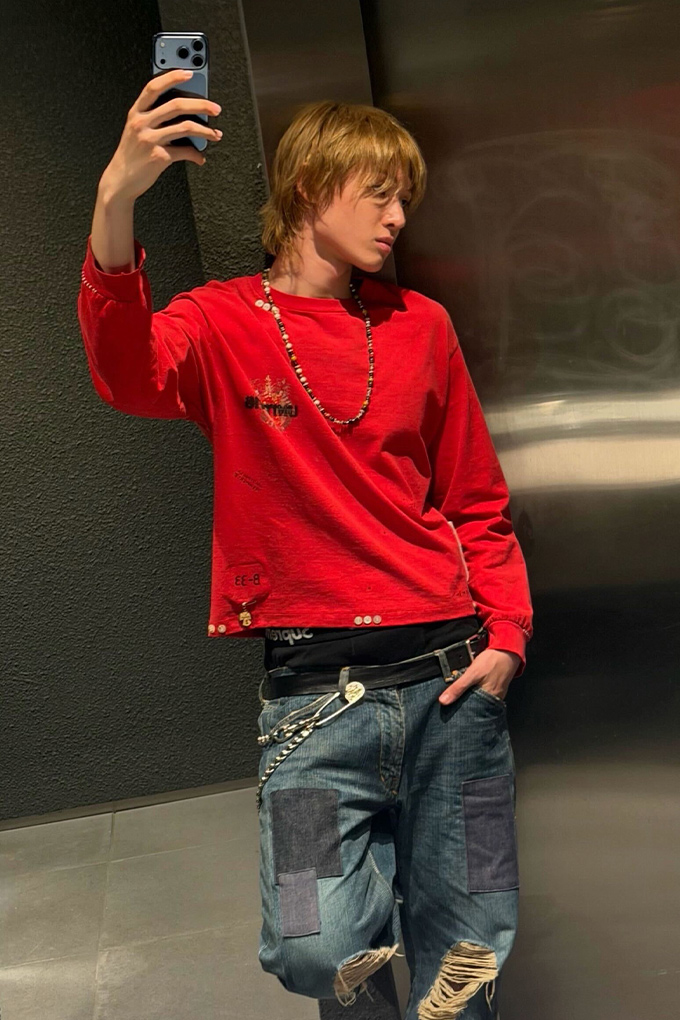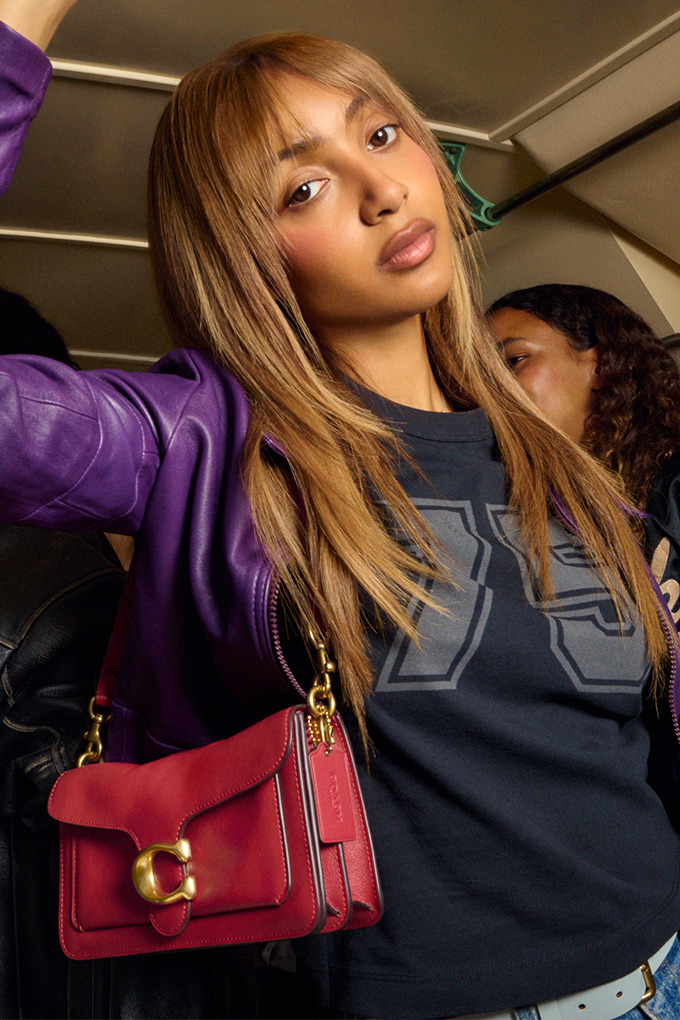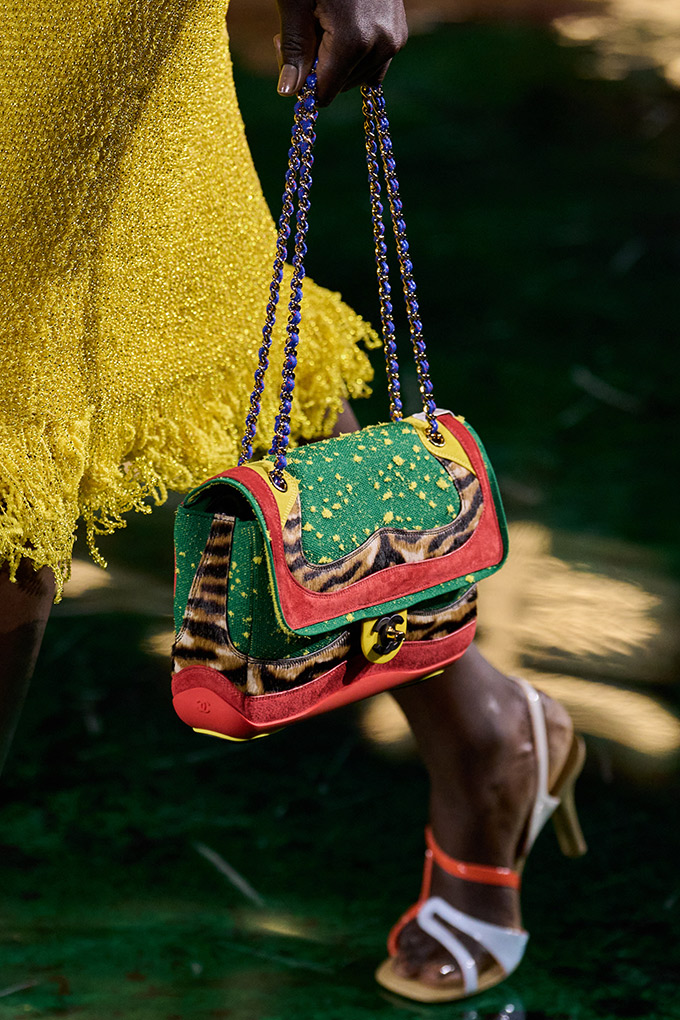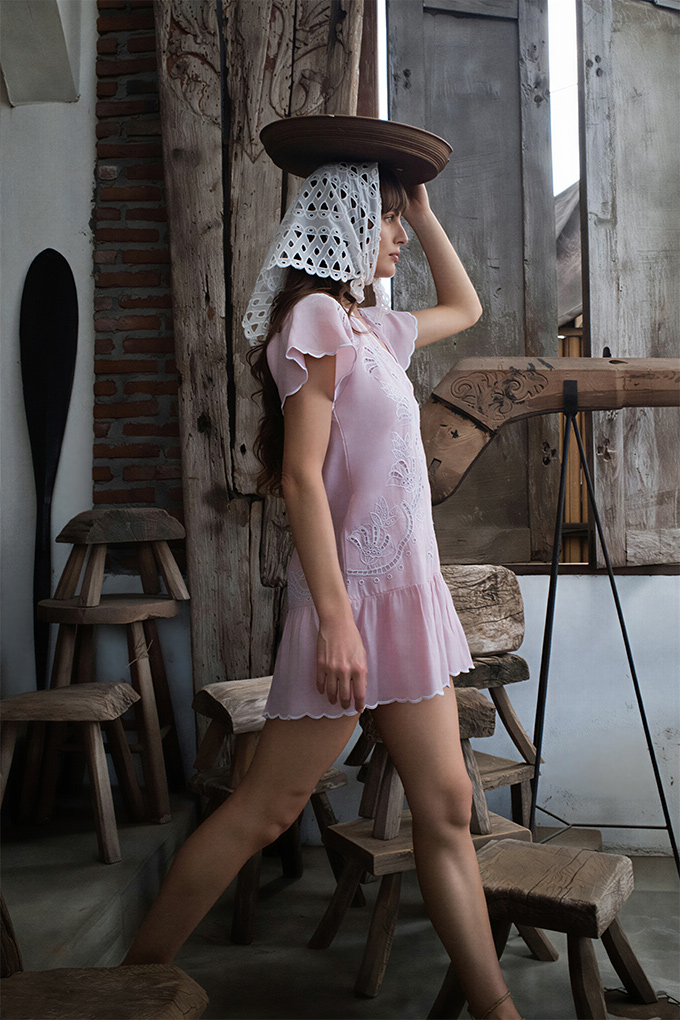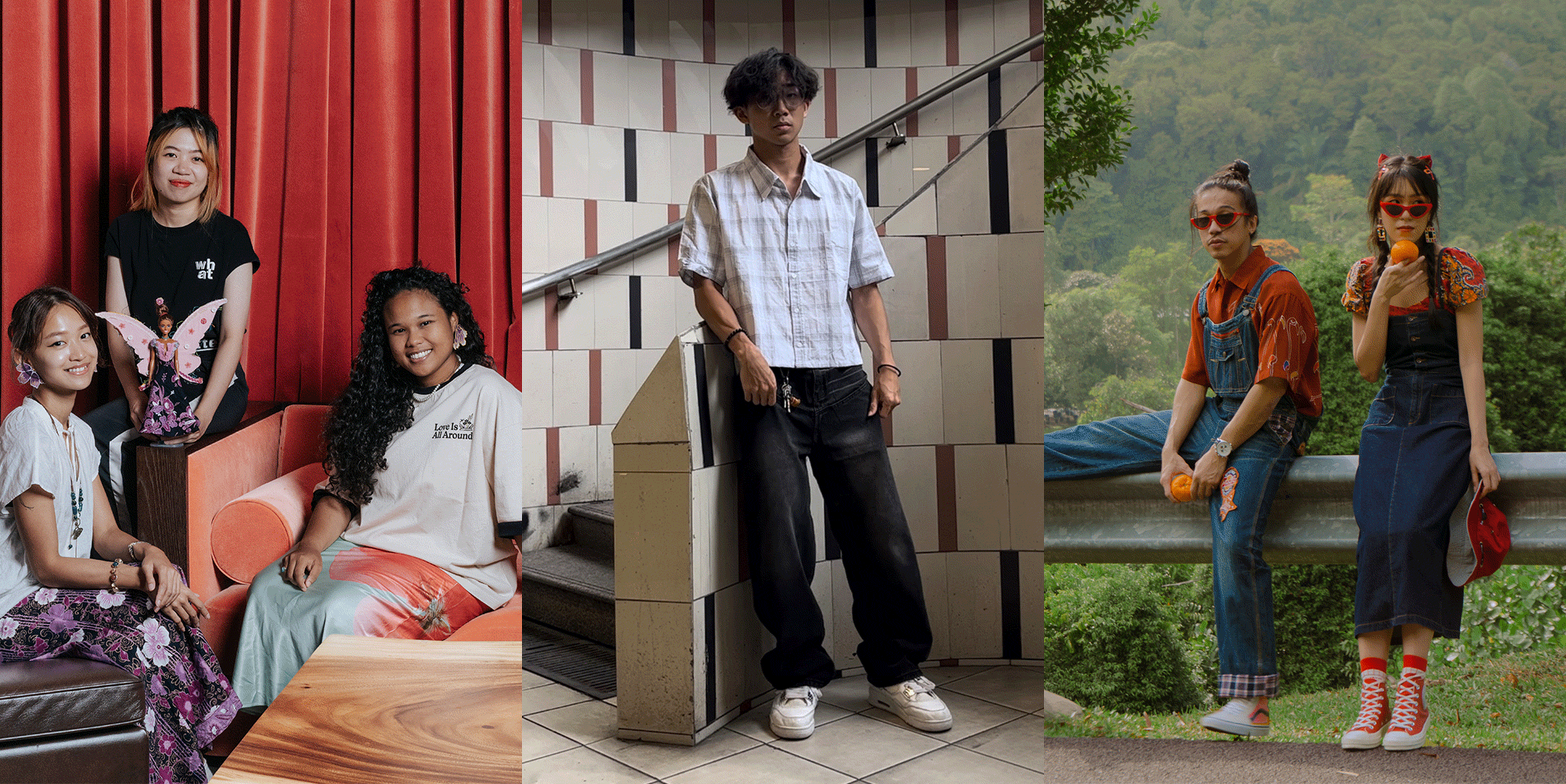
There’s no huge manifesto here—just a group of young, sharp-minded designers working with what’s in front of them, whether that’s upcycling clothes found in bulk shipments, factory off-cuts sold by the kilo, or deadstock fabrics from an industry that overproduces by default. In Singapore’s tightly woven fashion ecosystem, a quieter movement has been gaining ground, beginning with what’s already there: cast-off jerseys, unloved pants, leftover bolts from someone else’s production line.
Three homegrown brands are found at the heart of this shift: Vintagewknd, Commenhers, and Upcycler Studios, each reworking the rules in their own distinctive way. For some, it began as a weekend hobby, while for others, a response to the mounting piles of clothing waste accumulating behind closed doors. Today, they’re upskilling communities and reshaping business models, all while doing a trial and error of what circularity can look like in practice. At Vintagewknd, racks of garments trace their origins to discarded textiles—military vests, linen sheets, obsolete uniforms—now reimagined into wearable capsules that bridge eras and aesthetics. Meanwhile at Commenhers, upcycling sits alongside repair, resale, and community programming: a design process that’s open-source, ever-evolving, and deeply collaborative. Upcycler Studios comes in with a genre-less point of view, guided mainly by the fabric handed to them each week.
As each brand builds its own small-scale system with clothes that are adaptable and deeply intentional, they’re slowly stitching together a more grounded, more thoughtful way to dress. Below, Vogue Singapore speaks to three buzzy brands championing sustainability in the local sartorial scape.

1 / 3
Vintagewknd
Could you briefly introduce your brand and share how it all started?Vintagewknd is the largest sustainable vintage and textile rework store based in Singapore. We curate and create one-of-a-kind vintage and reworked pieces in a wide variety of styles, striving to spread the message of sustainability through inclusive items for people of all ages, sizes, and style preferences. Since 2015, we’ve upcycled over 60 tonnes of textile waste and rehomed over 130,000 items.
The idea began with co-founders Eileen Tan and Eden Tay during a backpacking trip across Europe and Asia. Their love for old things and the potential to modernize them led to selling curated vintage on Carousell. In 2018, we launched our first rework collection, transforming waste into trendy, wearable designs. Today, we’re a staple in Singapore’s sustainable fashion scene, celebrating relatability, positivity, and community.
What first drew you to sustainability and upcycling as a creative direction—was there a particular moment that sparked it?
In 2018, when Eileen and Eden committed to Vintagewknd full-time, they visited a textile waste facility and were shocked by the sheer volume of discarded materials. That moment sparked the idea of reworking textile waste into on-trend clothing, not just vintage resale. It pushed us to go beyond curating and start reimagining textile life cycles, eventually leading to upcycling not only fashion but also home textiles and even corporate waste materials.
Could you share more about your designs and creative process, and how your aesthetic has developed over time?
We don’t have a specific aesthetic at all, and for us that’s the beauty of our creative process. Based on the textile waste that we come across and the current trends, we design and create products that align with current trends. We also take in a lot of customer feedback and adjust our designs, sizing and new products to suit the needs and wants of our audience. Where other brands typically focus on a single style, our signature chaotically colourful, genre-bending designs are the go-to for people who wish to discover one-of-a-kind pieces in a variety of different aesthetics. We don’t believe in selling products based on the sole value of it being sustainable, we believe that in order to create changes at scale we must first create the desire for change to occur. This has been our philosophy since Day 1.
Upcycling often involves working within constraints. What are some hurdles you’ve faced, and how have those boundaries shaped or inspired your creativity?
Working with waste consistently tests our creativity, and the biggest hurdles we face are definitely the cost as well as the complexity of production, as well as the difficulty of scaling our sales processes. Due to the one-of-a-kind nature of our products, we are unable to produce and shoot one product while selling multiple quantities of it, which makes our work very resource-heavy and complex. Over the years, we have devised our own unique processes and strategies to combat some of these issues, however it will always remain a lot more complicated compared to other brands.
Could you walk us through a recent piece or project that felt especially meaningful to you?
Two projects stand out: Firstly, our “Trashion Show” with the Ministry of Sustainability, featuring a diverse range of models to represent various sustainability pillars—Waste, Food, Nature, etc.—attended by Minister Grace Fu. Second is our collaboration with Gain City for SG60, where we created a textile sorting installation and upcycled canvas banners into plushie keychains inspired by Singaporean snacks.
From your perspective, how has the appetite for sustainable fashion evolved in Singapore—and what kind of future are you hoping to build through your work?
Over the years, we’ve definitely seen an increase in sustainability awareness for consumers. That being said, we feel that the support for local brands still has a long way to go. We hope to see a Singapore that has a strong culture of support for local brands, artists, food and culture that we can all be proud of! For Vintagewknd, we just hope to continue to rescue textiles from landfill at a hopefully exponential rate, and to combat fashion waste in our own creative way.
What’s next?
Our goal is to make a bigger impact in sustainability by increasing our contribution to reducing waste in landfills at a faster rate, as well as spread more awareness on conscious consumerism and sustainable options. To make this happen, we look forward to working alongside bigger brands and corporations to help upcycle their waste, speak on sustainability and spread the message of sustainable living more effectively.

2 / 3
Commenhers
Could you briefly introduce your brand and share how it all started?Commenhers is a sustainability-focused creative upcycling studio transforming textile waste into innovative products. We champion circular design, education, and community engagement, offering B2B upcycling, workshops, and employment to local makers. We’ve upcycled over 10,000 items, supported 90+ makers, and held over 70 workshops.
The idea grew from my personal background—surrounded by secondhand culture and family stories of my grandfather, a road peddler at Sungai Road. But the turning point came during COVID-19, when I learned that thrift stores were discarding mouldy clothes due to lockdown closures. That moment, along with deeper research into fast fashion’s environmental impact, led me to commit fully to this work.
What first drew you to sustainability and upcycling as a creative direction—was there a particular moment that sparked it?
I’ve always been surrounded by secondhand culture—my parents regularly bought pre-loved books and clothes, so the idea of reusing wasn’t new to me. Moreover, I was also deeply involved in community service from a young age, constantly looking for ways to create meaningful social impact across different groups.
But one particular moment that shifted my mindset happened during COVID-19. I remember hearing that thrift stores were forced to discard large amounts of clothing—many of which had turned mouldy during the circuit breaker, simply because no one could buy them.
I was shocked to learn about the environmental costs—how fast fashion contributes to water pollution, labor exploitation, and carbon emissions. In Singapore, we recycle only 2% of our textile waste. That figure haunted me. Where does the rest go? That question—and the uncomfortable truth behind it—became the spark that led me to explore sustainability and upcycling as a creative and purposeful direction.
Could you share more about your designs and creative process, and how your aesthetic has developed over time?
As someone with dyslexia, art has always been my escape—a way to express thoughts and emotions that words sometimes couldn’t capture. Art deepened my understanding of design, teaching me to draw inspiration from the natural world and to value the process just as much as the outcome. This mindset has shaped how I approach my work today. In upcycling, I don’t just see materials as waste—I see stories waiting to be retold. Each piece holds history, and my role as a ceo and co-founder of Commenhers is to honour that, highlight its unique features, and give it a new beginning. I’ve come to believe that good design isn’t only about aesthetics; it’s about intention and substance.
My recent involvement in marine conservation through the NUS College Impact Experience project strengthened this belief. Witnessing textile waste pollute coastal ecosystems reminded me that design carries responsibility. It affirmed my commitment to creating with care, using design as a tool not just for beauty, but for storytelling, sustainability, and change.
Upcycling often involves working within constraints. What are some hurdles you’ve faced, and how have those boundaries shaped or inspired your creativity?
The unpredictability of materials made SOPs difficult to implement initially. But working with textile waste has pushed me to think more critically and creatively. I began collecting data from past projects and using simple analytics to identify patterns and develop flexible systems that could still support repeatability. I now design based on what I have, not what I wish I had—and I encourage my team to do the same, making use of every element, from fabric scraps to embellishments.
These constraints, though challenging, have become a source of creativity. They force us to innovate and consider not just the final product, but also the process—especially whether our makers and beneficiaries can execute the design. Every project becomes a chance to rethink what’s possible and to grow both creatively and operationally.
Could you walk us through a recent piece or project that felt especially meaningful to you?
One particularly meaningful project was our collaboration with Decathlon, where we transformed unconventional materials—like discarded kayak fabrics—into retail-ready products. This long-term partnership allowed us to scale our production while challenging the perception that upcycled goods have to look raw or overly experimental. It was a pivotal moment for us in proving that upcycling can be both functional and marketable.
Another project close to our hearts was Eco Fashion Weekend 2025, where we had the chance to lean into our creative roots. We upcycled PPE uniforms from the Tuas Incineration Plant into utilitarian womenswear, which made its way onto the runway. It was exciting to translate industrial workwear into something fashion-forward and expressive.
From your perspective, how has the appetite for sustainable fashion evolved in Singapore—and what kind of future are you hoping to build through your work?
I do see more people in Singapore trying to be more conscious in their clothing choices, which is a great step forward. There’s growing curiosity around thrift shopping, upcycling, and supporting local sustainable brands. However, many still associate sustainable fashion solely with expensive price tags or minimalist aesthetics, which limits wider adoption. There’s also a misconception that donating clothes or buying secondhand alone is enough, when in reality, systemic change requires rethinking how we produce, consume, and value clothing altogether.
Through my work with Commenhers, I hope to challenge these notions and build a future where sustainability is accessible, creative, and community-driven. We focus on transforming textile waste into meaningful products and engaging the public through hands-on experiences, so people see waste not as a burden, but as a resource. Ultimately, I hope to nurture a generation of changemakers—especially youth and makers from diverse backgrounds—who feel empowered to reimagine fashion as a force for environmental and social good.
What’s next?
Growth—with purpose. We hope to continue scaling our impact by hiring more beneficiary makers, fulfilling our long-term upcycling projects, and designing elaborate engaging upcycling workshops for bigger projects. We’re also looking to expand our team and collaborate with like-minded individuals who believe in creative sustainability. Ultimately, we want to inspire more people to see value in waste, and build a future where circular design and community-driven change become the norm.

3 / 3
Upcycler Studios
Could you briefly introduce your brand and share how it all started?We’re Upcycler Studios, a local vintage store specialising in curated vintage pieces and original designs created by transforming discarded materials into unique fashion. The journey began with a simple want—I needed an upcycled Nike crewneck for myself. When you deconstruct four crewnecks to create one new piece, you inevitably have leftover materials. Rather than waste them, I had additional pieces with similar designs made and started selling them on Carousell. Fast forward 3 years, and I now run a physical store at Peninsula Shopping Centre.
What first drew you to sustainability and upcycling as a creative direction—was there a particular moment that sparked it?
The turning point for me came after designing and getting my first batch of upcycled Nike crewnecks done. When I first started designing and selling upcycled clothing, I felt that Singaporeans often had a stigma towards secondhand clothes, having heard my family and friends label vintage stores as “smelly” or “filthy”. I didn’t see upcycled clothes in that light, instead I saw them as one-of-a-kind and garments that people can and connect with. I remember my father would talk about his Ralph Lauren jacket or his biker jacket with genuine pride and attachment. Upcycled clothing has the power to restore that meaningful connection between people and their garments.
Still, I tried to sell my upcycled Nike crewnecks on Carousell. I met up with a older collector and after examining the crewnecks and stitching up close, she praised the designs, and we spent thirty minutes discussing the future of upcycled garments—how they serve as a positive force in the community, and how each piece is truly one-of-a-kind. That conversation was the moment that gave me the confidence to commit fully to this path.
Could you share more about your designs and creative process, and how your aesthetic has developed over time?
My process starts with moodboarding and sketching without a fixed timeline. I test ideas with mentors and communities—from high fashion to the thrift scene—and refine based on feedback. My aesthetic began safe but has grown bold.
However, I’m a person that gravitates more to flashy, attention-grabbing designs. I want to challenge people to style my pieces, and to own them in their own unique way. One of the designs I’m most proud of are our reverse flares.
Upcycling often involves working within constraints. What are some hurdles you’ve faced, and how have those boundaries shaped or inspired your creativity?
Cost is the biggest hurdle. Upcycled design is labor-intensive and expensive. To stay competitive with fast fashion, I design pieces that utilise offcuts and minimise waste. It’s about balancing creativity with practicality so that upcycling can scale affordably.
Could you walk us through a recent piece or project that felt especially meaningful to you?
My most meaningful project is still the very first Nike crewnecks I made. Several early buyers have since visited my store, telling me how well the piece has held up. That long-term connection and product durability is what fuels my passion for this work.
From your perspective, how has the appetite for sustainable fashion evolved in Singapore—and what kind of future are you hoping to build through your work?
Singapore’s sustainable fashion landscape has transformed exponentially over the past five years. Upcycled fashion used to be dismissed or stigmatised. Today, it’s gaining real respect. I hope to build a future in the fashion industry where upcycled clothing can compete directly with fast fashion as a genuine, sustainable alternative in terms of both affordability and style.
What’s next?
I’ll keep creating, expanding, and pushing boundaries. Whether it’s Upcycler Studios or another brand, I believe fashion should become an infinite loop.