They evoke fear yet inspire intrigue, these monsters who live in the shadows. They are creatures known to all; Bram Stoker’s Dracula, Mary Shelley’s Frankenstein, the undying Count Orlok, better known as Nosferatu, a character also loosely based on Stoker’s immortal vampire. Each one has had narratives spun endlessly from their original source material, recreating their dangerous dance with the bitter frost of the night. Every manner of adaptation has been done, from faithful recreations of some of these literary classics, to films that feel like folklore themselves; terrifying tales that obscure the original.


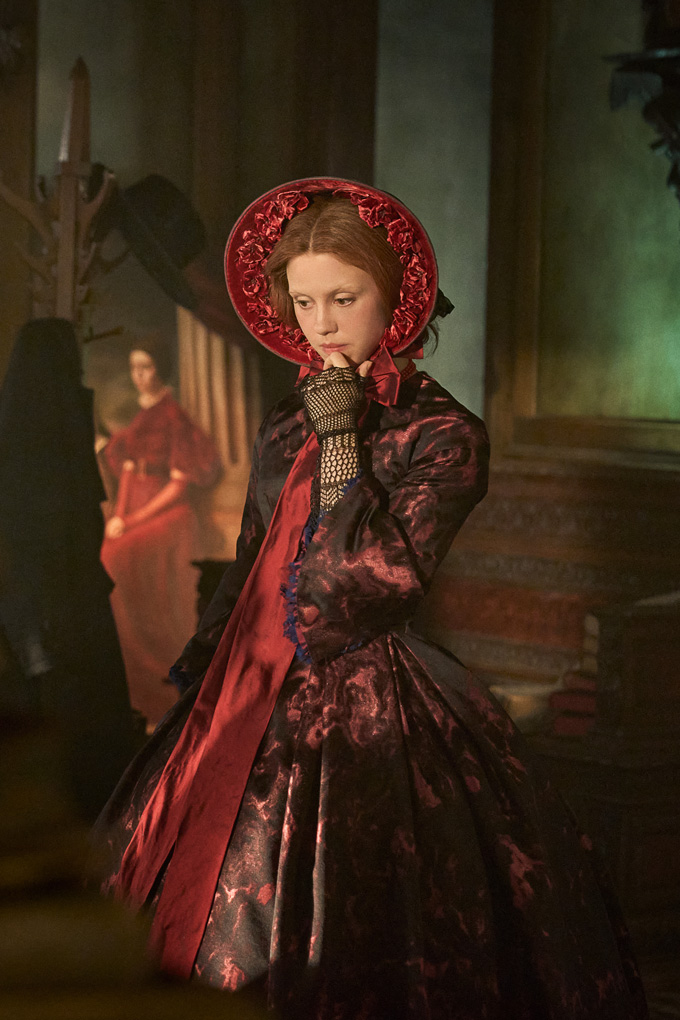
And yet, the intrigue—or inexplicable awe—persists. In recent times, it seems we are orbiting once again, around the magnificence of these grim and grotesque creatures—as with the release of Robert Eggers’s Nosferatu last year, the English-French film Dracula: A Love Tale starring Caleb Landry Jones as the eponymous character, as well as yet another impending adaptation of Frankenstein. This time around the Romantic era classic gets a lush deliverance; with Oscar Isaac as Victor Frankenstein, Jacob Elordi as the monster himself, and Mia Goth as Lady Elizabeth Harlander. Alas, there have been soaring expectations for the film, if only for it being in the hands of its brilliant scientist, Guillermo Del Toro. A master of the gothic, the fantastical, and the gruesome, Del Toro has already redefined the landscape of beautiful monstrosity in his 2006 film, Pan’s Labyrinth and his award-winning The Shape of Water.

Would there be a better auteur to take on the role of excavating the horrors of Mary Shelley’s 1818 gothic classic? Not of the repulsive monster, but the real monstrosity of Victor Frankenstein; the one who thinks himself god, and abandons his abject creation after? For anyone who understands that the core of Shelley’s coup de maître is the tragedy of the monster, who only desires for the affection of his creator.
There is something to be said about the beautiful tales of gothic characters we are spawning once again. It lives in the epic fantasy of Del Toro’s Frankenstein, it lives in the eternal, cursed romance of Dracula, and it is immortalised in Eggers’s cinematic Nosferatu. One that divines a psychic connection between Ellen Hutter and the Count, one derived from the dreams she deigned to have as a child; a precursor to the obsessive, erotic nature of their relationship later on. The film romances a living nightmare; the disturbing horror being not just Ellen’s undefined attraction (and evident guilt) to the monster who lives in the dark—but society’s brutal entrapment of a woman whose sexual desires must be quelled.

These recent adaptations are a reflection of our contemporary psyche; the dogged search for clarity as we wander through an abyss of even more terrifying feelings in our trying reality. Some riot against societal entrapments, others are a precise conversation of prevailing feminine horrors—when a woman’s hysteria is quashed by patriarchal rulings, her voice taken away—and others lean into the tragic, lonesome life of one who has been abandoned—even amongst the ones who have sworn to love you.
And it’s not just the films we’ve made in the names of these monsters. Other recent films like Sinners too join the ranks of experimenting with the gothic genre. These delicious, recent flirtations with gothic horror have painted a lush cinematic landscape that hold a mirror to our maddening lives—and unsettling desires—one we can freely explore in these frightening fantasies. Fear, after all, is one that is often borne out of love. So here’s to the dance in the dark—as gothic horror continues to steal our hearts for one more breathless night.