When creative minds from different disciplines and cultures come together, familiar forms take on new meaning. Designer collaborations offer an opportunity to merge worlds, bringing distinct perspectives, design philosophies and approaches to craftsmanship into a shared vision.
In interiors, these partnerships can lead to unexpected combinations of materials and forms, fresh takes on time-honoured techniques and objects that reflect the meeting of different cultural influences. From blurring the boundaries between fashion and furniture to celebrating the character of natural materials, each collaboration offers a different perspective on the spaces we inhabit.
Shape of Things

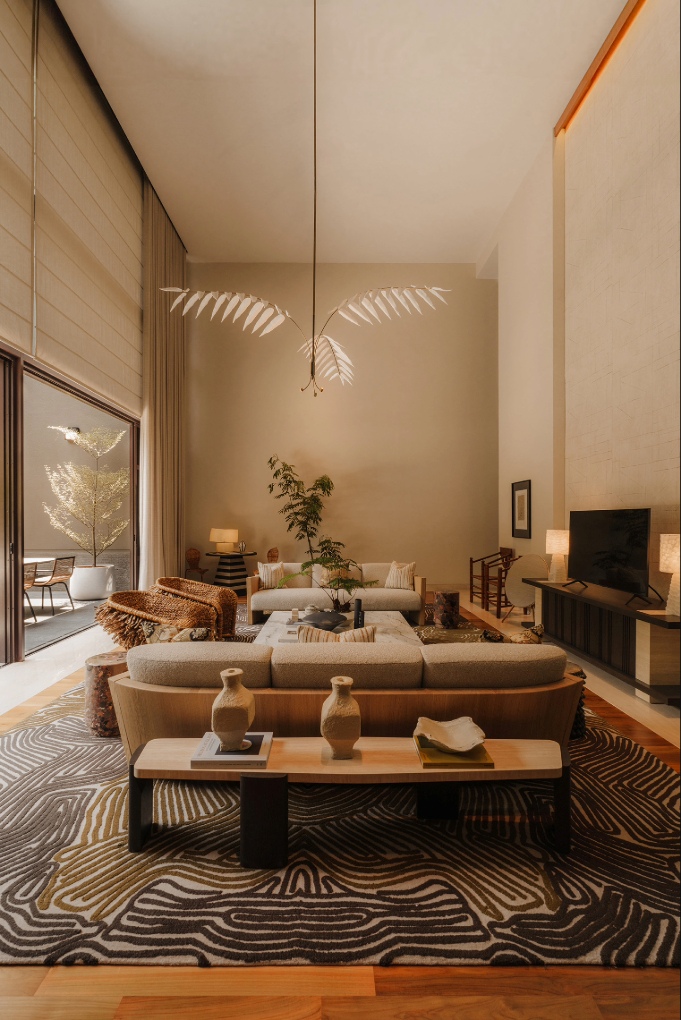
American designer Kelly Wearstler brings her eye for sculptural forms, unexpected combinations and playful details to a landmark collaboration with H&M Home. The 29-piece interiors collection, alongside a ready-to-wear capsule, is designed to evolve with the way we live. The eight-piece capsule reflects Wearstler’s long-standing dialogue between fashion and interiors, while the furniture and objects play with scale, shape and perspective. The interiors collection is available online and in selected H&M stores worldwide, while the ready-to-wear capsule is available exclusively online.
Cloud Nine

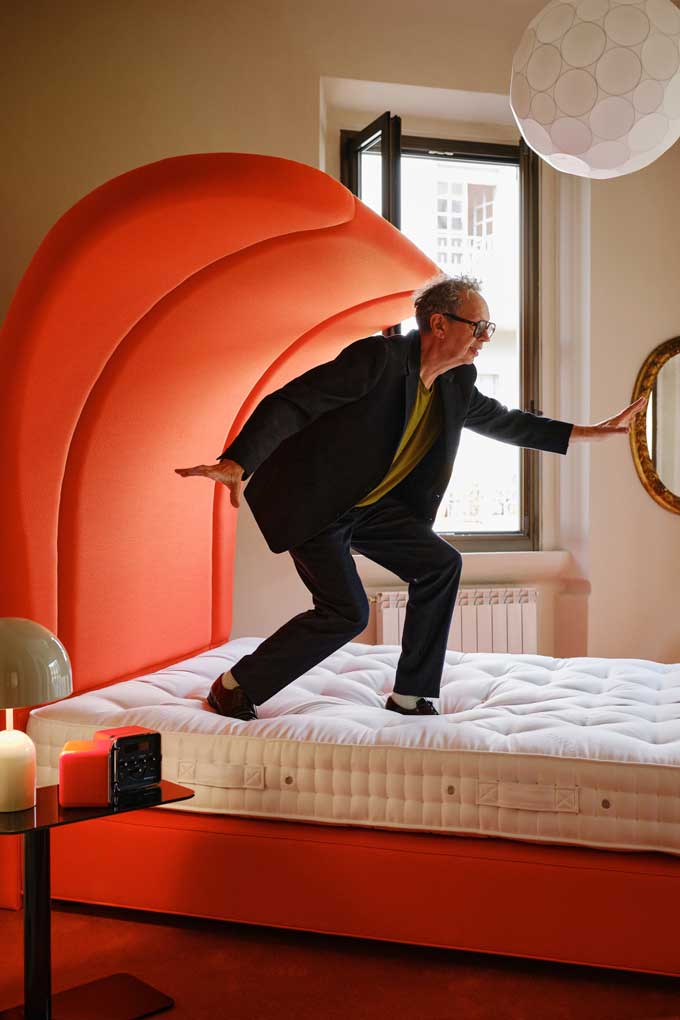
A meeting of two great British minds, luxury bedmaker Vispring’s collaboration with designer Tom Dixon brings a modern edge to the art of the bed. Marking 125 years of craftsmanship, the partnership applies its hand-built expertise to Dixon’s sculptural design language, resulting in a new bed and collection of headboards with a distinctive expression. Debuted at this year’s Salone del Mobile, the collaboration was unveiled alongside Vispring’s new Luxe Fabric Collection, Burlington and Langley headboards, and Katherine bed set. Together, they balance bold form, rich materiality and enduring craftsmanship, bringing a fresh perspective to everyone’s most treasured sanctuary.
Simple Pleasures

Wabi-sabi meets Danish restraint in the Joinery Stool, a collaboration between Japanese design company POJ Studio and Copenhagen-based Norm Architects. Crafted from hinoki, the stool celebrates the innate character of the timber—its grain and rings are part of the design—while its construction draws on Japan’s traditional no-nails joinery, with precisely interlocking components. More than an exercise in minimalism, the collaboration reflects a shared commitment to true craftsmanship, natural materials and cultural preservation, while supporting Japanese craftsmen and responsible forestry practices.
Past Perfect


When storied Venetian textile house Rubelli brought Dominique Kieffer into its fold in 2001, it introduced a contemporary, material-led sensibility, placing natural materials, sustainable fibres and traditional weaving techniques at the centre. Its new collection by Milan-based Formafantasma translates that sensibility into the pared-back spirit of Japanese and Scandinavian design. Known for its research-led approach to materials and processes, the studio explores the rawness and inherent irregularities of the loom through wool, linen, hemp, jute, cotton and paper. The result is tactile, quietly expressive and rooted in craftsmanship.
Foreign Accent

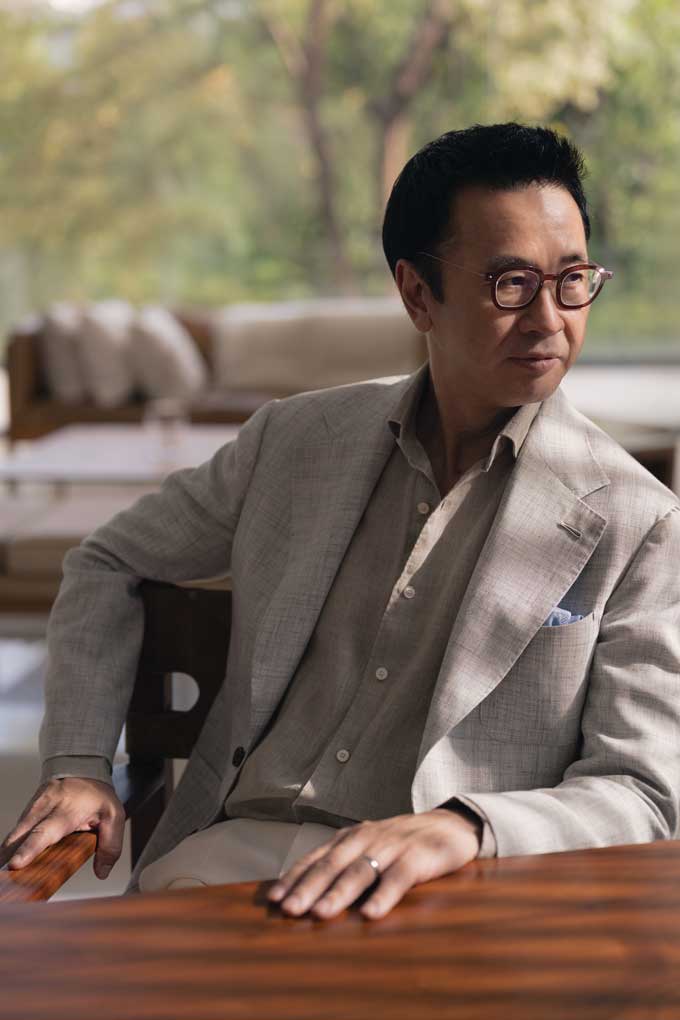
Forget beige-on-beige and interiors designed for the algorithm. Homegrown furniture brand Castlery is making the case for homes with more personality through its first
designer collaboration with Tan France, which also marks the Queer Eye fashion guru’s furniture design debut. The 18-piece collection ranges from comfortable furniture
to rugs and jewel-toned lighting, but its real currency is character. France draws on his British-Pakistani heritage while finding common ground with Castlery’s Singaporean
roots, creating pieces shaped by culture and memory. His guiding principle? The best homes aren’t showrooms or mood boards. They’re autobiographies, assembled one
meaningful object at a time.
Grand Beginnings

Singapore has no shortage of watering holes, but Bar Kap still catches the eye, not least for its location—the ground floor hall of a grand 1885 mansion on Penang Road that, over the years, was the home of a British station master, a girls’ school, an American university outpost and a Chinese medicine clinic. Original timber beams and mirrored surfaces soften the high-ceilinged space dressed in handwoven fabric that rework traditional Teochew patterns. Try the Kapitan-era Pepper Peddler, a gentle build of baijiu, gin and makgeolli, alongside tiger prawns in homemade assam paste, before wandering through to one of two private rooms: the Chamber, styled like an old apothecary and home to the bar’s clay-ageing vessels, or the escapist Carriage Room, swathed in dark wood and brass to feel like a private train compartment.