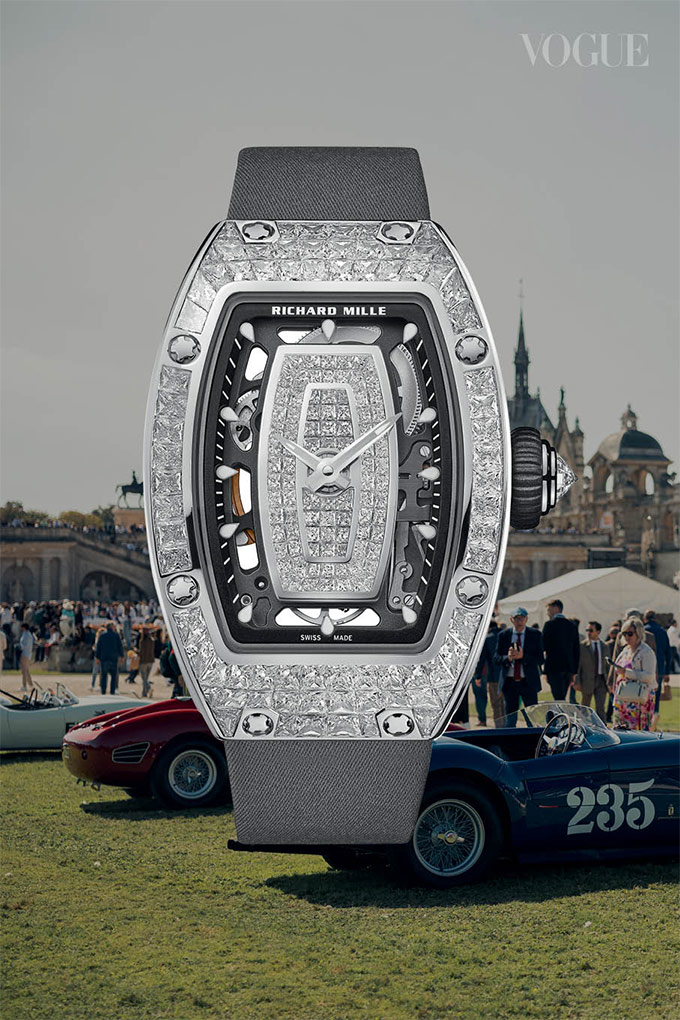
Diamonds are a wondrous thing. On a timepiece, they can add new dimensions of beauty and glamour; speckles of twinkling light that transform the aesthetic and characteristic of a design. But look a little closer at how diamonds are used—in the shape and cut of the gems, and in how they are set into a piece—and a whole other vernacular of evocative meaning opens up. That is certainly the case with the snow setting technique, which features on this Richard Mille RM 037 model, a modern method of arranging diamonds with the ambition of invoking nature’s unordered beauty.
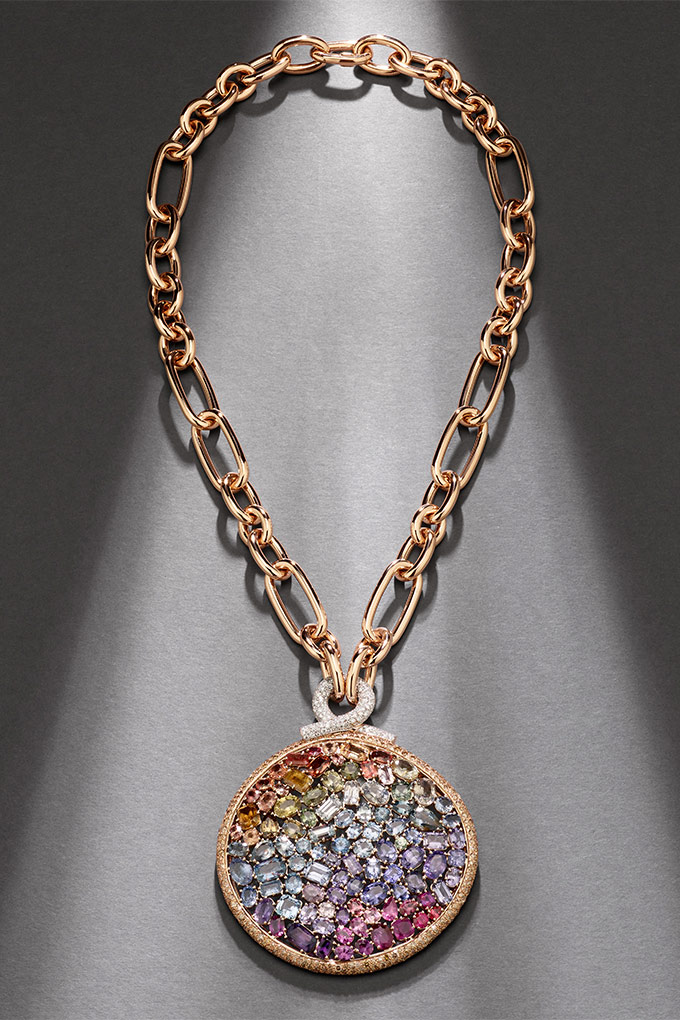
The snow setting is no mere pavé. Where pavé (which comes from the French for ‘pave’, as in roads) is all about order and equanimity, snow settings revel in randomness. Instead of uniformly sized diamonds placed in straight lines, the beguilingly difficult snow setting mixes smaller and larger diamonds in an irregular arrangement. Every stone is measured and accounted for, so that even as they are differently sized there is a precise place for each one. That creates an organic pattern of diamonds, unique to each snow-set creation, where light twinkles aplenty in a more random, natural fashion.

Its name speaks to the intended effect: downy snow, falling as flakes do wherever they please, blanketing a surface. Crafting the softness of snow through diamonds and gold is a feat of savoir-faire. The appearance from the top might be of randomness and graceful disorder, but a gem-setter must ensure that every gemstone is placed level to form a smooth, uninterrupted surface from both touch and angled views. There’s an added layer of complexity because of the gentle curve of Richard Mille’s signature tonneau case shape. When all is said and done, running a hand or a piece of fabric over a snow-set surface should yield no unseemly bumps or snags on thread—a feeling as unblemished and uninterrupted as a layer of freshly fallen snow.