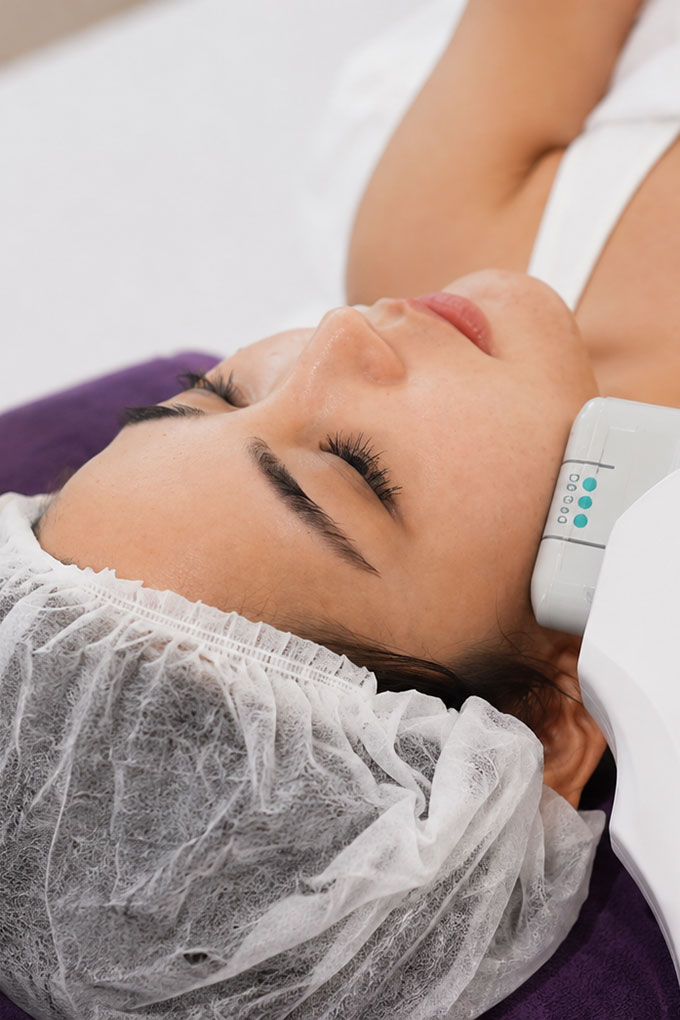
At 21, I went nine months without a period. No, I wasn’t pregnant—my periods just never liked showing up. A blood test and ultrasound later, the doctor circled my testosterone levels in red on the report in front of us. Since it’s higher than the levels of my peers, he says, I have polycystic ovary syndrome (PCOS). He tells me that my periods can return with the help of birth control pills, but I would have to watch my diet and exercise regularly to help combat the insulin resistance associated with the condition. I ask if there is a cure: there is none.
The first month, I dutifully took the small orange pill at exactly the same time every day. What followed was waves of nausea, bloating and headaches that kept me in bed—I could barely move, let alone move enough to warrant being called ‘active’. In spite of my best attempts to run when I felt able to, I’d inevitably gained weight by the time my second appointment came around. A different doctor sized me up this time. As he cued up a new prescription for me, he paused to peer warily at my body. “You need to exercise,” he said, although I never mentioned anything about my fitness to him. His conclusions were drawn entirely from the appearance of my body and his assumptions of what my body should be capable of doing.
Taking the first step
Perhaps what incensed me most was this: that he knew nothing about my lifestyle, and he’d offered nothing constructive or actionable. He certainly didn’t know enough about my body, and even less so now that it’s undergoing changes from the pill. Just because I didn’t have discernible muscles, he’d assumed I didn’t exercise at all. Just because I am a certain weight—above average—he felt it safe to make the assumption. Coupled with body checking trends, skinnytok and the Ozempic craze, it seems I am presented with an ultimatum: lose weight, or suffer an undesirable PCOS-induced fate.
@erikahoang_ These are just some of the symptoms that women with PCOS may experience. It is also possible to live symptom-free. 🤍 If you’re wondering if you have PCOS, you typically need to meet at least two out of three of the following criteria to be diagnosed: 1. Irregular or absent periods (sign of ovulation issues) 2. Signs of excess androgens, like acne, excess facial/body hair, high testosterone levels on labs 3. Polycystic ovaries seen on an ultrasound (many small follicles on the ovaries) #pcos #pcosawareness #pcosproblems #highcortisol #hightestosterone ♬ Amsterdam – Gregory Alan Isakov
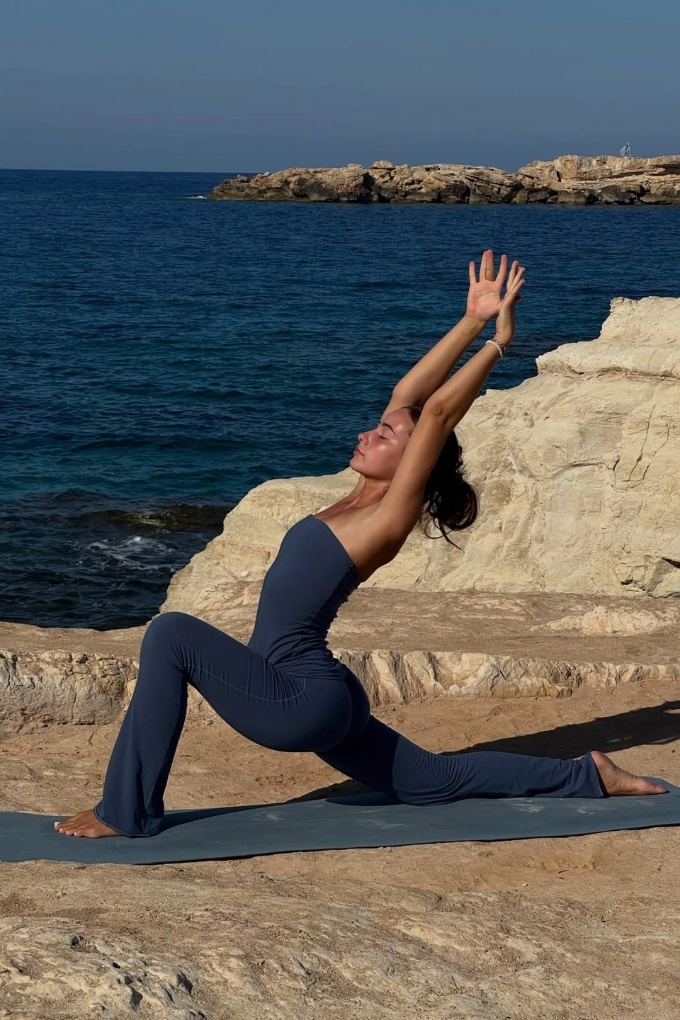
Turning to my friends and the comment section of PCOS-related Tiktoks, I found out that I wasn’t alone. We’d all been dismissed in similar ways, but the saving grace is that we had each other. As I scrolled through videos by PCOS dietitians and personal trainers, the weight loss prescription began to unravel. Rather than simply trying to shed weight, I discovered the importance of muscle-building and regulating energy levels. Low-impact exercises, like yoga, are said to be good for cortisol levels and combating the sluggishness that is often associated with PCOS. It was enough to make me sign up for my first yoga class—the first concrete attempt I’ve ever made to commit to a fitness routine.
What exactly is PCOS?
To understand the relationship between PCOS and fitness, it is important to define it first. To Xinthia Chua (@womensdietitian.xinthia), certified women’s health dietitian, personal trainer and founder of UWUFIT, the name in itself is misleading. “It makes people think that PCOS is simply about ovaries filled with cysts, when that’s not actually what defines the condition,” she clarifies. Instead, PCOS is a syndrome, meaning that it is a collection of symptoms, rather than a singular problem with one clear cause.
“At its core, PCOS is a hormonal and metabolic condition that can affect ovulation, insulin sensitivity, androgen levels and overall energy regulation. What makes it especially misunderstood is that it can look different in every woman,” Chua explains. It is also a myth that PCOS only affects periods and fertility, as it is linked to insulin resistance, inflammation and long-term cardiometabolic risks—even in people who appear ‘healthy’, or women with smaller frames (for which the condition is referred to as ‘lean PCOS’).
Debunking the myths
So when it comes to managing the condition, Chua says, “the focus should be on long-term management that’s personalised, rather than a one-size-fits-all approach.” While it’s true that modest weight changes can improve insulin sensitivity, hormone balance and overall metabolic health, especially for women with a higher body mass, it doesn’t apply to everyone.
“What’s often missed is that women with PCOS have different priorities. Some are focused on improving fertility, others on blood sugar control, cycle regularity, energy levels, or long-term metabolic health. The intervention should match the goal. For some women, that may involve weight changes; for others, it may mean building muscle, stabilising blood sugar, improving sleep or reducing stress.”
In fact, Chua urges that we move away from the idea that difficulty with weight reflects a lack of effort. “Many women with PCOS are doing the ‘right things’, yet their bodies respond differently. A more effective approach focuses on supporting metabolic health and setting realistic goals rather than pushing the body harder through extra workouts or a strict diet plan.”
View this post on Instagram
Striking a balance
In the fitness department, there is no singular best exercise for the condition. Instead, Chua recommends finding a mix of movements that one can sustain in the long term.
- Resistance-based exercise is an important foundation. This can include gym-based strength training, resistance bands, bodyweight work, or Pilates, particularly exercises that incorporate load, tension and progressive movements.
- Aerobic movement plays a supportive role. Brisk walking, cycling, swimming, dancing or group fitness classes all count; the best choice depends on your energy levels, preferences and lifestyle.
- Aside from structured workouts, daily movement is also key. Reducing long periods of sitting and walking more throughout the day can make a meaningful difference.
Overall, Chua emphasises consistency over intensity. Aiming to achieve 150 to 300 minutes of moderate physical activity, alongside some form of resistance-based exercise, is a good starting point. If it feels difficult to show up, find ways to ease yourself into it—start with shorter sessions, stick to basic movements with fewer variations, or build movement into your daily routines. It also helps to shift your focus from how the movement is altering your body, to observing how it improves mood, energy, stress levels and your sleep.
Nutrition matters too. And no, it doesn’t mean cutting out rice, noodles or local foods. Prioritising balanced meals, eating regularly and ensuring adequate fibre intake can help support blood sugar regulation and maintain gut health.
PCOS care also means making time for self-care, stress management and recovery. “It’s not about doing everything perfectly,” advises Chua. “It’s about building habits that support your health long term, even when you’re busy.”
Re-inhabiting the body
I started my fitness journey, admittedly, out of spite. The next time a doctor suggested that I was unfit based on appearances alone, I wanted to be able to tell him that he was wrong. The other part of it, however, was the desire to finally show up for myself.
View this post on Instagram
Take a deep breath, the instructor tells us. What are your intentions today? Mine was not to keel over. Just as I was convinced that I wouldn’t be able to pull off the yang pose, she showed us alternatives—we are meant to pick the one we feel most comfortable with. I would catch myself obsessing over the way my stomach folds look in a certain pose, only to realise that my legs are miraculously strong enough to hold me up. Moving my body in new ways, it turns out, is helping me locate strength and flexibility in places that were there all along.
The last part of the class always involves melting down to the mat. We hug our knees to our chests, then roll our backs gently from side to side. Then, shavasana: close your eyes, open your palms, let your feet dangle. Focus on breathing. Feel the mat anchor your body to the earth. In that moment, my body doesn’t have to be anything—by letting it exist, it reaches its own equilibrium. Years later, I’ve braved other modes—reformer pilates, pole dancing and even the gym—and they’ve each taught me new ways of attuning myself to my body. Not all days are good days; I’m still nowhere near the weight I should be; my periods still don’t come on their own. And yet, my body is mine to move—the muscles I now have are making it a little easier. As I rest my forehead against the foam block, that feels enough for me.
Additional resources for PCOS
As recommended by Chua, here is a non-exhaustive list of resources that you can look to for additional guidance on PCOS.
- Monash University PCOS Guidelines: These internationally recognised guidelines translate research into practical recommendations for both healthcare professionals and the general public.
- PCOS Awareness Association and PCOS Challenge: For advocacy and community support, these non-profit organisations offer educational content, awareness initiatives and patient-focused resources.
- When getting information from social media, Chua emphasises the importance of discernment. Dr. Natalie Crawford, a double board certified fertility doctor, explains PCOS and other reproductive health matters in a clear, informative format on Youtube.
- Chua also shares women’s health and PCOS-related videos on her own platform, with the goal of helping women, particularly Asian women, understand their bodies better. Ultimately, she says, good PCOS resources should make you feel informed and supported.