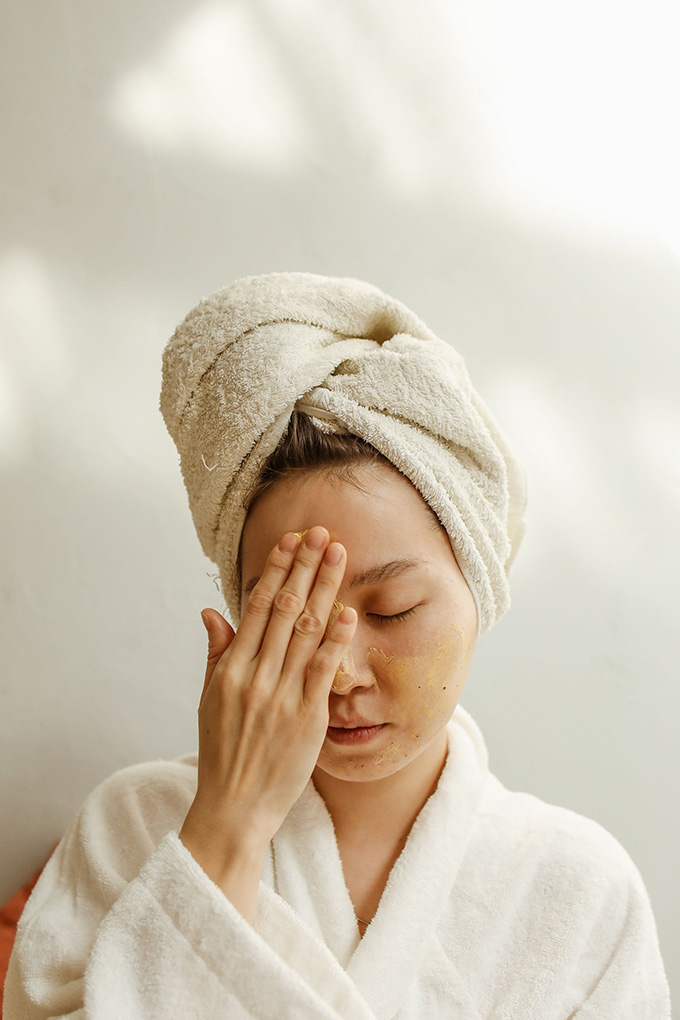
If you’ve had any kind of interest in skincare, you would know this—that our skin can usually be categorised as one of the four main types: oily, dry, combination and normal. Based on that, you’ve probably already done your research to find the best products for your skin type. Moisturising, nourishing formulations for dry skin, lightweight gels for oily skin and a mix of both for combination skin. Yet, as much as we like to think of our skin as a fixed fact, the truth is that it’s always in flux—and it can be influenced by age, but also hormones, climate, medication and lifestyle habits.
In the humid Southeast Asian climate, oily skin is undoubtedly the biggest cause for concern of them all. Our foreheads get slick, our make-up starts melting, and it feels like we constantly need to reach for blotting papers or touch-up powder. The surprising news? That might not necessarily mean that you have oily skin; it could also be a sign of soobooji skin. The Korean term refers to skin that is oily on the surface but dehydrated underneath, explains DermAlly’s consultant dermatologist Dr Coni Liu. It can be easy to get the two skin conditions mixed up, but there are notable differences—and it’s important to know exactly what they are, in order to address the respective condition correctly. Beyond finding the right skincare for you, it’ll also help you determine how you put on your make-up, as advised by make-up artist and founder of Rorrimu, Wu Yiqing. Ahead, uncover the differences between oily and soobooji skin, alongside oil-control tips to help your make-up last longer.
Finding your skin type
To recap, Liu advises that the simplest way to figure out your skin type is by first cleansing the face with a gentle cleanser. Thereafter, leave your face bare for the next thirty minutes to an hour and simply observe how it feels. If you start to develop visible shine across the whole face—especially in the T-zone—and your pores become more noticeable, then you probably have oily skin. Tightness, sometimes accompanied by flakiness or dullness, is usually attributed to dry skin. An oily T-zone and normal to dry cheeks could indicate combination skin. An absence of shine and tightness would mean the skin is normal and balanced.
View this post on Instagram
As for soobooji skin, the skin’s surface may seem oily in appearance, but it’ll also be accompanied by tightness, flaky or rough patches, increased sensitivity, redness, stinging, or more noticeable lines due to temporary dehydration.
Soobooji versus oily skin
In spite of their similarities, the key difference between the two lies in their cause. Oily skin is primarily related to higher sebum production, while soobooji skin is caused by dehydration. Liu notes that skin hydration—or the amount of water present in the skin—and skin oiliness—or the presence of sebum—are regulated by two separate systems. When the skin barrier is compromised from over-cleansing, use of harsh actives or under-moisturising, the skin senses this dryness as a barrier stressor. The oil glands respond by producing more oil, in an attempt to slow down water loss through the skin. The result, Liu emphasises, is a feedback loop: dehydration triggers more oil production and visible oil, which in turn encourages more frequent cleansing and less moisturising. In the end, the dehydration worsens—giving rise to soobooji skin.
View this post on Instagram
To moisturise or not to moisturise
And while the oil-fighting instinct is to dry out the skin, that is never the right approach. For oily skin, Liu recommends a simple routine focused on controlling excess shine without over-stripping the barrier. An example of this is a gentle cleanser, lightweight serum, lightweight moisturiser and a sunscreen for the daytime. Targeted active ingredients, such as retinoids, may be added if acne is also a concurrent concern. Retinoids help regulate skin keratin turnover and improve texture; niacinamide reduces inflammation; salicylic acid unclogs pores; azelaic acid is a gentler option that can help with acne and inflammation. It is important to be mindful, however, that some of these actives can be harsh on the skin barrier and may not be suitable for everybody.
For soobooji skin, the priority lies in supporting hydration and repairing the skin barrier through lightweight textures. To that end, a gentle cleanser, hydrating serum and repairing moisturiser with ingredients like ceramides, glycerin or squalene will do wonders.
The mattifying conundrum
It’s true: oily skin is a relatively common skin concern in Singapore, Liu affirms, because our hot and humid climate stimulates oil gland activity and increases sebum secretion. In addition, high humidity slows evaporation of sweat and sebum from the skin’s surface, which is probably why so many of us feel oily after a long day in the tropical heat.
That being said, mattifying the skin isn’t always the solution. In fact, Liu shares that it can backfire completely, as stripping the skin leads to tightness, irritation and dehydration. The goal should be for our faces to feel healthy and comfortable without excessive cleansing or aggressive powder layering. Wu echoes the sentiment, highlighting that excess powdering can emphasise texture, separate throughout the day and make make-up appear heavier. Instead, she recommends focusing on techniques that promote longevity, particularly by choosing products that are formulated for oily skin and applying them in the right amounts. Powder can be the finishing touch, but it should not be the crutch of our make-up routines.
The oily girl’s make-up guide
Skincare is important, not just to your overall skin health, but also to lay the foundation for a long-lasting beat. In the daytime after cleansing, restore hydration with a water-based hydrating toner, alongside a serum or gel moisturiser and sunscreen. Well-prepped skin, Wu notes, should feel bouncy and slightly tacky, instead of wet or slippery.
Primer is another critical step to increase the longevity of your make-up. Before applying primer, Wu’s hack is to gently press a small amount of setting spray into the skin with a make-up sponge to even out the base and give make-up something to grip onto. Then comes the mattifying primer, which should be warmed up between the fingers and applied sparingly to oil-prone areas. Apart from the T-zone and cheeks, another area to prime is the eyelids, which also contain oil glands.
View this post on Instagram
For the rest of the base, building up coverage with thin layers keeps application lightweight. The most crucial part of the routine is the setting spray, which helps to melt all the layers of make-up together for a seamless, skin-like finish. Alternatively, fixing sprays create a lightweight film over the make-up, which helps it resist sweat, oil, smudging and transfer to other surfaces. Regardless of what your preferred type of spray is, Wu emphasises that sealing in your make-up can make all the difference in keeping your make-up fresher for longer. She recommends spraying on your product of choice in three light layers, giving each layer a minute to dry completely in between sprays.
In general, it’s worth investing in a few hardworking shine-control products that will not irritate or strip the skin barrier. The essentials she recommends are:
How to: touch up
As you go about your day and the inevitable oiliness starts making an appearance, not all is lost. Wu’s preferred method of touching up starts with removing excess oil with a soft facial tissue and dabbing motions, as it absorbs oil without disturbing make-up as much as blotting papers do.
If your complexion looks powdery, Wu advises a light misting of setting spray over the skin to melt the make-up back together before touching up. Under-eye creases should be handled with care: Wu uses a cotton bud with a tiny dot of mattifying primer to gently remove excess product before applying a controlled amount of concealer to the areas that need it most. Once everything is corrected, a light dusting of pressed powder—like the Fenty Beauty Invisimatte Instant Setting & Blotting Powder or Charlotte Tilbury Airbrush Flawless Finish Powder—goes on last.
Is oil the enemy?
There is something that folks with oily and soobooji skin can agree on: dealing with oil is a matter of resilience and devotion. There are certainly more lasting solutions for managing it at the aesthetic or dermatology clinic, like chemical peels, microneedling, the latest oil-gland-targeting 1726nm laser, or oral treatments, but there are also other factors—like sensitised skin—to bear in mind. And while it might seem like oil is something that has to be controlled, targeted and taken care of, Liu reminds us that oily skin is as normal as the other skin types are. Rather than seeing oil as a problem, it just needs to be managed in a balanced way. After all, healthy skin does not need to be completely matte; it only has to be comfortable, healthy and resilient, according to the experts.