There are thousands of known peptides, and they come in many forms. They’re found as injectables—you will know GLP-1s like Ozempic or Wegovy—in haircare for hair growth and increasingly more ubiquitously as skincare. In fact, there has been somewhat of a peptide revolution on the beauty shelves with an explosion of serums and creams harnessing the cell messengers and promising to improve firmness, strengthen the skin barrier and minimise the appearance of fine lines and wrinkles – with a lower risk of inflammation or irritation than retinoids. “Peptides are generally well tolerated and can be a useful addition to a skincare routine, particularly for people who find stronger active ingredients such as retinoids difficult to tolerate,” explains consultant dermatologist Dr Derrick Phillips.
The use of retinoids in skincare is nothing new. The vitamin A derivatives are the best-studied topical anti-ageing ingredient in dermatology, with over 50 years of data. Retinol, a type of retinoid, is used to encourage cell turnover and collagen production. “It is commonly used in skincare to improve uneven tone and texture, soften the appearance of fine lines and reduce the visibility of post-acne marks and enlarged pores,” says Dr Phillips. So, which is best for skin rejuvenation, resilience and regeneration? The experts tell us all.
Peptides Vs Retinol: How do they differ?
“Peptides and retinol can both support smoother, firmer-looking skin, but they work in different ways,” Dr Phillips distinguishes. “Peptides are short chains of amino acids that can act as signalling molecules within the skin. Depending on the type, they may support collagen production, hydration or the skin barrier. Retinol is a vitamin A derivative that increases skin cell turnover and stimulates collagen production, with stronger evidence for improving fine lines, uneven texture and post-acne marks.” For minimising the appearance of fine lines and wrinkles, there is a wealth of scientific evidence surrounding retinol. Peptides are not as well-researched to date, but Dr Phillips believes it too can “also support collagen production and improve the appearance of fine lines.”
As for why you may choose one over the other, the expert details it comes down to tolerance and the side effects. “Retinol is generally the more potent option, but it is also more likely to cause dryness, redness and peeling, particularly when first introduced. Peptides tend to be gentler and may be a better starting point for people with sensitive or reactive skin.” For those with sensitive skin, eczema or rosacea, you may believe that you should avoid retinol altogether, but Dr Phillips says this is not the case, except during an active flare-up. He flags that the introduction process must be done cautiously and tactically.
How long does it typically take to see results from peptides vs retinol?
In short, that depends. Dr Phillips says that no matter which ingredient you are using, the results are conditional on “formulation, strength and how consistently the product is used.” That being said, they work differently, which also impacts the timeline. “With retinol, some people may notice improvements in texture and radiance within four to six weeks, although changes in fine lines and firmness usually take several months.” On the other hand, peptides are more subtle. “Hydrating or barrier-supporting benefits may be noticeable within a few weeks, while improvements in firmness or the appearance of fine lines may take eight to twelve weeks or longer.” He stresses that consistency is key.
What are the most common side effects of retinol and peptides?
If you have used retinol before, you may be all too familiar with the side effects, which can include dry, flaky skin or redness. This is very common. Dr Ellie Rashid, CeraVe consultant dermatologist, confirms this, explaining that dryness, tightness, flaking and mild irritation, as well as temporary redness or increased sensitivity, are likely, especially if you “start too strong or use it too frequently.” She also wants to make clear that “there are different topical retinoids over the counter, granactive retinoids, retinyl esters, retinol and retinaldehyde, or retinal,” all of which have varying strengths.
In contrast, peptides are generally well tolerated, which is why they are a popular alternative to retinol. “Most people can use them without irritation,” Dr Rashid says. “Side effects are uncommon, although, as with any skincare product, reactions can occur if there are other irritating ingredients in the formulation.”
When should you start adding either ingredient to your routine?
“I don’t think there is a specific age when everyone should start,” Dr Rashid says on retinol. “It depends much more on your skin concerns.” She details that those with acne, pigmentation, fine lines or changes in skin texture may want to incorporate retinol into their routines and this, she adds, typically starts developing in our twenties. On the other hand, peptides are ideal to begin at the first signs of skin ageing. “They can be particularly useful if you’re noticing early signs of ageing, want to support collagen production or are trying to strengthen the skin barrier alongside more active ingredients,” Dr Rashid adds.
Can peptides and retinol be used together? What is the best order?
In fact, the two ingredients work very well together, especially as peptides are supportive of the skin barrier, which can feel compromised by retinol. Dr Rashid reveals, “Retinoids stimulate collagen production and increase cell turnover, but they can also temporarily weaken the skin barrier while your skin adapts. Peptides may help support skin repair and barrier function, making them an excellent partner.”
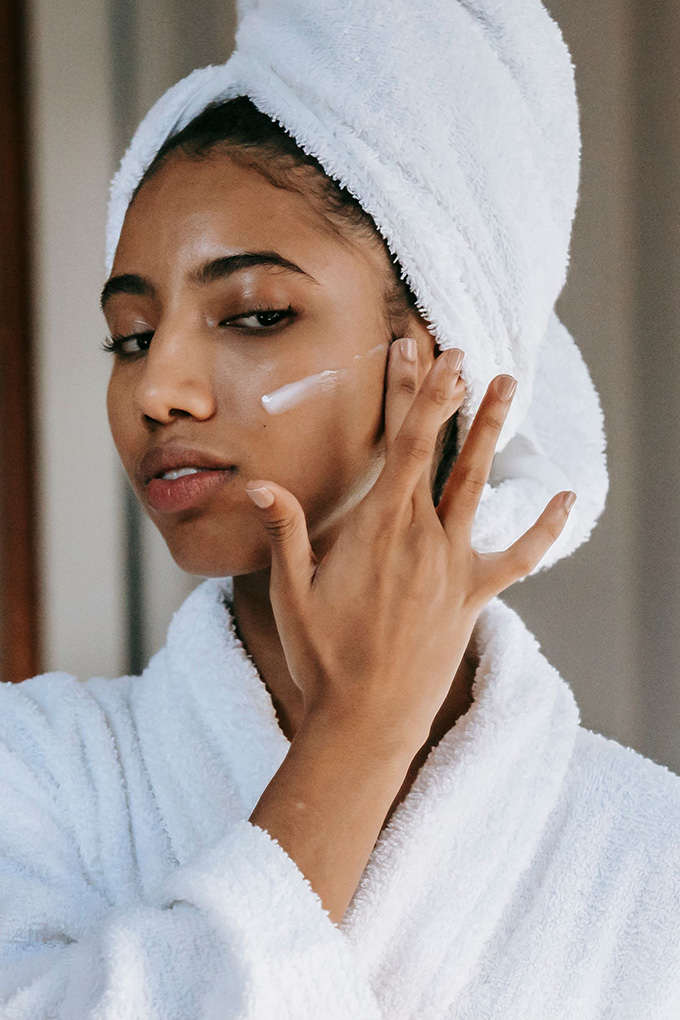
To maximise their efficacy, apply peptides after retinol. “If you’re layering separate products, I would generally apply retinol first on cleansed skin and then the peptide moisturiser,” says the expert. “But if you’re getting any irritation or if you have particularly sensitive skin, you can also use the “retinol sandwich” approach by applying moisturiser before and after your retinol to reduce irritation.”
What should you look for in a retinol?
A common mistake is to believe that the highest concentration of retinol is the most effective. This is far from the correct approach. “The most important thing isn’t necessarily choosing the strongest retinol; it’s choosing one that you’ll actually be able to use consistently,” says the dermatologist. Instead, pay attention to formulas that layer retinol with kind-to-skin ingredients. Dr Rashid recommends “moisturising and barrier-supporting ingredients such as ceramides, hyaluronic acid and glycerin.” She also says to look out for encapsulated retinol, which “can also improve stability and reduce irritation.”
As you start in your retinol journey, take a slow and steady approach to give your complexion an opportunity to adapt. “My advice is always to start with a lower strength two to three nights a week before gradually increasing the frequency as your skin adapts,” advises the dermatologist. “Consistency over months is far more important than using an aggressive product that leaves your skin too irritated to continue.”
What should you look for in a peptide skincare product?
“Peptides aren’t all the same,” stresses the dermatologist. So before investing in a skincare product, it is worth investigating the one that is best suited to your concerns – there are thousands to choose from. “Different peptides have different roles, from supporting collagen production to improving hydration or helping to reduce the appearance of expression lines.” But while the peptide itself is important, so is formulation. “Look for products that contain well-studied peptides alongside ingredients that support the skin barrier, such as ceramides, cholesterol and humectants.”
What mistakes do people most commonly make when using these ingredients?
Retinol is photosensitive, so should be used at night and must be followed with SPF the following morning. “A common mistake is forgetting daily sunscreen,” Dr Rashid concludes. “Retinoids can make skin more susceptible to UV damage.”
This story was originally published on British Vogue.