In the garden of wellness today lies a fountain of youth—the promise of longevity. Long gone are the days when yoga or targeted massage therapies were the whole spectrum for achieving balance on the mind-body axis. Instead, advanced technologies have since built new earth for us to stand on. With present knowledge and readily available facilities for targeted work; hydrotherapy for pain relief; oxygen therapy for clarity of mind; compression therapy for better blood circulation; and infrared saunas or hot-cold plunge pools for muscle relaxation, the concept of biohacking is made possible for every individual. Moreover, it’s not just advanced medical technologies that have given wellness its good name in recent years. Ancient healing technologies too—drawn from every corner of culture—have been given a leg boost and are taking the wellness world by storm. From the transformative powers of sound healing to the concept of gua sha for lymphatic drainage, a multitude of Asian healing techniques especially, have been enjoying its spot in the limelight—a large part due to the virality of health hacks all over social media. The latest to hit TikTok’s radar? Navel oiling.
@dimple.amani Navel oiling because I refuse to be bloated ✨ #naveloiling #bloatingtips #bloatingrelief #bloatingstomach #bloating ♬ Originalton – 𝑦𝑒𝑠𝑠𝑖𝑛
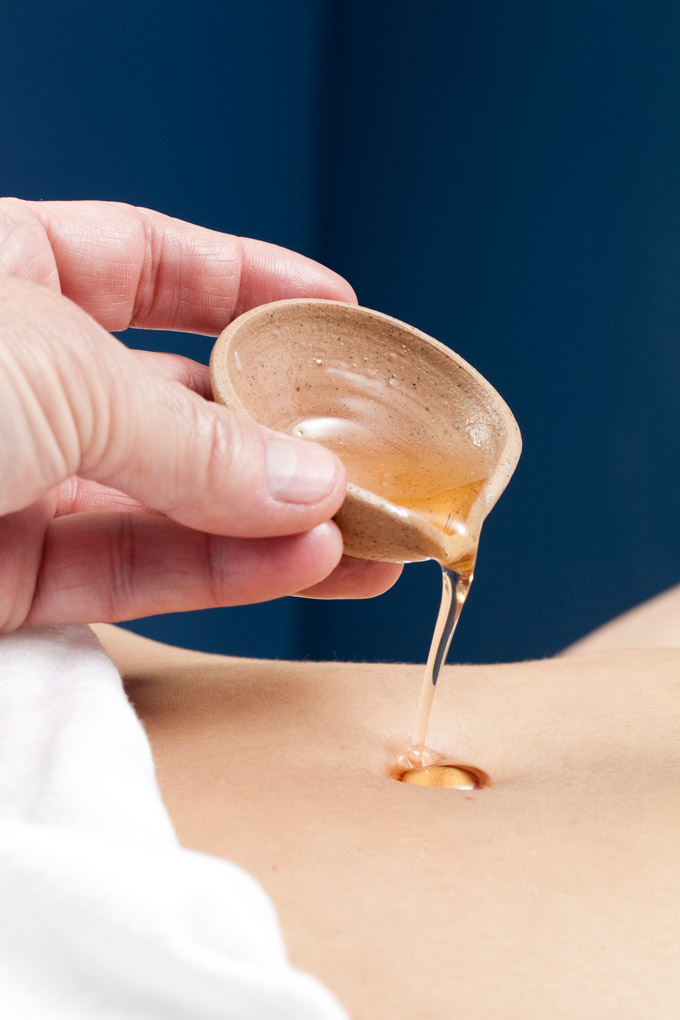
Navel oiling finds its roots in Ayurveda; also known as nabhi chikista, it is a traditional practice of applying oil to the belly button. “Nabhi means umbulicus or belly button. In Ayurveda, the navel is considered to be a crucial energy centre that connects over 72,000 veins and serve as a central hub for distributing nourishment and energy throughout the body,” explains Dr Kurra Sailaja, senior Ayurvedic consultant at Om Vedic Heritage Centre. With its promised benefits of improved digestion, healthier, glowing skin and the relaxation of the mind, it’s not difficult to see why it’s such a readily accepted technique—especially considering the fact that it isn’t time-consuming and easy enough to adopt into your lifestyle. With some castor oil or coconut oil on hand, you just might be on your way to trying your hand at the healing practice.
First things first however? Getting properly acquainted with the Ayurvedic healing technique. To learn about the different types of navel therapy, its actual effects on the body—and especially the menstruating female body—plus a step-by-step take through of how to incorporate the technique best, we spoke to Dr Sailaja for everything there is to know about navel oiling—before you embark on your own navel therapy journey.
What is navel oiling?
Also known as nabhi chikista, it is an ancient practice of applying warm medicated oils or ghee to the belly button. Nabhi means umbulicus or belly button. In Ayurveda, the navel is considered to be a crucial energy centre that connects over 72,000 veins and serve as a central hub for distributing nourishment and energy throughout the body. Ayurveda views the navel as a marma (vital energy point) and focal point for balancing the body’s three doshas or elements i.e, vata (air), pitta (fire) and kapha (water).
What are the different types of navel oiling in Ayurveda?
. There are three types of nabhi chikista of navel therapy:
- Nabhi bhasti: Building a mini compound of black gram paste around the umbilicus and retaining medicated oil or ghee in it for a certain period.
- Nabhi pooran: Filling of the navel depression with medicated ghee or oil.
- Nabhi lepa: It is an ayurvedic therapy where different herbs are made into a paste and applied over the umbilical area.
What are the potential benefits of navel oiling?
Improves digestion: It helps stimulate digestive agni (fire) and can relieve common digestive issues like bloating, acidity, constipation and indigestion by activating nerves and energy channels connected to the digestive organs.
Detoxifies the body: It cleanses the body organs.
Promotes healthy skin: Regular navel oiling helps to moisturise the skin, heal dry lips and promote a natural glow.
Reduces stress: This practice helps to calm the nervous system, reduce pressure and promote emotional balance by stimulating the manipura chakra (solar plexus).
Does it have added benefits for menstruating women?
Yes, it has several benefits pertaining to menstrual health. It helps to relax the veins around the uterus, relaxes muscles, improves blood flow, and even reduces pain and fatigue during menstruation.
From a doctor’s perspective, would you say that navel oiling is safe for everyone to adopt?
I would recommend navel oiling for daily use for most people, provided, you use the appropriate oil and follow a gentle routine. It is a simple non-invasive way to support digestion, balance and well-being—and it is deeply rooted in Ayurveda tradition. The best time to practice navel oiling would be just before going to bed.
Could you take us through your recommended application method for navel oiling?
Select an oil based on your wellness goals and dosha. Use cold pressed organic oils for best results. Lie down comfortably on your back, clean your navel with a cotton swab and warm water to remove dirt, warm the oil slightly and place three to five drops of oil directly into your navel. Gently massage in a circular clockwise motion for 5 to 10 minutes, and leave the oil overnight or for at least another 30 to 60 minutes before wiping it off.
Are there specific types of oil that are best suited to navel oiling?
Each oil has its own benefits and it is recommended to choose an oil based on the doshas (elements) or on the specific benefits you are looking for. Commonly used oils for navel oiling include ghee (clarified butter), sesame oil, coconut oil, castor oil, almond oil or mustard oil, but my top three picks would be ghee which nourishes gut health; coconut oil which is cooling and good for the hair and skin; as well as castor oil which is great for detoxifying the body, relieving constipation and improving circulation.