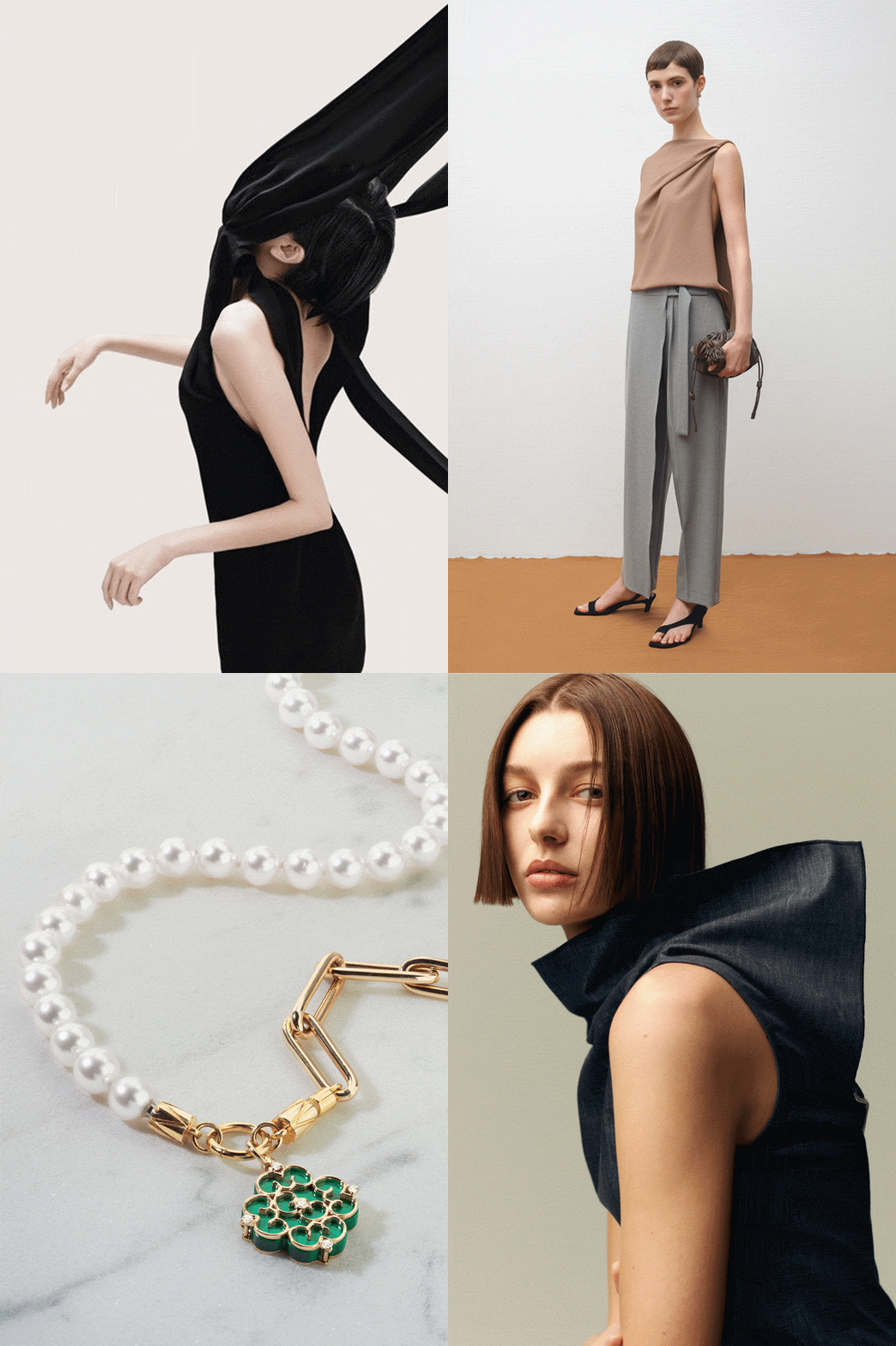
A small dot. A sunny island. A nation that now declares 60 years of independence. For a multi-racial country that heralds a melting pot of cultural influences, as well as an urban city that thrives on globalisation and looking outwards, the subject of Singaporean fashion has always been murky. For a period of time, amid the efforts of Singapore Fashion Week, Audi Fashion Festival and Digital Fashion Week Singapore, the spaces for local designers to prosper and create didn’t feel that promising. But whilst tricky, there have been the fashion stalwarts that endured—even during the dearth of brick-and-mortar—by way of individuality, craft and creative sensibilities that continue to grow and evolve with the current retail climate.
Today, the local fashion scene is looking hopeful, alongside Singapore’s retail landscape. “A decade ago, it felt like we were still warming up to the idea of supporting local fashion. Today, I see a growing appreciation for independent voices and homegrown design—especially those with strong narratives and craft integrity,” offers Bessie Rye, founder of Rye. This year, the homegrown label celebrates nine years. What started out as a quiet exploration of timeless design and everyday wear has now expanded into lifestyle in the form of objects, scents and other paraphernalia.
16 years on the circuit, local jeweller Carrie.K knows a thing or two about growing a local business. And at its core, founder Carolyn Kan maintains that it all comes down to storytelling. “What’s evolved [for the brand] is that our stories have become more intentional and meaningful. We’ve learned that sustainability isn’t just about surviving market changes—it’s anticipating what people truly need, even before they realise it themselves.”
To expound further on what it takes to build a successful fashion business in Singapore, we speak to Kan, Rye, the co-founders of In Good Company—Jaclyn Teo and Sven Tan—as well as Stolen Stolen’s Elyn Wong, as they each share their own entrepreneurial journey and what they hope for the future.

1 / 4
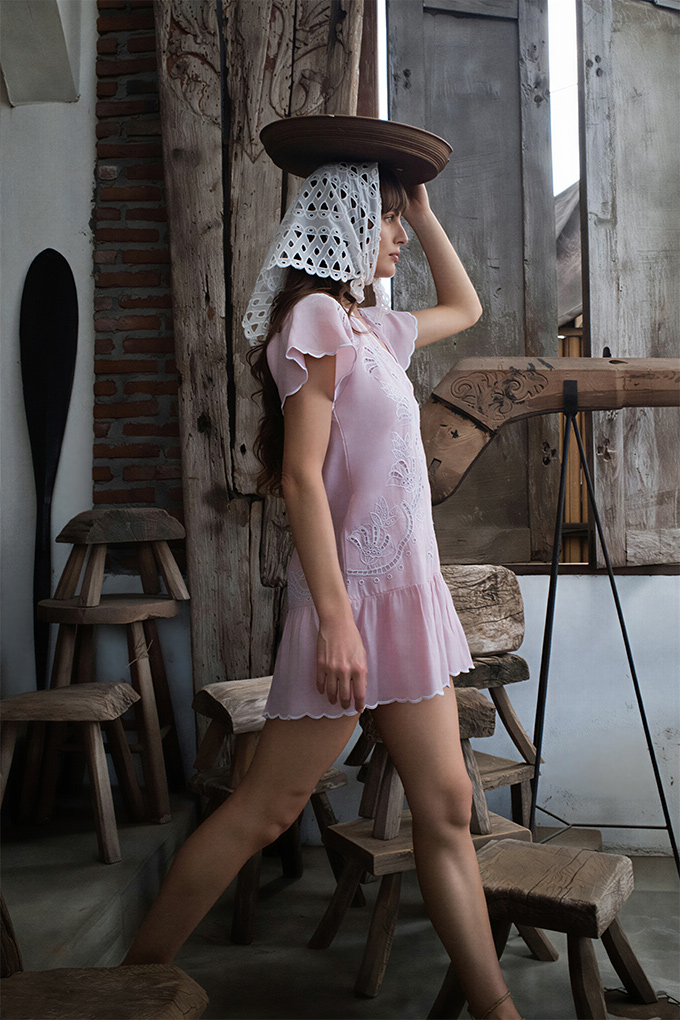
Rye
How long since the brand’s conception?
Nine years. What started as a quiet exploration of timeless design and everyday wear has grown into something far more layered than I initially imagined.
How has the brand changed since it first started out?
When we first started, Rye was purely online, with a few placements in department and concept stores. Today, we have two physical spaces we call home—in Joo Chiat and New Bahru —each one a living extension of our design philosophy and creative spirit. Our designs have grown with us. We’ve always championed quiet silhouettes and natural textures, but now we lean into more pronounced construction, a wider fabric library, and soon—jewellery and menswear!
Visually, the brand has expanded beyond clothes. It’s become a language of objects, scent, space, and mood—storytelling in every detail. That, alongside our community, which has evolved too. We now draw in kindred spirits who value thoughtful design, quality over quantity, and the slow rhythm of craft.
View this post on Instagram
What is your hot take on the Singapore retail scene.
The scene has definitely shifted. A decade ago, it felt like we were still warming up to the idea of supporting local fashion. Today, I see a growing appreciation for independent voices and homegrown design—especially those with strong narratives and craft integrity.
That said, the market still demands speed and novelty, which often clashes with the nature of slow fashion. It’s a balancing act. Retail spaces are also evolving—moving from transactional to experiential. The brands that do well are the ones that offer more than just clothes—they offer feeling, perspective, and connection.
In your perspective, what does it take to sustain a fashion label in Singapore?
Grit, consistency, and a very clear sense of identity. You need to constantly evolve without losing your essence. Have systems that support your creativity, and people around you that share the same conviction. Also, don’t underestimate the importance of community. Our customers aren’t just buyers—they are the ones who carry the brand forward through word of mouth, shared stories, and long-term loyalty.
Any advice for young local businesses that are starting out?
Start small but be crystal clear about what you stand for. Don’t rush to scale—build your foundation first.
Where do you see the brand going in the next 10 years?
I hope Rye continues to be a space where people feel something—a sense of calm, curiosity, and quiet beauty. In 10 years, I’d love for us to have a more permanent presence in other fashion capitals, to keep collaborating across disciplines, and to expand both our product categories and brand experiences. I’ve always seen the brand as more than just clothing—it’s a platform for connection, a space to inspire and be inspired. Fashion and art are simply the starting point. They’re tools to bring like-minded people together. More importantly, I hope we’re still creating with heart, and staying true to why we started in the first place.

2 / 4
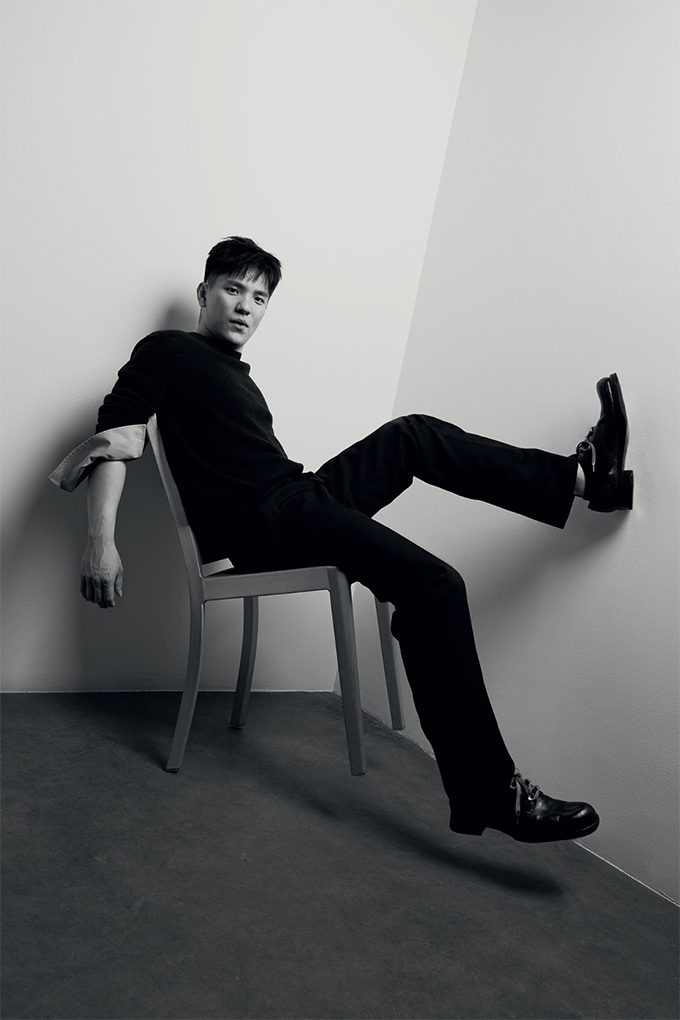
In Good Company
How long since the brand’s conception?
In Good Company was conceived in 2012 and officially launched in 2013. It’s been over a decade since we began our journey.
How has the brand changed since it first started out?
The landscape has evolved a lot since we started. There’s now a stronger sense of identity—more designers are embracing thoughtful design, quality, and authenticity over fast trends, and customers are becoming more discerning and supportive of local labels. When we launched IGC, the market was still very focused on imported brands and seasonal cycles. It’s been encouraging to see the ecosystem grow more confident, collaborative, and globally aware, yet still very much connected to local nuance. We’re proud to be a part of that evolution.
What remains unchanged is the essence of our design philosophy—thoughtful, timeless pieces with a modern sensibility and a commitment to remaining consistent in our approach and design practice. Consistency might seem like a mundane word, but for us, it represents something profound: reliability, trust, and respect for our community. Over the past decade, we’ve learned that consistency isn’t about producing the same thing repeatedly; it’s about maintaining the same level of intention, care, and excellence in everything we do.
What is your hot take on the Singapore retail scene.
We’ve seen a definite shift. When we first started, there was a tendency to look outward for style or fashion authority. But over the years, there’s been a growing appreciation for local design and an openness to support homegrown labels. Singapore’s retail landscape is also becoming more experience-driven. It’s no longer just about buying a product, but the story, space, and service around it. We’ve always believed in creating a meaningful retail experience, which is why our flagship store at ION Orchard is designed as a space for discovery, conversation and community.
In your perspective, what does it take to sustain a fashion label in Singapore?
Resilience, consistency, and a very clear sense of purpose. You have to be as strong operationally as you are creatively—which means knowing your customer, staying nimble, and keeping your business model sustainable. We’ve learned that growth doesn’t always have to mean scaling quickly; it can also mean deepening your roots and evolving thoughtfully.
Any advice for young local businesses that are starting out?
Take the time to define your values and know why you’re doing what you’re doing. Build a product and experience that you’re proud of, and keep refining it. Starting a brand can feel overwhelming, but small, deliberate steps matter.
Also, don’t be afraid to collaborate. Singapore has a rich community of creatives and independent brands. There’s room for all of us to grow together.
Where do you see the brand going in the next 10 years?
We hope to keep growing organically, expanding our presence in the region while staying rooted in our values. Whether it’s through deeper collaborations, new product categories, or more immersive experiences, we want to keep creating in ways that feel true to who we are. Ultimately, our goal is to remain a brand that uplifts—through design, through connection, and through the people we build with. We’re excited for what lies ahead.

3 / 4
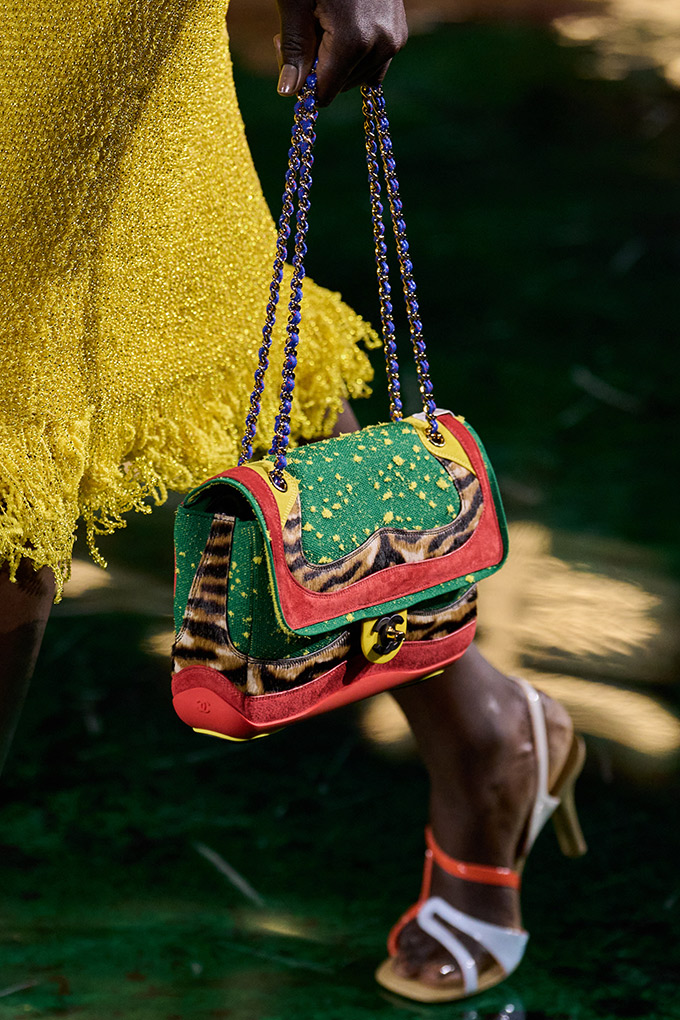
Carrie K.
How long since the brand’s conception?
I started Carrie K. 16 years ago, with a vision to create jewellery that tells stories. I was fresh from the advertising industry, so naturally I designed fashion forward fun accessories that got us invitations to show international fashion weeks, from Paris to New York.
How has the brand changed since it first started out?
Carrie K. has completely evolved from a fashionable accessories brand to an intentional fine jewellery brand specialising in milestone celebrations. This transformation reflects not just our growth, but our deeper understanding of what our clients truly seek. Our unique selling proposition centres on creating pieces that are both meaningful and modular—jewellery that transforms with you through different occasions and chapters of life.
The Carrie K. Atelier experience is completely different now. Our clients have described it as Carrie K. having “grown up”. We’ve created a sophisticated yet welcoming space that feels more like visiting a friend’s home than a traditional retail environment. Here, we help clients co-create precious personal modern heirloom jewellery through our innovative “Wearable Wishes” philosophy.
View this post on Instagram
What is your hot take on the Singapore retail scene and Singaporeans’ perception of local fashion brands?
The retail landscape in Singapore is increasingly dominated by fast fashion. This creates a particularly challenging environment if you’re creating discretionary luxury items that require emotional investment from consumers.
However, I believe this challenge also presents an opportunity. In a world saturated with mass-produced, throwaway fashion, there’s a growing hunger for personalisation, craftsmanship, authenticity and truly thoughtful client service. Singaporeans are becoming more discerning—they want to invest in pieces that tell their story, that have provenance and purpose.
Local fashion brands need to understand that we’re not just competing on style or price anymore. We’re competing on emotional resonance and personal significance. The brands that will thrive are those that can create genuine connections with their customers, offering not just products but experiences and stories that resonate deeply.
In your perspective, what does it take to sustain a fashion label in Singapore?
The key to sustainability is evolution while staying true to your core essence. A brand needs to evolve with the market and changing consumer needs, yet maintain the authentic voice that made it distinctive in the first place.
For Carrie K., storytelling has been our foundation from day one. What’s evolved is that our stories have become more intentional and meaningful. We’ve learned that sustainability isn’t just about surviving market changes—it’s about anticipating what people truly need, even before they realise it themselves. We’re living in a time when people are overwhelmed, striving, and longing for meaning. There’s a growing wave of movements focused on mental health, self-worth, and belonging. This isn’t a trend—it’s a fundamental shift in human needs. While most jewellery brands sell beauty, luxury, and status, we offer meaning, connection, and identity.
Our approach has been to continuously innovate while deepening our understanding of what our clients value. Whether it’s our Heirloom Revival service that transforms inherited pieces into modern meaningful jewellery, our modular pearl necklaces that both mothers and daughters can love, or our personalised Gemstone Discovery workshops—we’re constantly finding new ways to solve real problems people face.
Any advice for young local businesses that are starting out?
My fundamental advice is this: understand who you serve and what problem you are solving for them. Too many businesses start with what they want to create rather than what people actually need.
Spend time talking to your potential customers. Uncover their heartfelt stories, understand their frustrations, and identify the gaps in their lives that your product or service could meaningfully fill. Be prepared to evolve. Your initial idea might be just the starting point. We began as a fashionable accessories brand and evolved into creators of intentional fine jewellery for milestones. This came from listening to our clients and responding with authenticity.
Also, never underestimate the power of meaningful storytelling. In today’s crowded marketplace, people connect with stories and purpose, not just products. Finally, focus on creating experiences, not just transactions. When clients visit our Atelier, they’re not just buying jewellery—they’re participating in the co-creation of something meaningful to them. This approach builds loyalty that transcends price competition.
Where do you see the brand going in the next 10 years?
My vision for Carrie K. is to establish a completely new category: intentional jewellery that creates emotional resonance far beyond traditional fashion or luxury.
Over the next decade, I see Carrie K. becoming the global destination for people who understand that true luxury lies not in ostentation, but in pieces that carry deep personal significance. We want to create modern heirlooms that mothers cherish and daughters dream of inheriting—jewellery that evolves with you and resonates across generations.

4 / 4
Stolen Stolen
How long since the brand’s conception?
Just over 18 years now. Officially, Stolen Stolen started in 2012, but we had already started out as a passion project and selling designs on the side since 2007. Back then, I couldn’t have imagined that it would soon be my whole career.
How has the brand changed since it first started out?
As a brand, we have definitely evolved quite a bit through the years. The pandemic from five years ago has also made us re-evaluate our business model and financial planning—for the better, I believe. Not only have we streamlined our production and downsized our team over the past few years, but we’re also putting a lot more thought into how and what we produce. Rather than just churning big constant quantities that doesn’t serve us or the customers well.
In terms of designs, we have taken a solid approach of not changing the integrity of our designs—so our signature backless feature comes through in every creation. To us, keeping the essence of what Stolen design is about, is key. Over the years, we did expand our product offerings, catering to growing needs from our loyal customers and also complimenting our main collections.
We’ve also adopted different modes of sales like collaborations with other like-minded brands or live selling, or employing influencers. The behaviour of shoppers has changed drastically throughout the last decade. With customers, we are always looking to grow our customer base, but it is our great pride and joy to be able to keep a very steady and returning group of customers who have stuck with us since day one. They bought from us with their first pay check after graduation and now some of them are mothers of three, holding leading positions at work and still fiercely loyal to Stolen. This is the most rewarding part of Stolen’s journey. I believe it’s because we offer timeless designs with unique details and we understand the changing body of a woman as she grows into different stages of life. Our most confident customer is someone in her mid 70s, wearing our backless pieces with so much grace and fun!
View this post on Instagram
What is your hot take on the Singapore retail scene and Singaporeans’ perception of local fashion brands?
The retail scene has gone through so much in the past decade. It was super challenging; even before Covid-19, it was hard. We used to sell our stuff in 10 different shops across Singapore, but they all started closing down rapidly, mainly due to exorbitant rental prices. Selling through a third party also wasn’t an option anymore, as the numbers just didn’t add up. Stolen has always been a brand that focuses on creating unique designs of good quality and in limited quantities. With such a business model, we decided it was best to streamline the focus, and sell on our own.
Having said that, I do appreciate that Singaporeans are more willing to pay good money for well-made, local creations now. As long as our quality and designs hold up to the same standard as other international brands, many locals are more than happy to support something made by a fellow local. Our weather, as well as our cultural and social habits does put us in a unique position when it comes to approaching fashion. It’s something that only a Singaporean designer might be able to give more considered solutions to.
In your perspective, what does it take to sustain a fashion label in Singapore?
We first need to make sure we are on par with international labels, in terms of quality and designs. After all, Singaporeans tend to be very well-traveled and shop extensively overseas.
The next factor would be the finances of the company. To last long, we need to either have very deep pockets, or investors, or be extremely careful and considered in how we use every dollar. We do have a relatively healthy spending market, but unfortunately we also have very high rental, production, staff and maintenance costs. Possibly one of the highest in the world. It is better to keep the ship tight if we want to go far. Especially for the outfits at Stolen; we still take pride in taking the time to come up with fully original designs. That takes time, and money. I have seen too many small brands trying to grow too fast and end up not being able to hold out for long, mainly due to the financial strain.
Any advice for young local businesses that are starting out?
Having someone who is financially acute is as important as having a designer who is strong in design. You need both to run a business successfully. If you are only one out of two, find that partner. It is very easy to lose your focus and direction after a few years; you might even lose your brand integrity in trying to make more money or satisfy customers. Such a situation could dilute initial ideals so my suggestion is to remember (write it down, if you must) what your brand is about, and why you started this brand. Make sure you revisit this core intention every year to keep yourself on track. All in all, make sure the fire keeps burning for the right reasons.
Where do you see the brand going in the next 10 years?
At the risk of sounding too idealistic or romantic, I’m still keeping the same dream for Stolen. To eventually open up an art studio or gallery that’s in the middle of a forest, in front of a mountain, beside a river. It could even be a cosy resort where clients can choose to stay for awhile. A space where people would need to make a point to travel to, but it would also a space where people want to visit. To escape, to shop Stolen in a different headspace, to enjoy art pieces that Stolen co-creates with other artists (Stolen is a hybrid studio that dabbles in Art projects yearly, outside of being just a fashion label) It’s about enjoying what I personally enjoy the most: nature.