It’s a common piece of advice dished out to anyone who has been plagued by the inevitable and sometimes-sporadic bout of acne: cut dairy out of your diet. Be it cystic or hormonal, there have been plenty of published studies reporting on the correlation between increased susceptibility to acne and one’s dairy intake. All over the internet, the benefits of cutting dairy from your diet are raved about especially with regards to skin, but some also cite reduced nasal congestion, improved digestion, reduced bloating and even lesser mood swings.
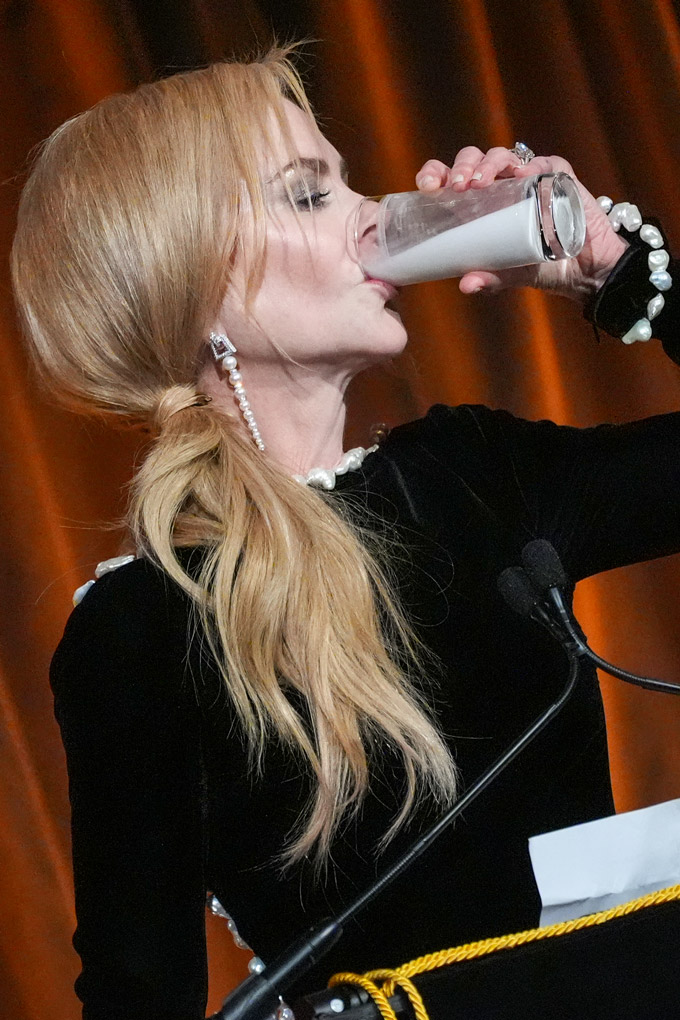
The universal truth, however, is that removing dairy fully from our diets is a difficult task. For most, dairy is an integral, almost everyday aspect of our diets; some take milk in their coffee, others can’t give up their cheeses or ice cream, and butter is in nearly everything that’s good in the world. We never needed that Babygirl scene to prove its might. Truth be told, it would take plenty of convincing to actually get on a dairy-free diet.
@thefilmophileclub The milk glass scene in the film (BABY GIRL) 2005, happened in real life to Halina Reijn’s life she once went into a bar by herself in Belgium, and ran into a very famous unnamed Belgian actor, 15 years younger than her, who ordered a glass of milk for her. She thought it was a very courageous thing to do, and wanted to reward him by drinking the whole thing, which she did, though it left her “a little nauseated.” #babygirl #nicolekidman #movie #harrisdickinson #movie ♬ original sound – THE FILMOPHILE CLUB
On the flipside, the benefits that have presented themselves would speak to anyone who’s ever lusted after clearer, better skin. It would definitely take some really effective persuasion but we’ve learnt that nothing does that better than the cold hard facts. Lucky for you, the beauty team at Vogue Singapore has decided to reckon with the truth ourselves—and consulted a skin doctor for the full lowdown of cutting dairy out from our diets. To dish the real tea, we ask Dr Harvey Ho, medical director of Skinscape Clinic, about the things we really need to know about going on a dairy fast, from dairy’s alleged inflammatory properties to the adverse effects of a complete dairy cut as opposed to simply reducing one’s intake.
How does dairy affect the skin?
Dairy contains hormones such as IGF-1 and hormones that may stimulate oil production and increase inflammation in some people, which can trigger acne and flare ups. Processed dairy products such as ice cream may also contain high amounts of sugars that are pro-inflammatory.
I do see patients with acne flare ups quite often at Skinscape Clinic, as we specialise in managing skin quality. However, the reason why it’s common to hear of it is because the result is so dramatic in certain individuals. Cutting dairy can completely cure acne for some of my patients, and I believe anyone who has had first-hand experience with the benefits of cutting dairy would naturally speak wonders about it.
What about the benefits of dairy?
Dairy is rich in protein, calcium and also contains vitamin D—all of which support healthy skin structure and repair. Yoghurt and kefir can help improve the gut microbiome, which we now understand is linked to better skin via the impact of the gut-skin axis. We like to remind our patients that dairy isn’t an essential part of any diet, but it can contribute positively to skin health when enjoyed mindfully.
Are certain types of dairy more inflammatory than others?
Dairy that is more processed or has added sugars, such as ice cream, can be more pro-inflammatory. Fermented options like yoghurt or kefir that have probiotics in them are usually gentler on the skin, and may even reduce inflammation because of its effect on the gut. I recognise that different individuals may have certain dietary preferences, but I usually try to encourage my patients to go for less sweet options, or just stick to regular milk if they love dairy products.
View this post on Instagram
What exactly happens to your body when you cut dairy from your diet?
Every individual responds differently to cutting out dairy. For some, there is a significant anti-inflammatory effect, and they may notice that their skin clears up. The anti-inflammatory effect may be generalised as well, reducing the severity of other inflammatory conditions such as joint pain. For those who are lactose intolerant, cutting dairy will improve their symptoms, which include bloating, nausea and diarrhoea. As dairy products can be calorie dense, cutting dairy can also contribute significantly to aiding weight loss.
Is a complete dairy cut good for your body or would simply cutting down one’s intake be preferable?
For most people, balance works best. Unless you have a true intolerance or allergy, I often suggest reducing rather than completely cutting out dairy. That way, you avoid missing out on beneficial nutrients but still lessen the potential triggers for skin issues. For those that have to cut dairy even though dairy is a good source of nutrients such as calcium, protein, and vitamins A, D and B12, it is not vital to our diet because these are not exclusively found in dairy. Depending on individual preference, increasing fortified plant-based milk, meat, or green leafy vegetables intake can make up for the loss in nutrition from cutting dairy.
Every individual is unique, therefore consulting a doctor—who would look at your personal history and conduct a physical examination—is strongly advised for any patient thinking about it.
How would you advise someone to remove dairy from their diet?
Technically, you can cut dairy overnight without harming your health, and there are people who are able to do that. However, cutting dairy completely might be quite challenging for some, especially those who love it with their coffee or developed childhood habits consuming dairy. In severe cases, it may cause mental distress similar to quitting an addiction, and that stress alone can affect the body and skin negatively. Removing dairy from the diet suddenly may also expose you to nutritional deficiencies as mentioned above, especially if there is no conscious effort to replace the nutritional elements in their diet.
I usually recommend a gradual approach to cutting dairy. For instance, swapping your regular milk for plant-based milk in coffee, or cutting dairy for a few days a week to begin with. This gives your taste buds and mind time to adjust to the change. Some patients find the idea of cutting entire categories one by one more realistic, such as starting with cheese, then ice cream, followed by milk. As a whole, I believe that setting goals and creating habits that are achievable is the right way to effect long term change.