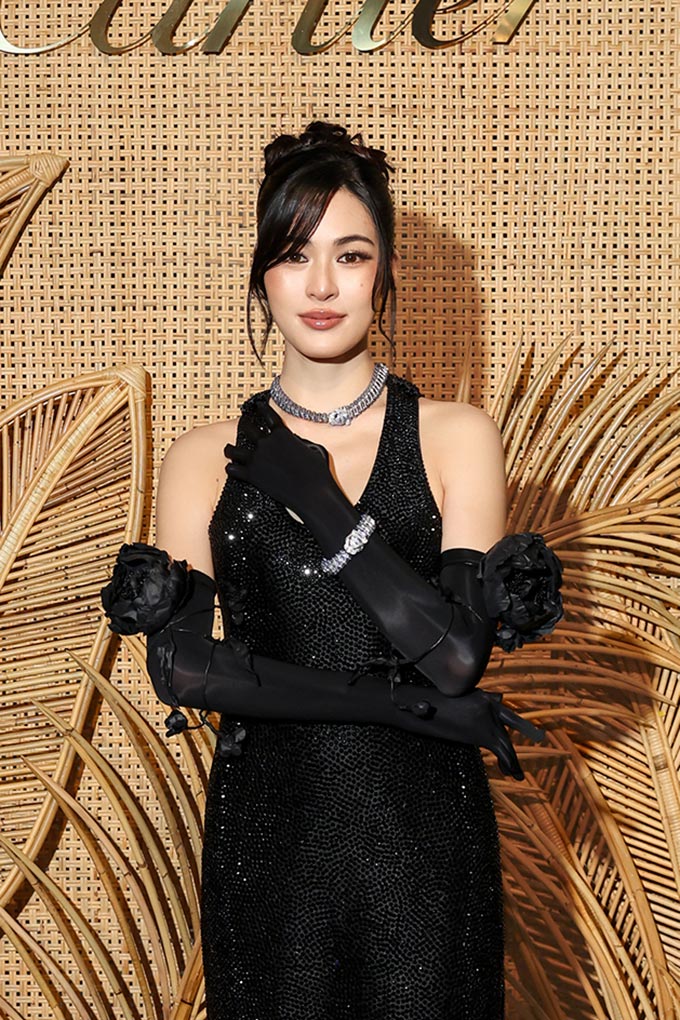
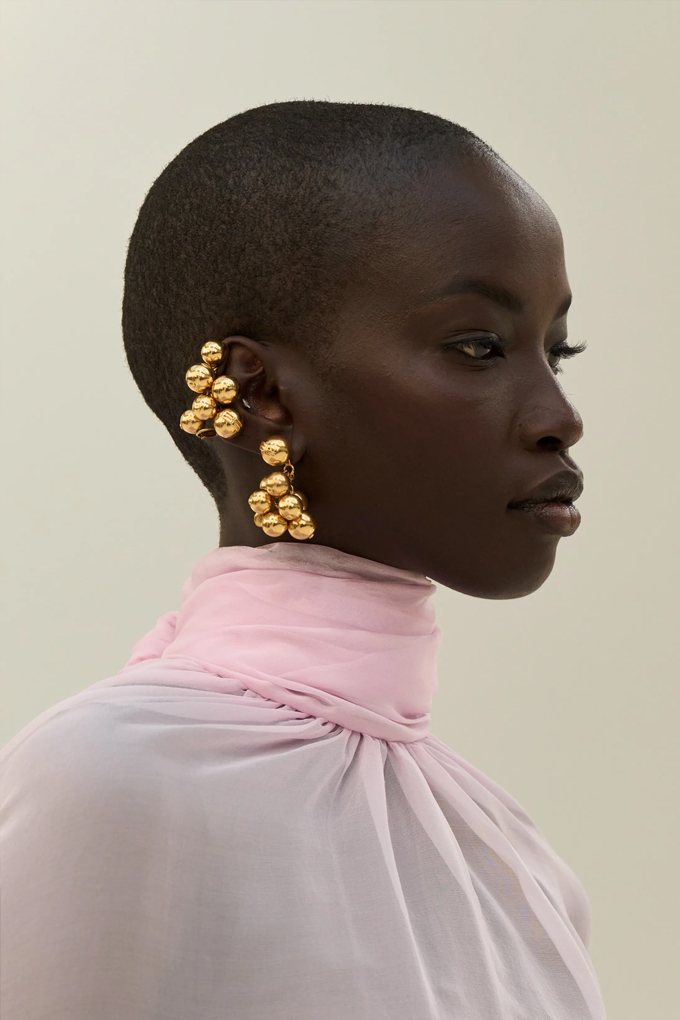
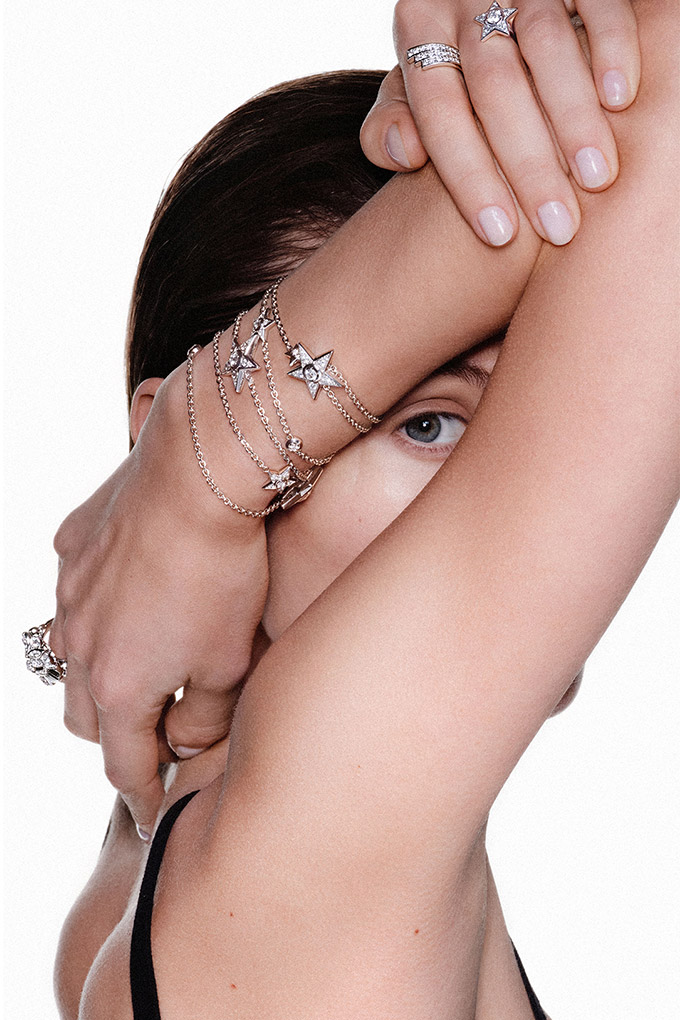
The natural world is a perennial source of inspiration for jewellers. Among the glamorous names of Place Vendôme jewellers, however, Frédéric Boucheron stood apart for a unique perspective: nature that’s untamed and almost wild. This is the inspiration behind Untamed Nature, the collection of high jewellery that Boucheron recently presented in Tokyo.
In it, creative director Claire Choisne pays homage to the brand’s founder and revisits the theme of nature with jewels that creep and crawl across the body. Crafted from a classical palette of white gold and diamonds, these designs reassert the house’s unhemmed perspective: pieces named after flowers but which only feature leaves and buds; instead of pretty butterflies, garden creatures like flies and beetles; ivy, thistle and carrot flower plant motifs that look like they’ve sprouted on the body.

Vogue Singapore caught up with CEO Hélène Poulit-Duquesne while in Tokyo to discuss this new collection, the allure and challenge of acquiring original Frédéric Boucheron at auction, and how the maison balances classical designs with a more wildly innovative side.
Untamed Nature draws a lot of inspiration from Frédéric Boucheron’s pieces from the 1880s. What is the innovation that differentiates this new collection from the past?
Surprisingly, what is the most innovative technically is finding a solution to go back to the past. Through the years, jewellery ateliers have been moving towards more metal to make pieces safer in terms of quality. But at the time Frédéric wanted no metal, only the stones to be seen. At the time, he wanted nature to be over-realistic, as if you’d picked the flowers. So in this collection Claire decided to push the artisans and say “you have to come back to the lightness of Frédéric”.

In this collection, and in your patrimony pieces by Frédéric Boucheron, there is a love of imperfection. Roses aren’t fully bloomed, and the maison crafts jewelled bugs and flies. Do clients today still see this beauty of the imperfect?
I’m sure they will react nicely because we believe that this is a reality of nature. Claire and myself, we love imperfection. We hide what is totally perfect. But I said to myself very intuitively that we should sell this collection quickly because it’s so close to the pieces Frédéric Boucheron was manufacturing. These pieces are difficult to find, they are so rare—you have one or two pieces a year coming to auction.

It’s almost archival. Why are such pieces so unavailable on the auction market?
The level of production was lower. I’m following all the auctions because we’re trying to buy pieces back. We have one piece here, the tiara with a butterfly, that I had to bid nearly double what I had in mind at the beginning. We have a lot of collectors, which is great because it gives value to the brand and to the work of Frédéric Boucheron.

Is there a specific kind of nature that interests you? Plants from Asia or Europe grow quite differently.
Yes, for example, and it’s a stupid example, but we are totally obsessed with the bouquets in our boutiques. Because it represents the way we agree on nature, and our vision and identity. It’s wild, and it’s a lot more about plants than flowers. Nature that you can find in the woods, in the fields and in the countryside. If we don’t have the right bouquet we’re super upset.

Boucheron works with unorthodox materials like rattan and aerogel, particularly in the Carte Blanche high jewellery collections in July. Has it ever been an issue explaining these materials to clients who are used to precious gems and metals?
We have two types of clients. One is similar to contemporary art buyers and they understand what Claire is trying to communicate. The classical client, who is more on the investment side, wants big stones. We have two collections a year: July is super innovative, and the one in January is more classical. The one we’re presenting here in Tokyo is diamonds, diamonds and diamonds. On top of that, these two collections only represent a third of what we sell in high jewellery. The rest is what we call the classics, like Question Mark necklaces and big stones, and they come out of our ateliers every month.
How do you put a price on pieces when you’re working with unorthodox materials like rattan?
On the craziest pieces, we have a low margin. I have a simple example. When we decided to use Cofalit, which is waste, the material didn’t cost anything. But the process of making it a material for jewellery took us three years, and in the end, the Cofalit was more expensive than gold to produce and manufacture. If you take the original cost and decide on a margin, then these kinds of pieces would be so expensive that a client could not understand it. So, we lower the margin.
This interview has been edited for length and clarity.
Interview Desmond Lim
Words Gordon Ng
Vogue Singapore’s June 2025 ‘Gold’ issue is available on newsstands and online.