The new year always brings about a certain sense of tentative optimism. It feels like a time of reset; and we’re hopeful for some form of change to beset us. Inwardly, the lot of us might have more intangible goals and aspirations we’re actively working towards but over in the beauty realm, some of us might simply be in the pursuit of pressing the reset button on what transformative beauty means to us.
Be it the simplification of our skincare or considering medical-grade treatments that can sustain skin health in the long-term, the general forecast seems to be leaning towards a more inside-out approach to wellness—an outlook which many of Singapore’s leading aesthetic doctors and beauty brand founders can agree on for the months ahead.
And what of make-up? Whilst our skincare is tending to the minimal, it seems like the desire for a full glam look has resurfaced, after the post-pandemic ‘Clean Girl’ appeal has begun to slowly wear off. Over the past year, myriad, generous applications of blush came to the fore, led by under-eye blush combinations that dominated the East Asian market and celebrities who embraced blush blindness like Sabrina Carpenter. In 2025, many have also begun to leave behind the once-favoured luminous, dewy look, in preference for a more matte, or lustrous satin finish.
Whilst we can’t ever hope to clock it all—no one could possibly have predicted 2024’s sonic rise of Thai make-up—there are some among us who are definitely armed with the most insights and relevant data to make a call. Beyond 2024’s sudden co-option of make-up led by facial archetypes (think the trendy high/low contrast trend) and the growing adoption of Korean beauty products like toner pads, these are the leading beauty and wellness trends to watch out for in 2025—as forecasted by Singapore’s leading changemakers, image architects and industry experts in the beauty space.

1 / 11
Bye bye dewy, glass-skin. Say hello to matte or satin make-up finishes again
“Matte, velvety finishes with glossy lips will be all the hype again,” says make-up artist Airin Lee. “We’ve generally had a long era of dewy skin, so now it’s time many will begin leaning towards satin skin—with targetted powdering and highlight to softly illuminate certain facial features,” explains make-up artist Victoria Hwang. “After a year of hyperreal glow, I think it’s only natural that we’ll see more velvety, blurring, haze-like textures again,” adds make-up artist Kenneth Chia.

2 / 11
Less is more (bolstered by medical-grade skincare and advanced skincare ingredients)
We’re essentially moving away from 10-step skincare routines. “The focus is in choosing appropriate and efficacious products to keep routines simple and efficient—it’s what we really need in our busy lives today,” explains Dr Shauna Tan of David Loh Aesthetics and the founder of Bareness Skin. “We’re looking for one-and-done serums that address general concerns like hydration, and we’re filling in the gaps with more niche technologies like exosomes or micro-needling in a bottle,” adds make-up artist Kenneth Chia. “More and more brands are also using PDRN in skincare to boost your skin collagen and plump fine lines,” says make-up artist Airin Lee.
On this phenomenon, Sigi Skin founder Xenia Wong adds: “Since launching our Daylight Oasis serum, which features a 15% L-ascorbic acid formula enriched with exosomes, we’ve seen a shift from needing to educate consumers about exosomes to a broader acceptance and demand for these ingredients.”
“Overall, there will be a continued rise of medical-grade skincare that blends efficacy with luxury. Consumers are now educated and demand science-backed solutions with visible results,” sums Caring Skin founder, Subrina Liew.

3 / 11
Faceification of body care
We’re going to be giving our bodies the same time of day as our faces. “Instead of generic body washes or creams and just playing around with fragrances and textures, we will see more targeted products that work on common problems like bacne (back acne), dark spots and blemishes and eczema prone skin types. Aesthetic procedures, will also look at treating areas beyond the face such as the neck, décolletage, arms or abdomen, where tightening procedures, skin boosters or bio-stimulators can help to give a more youthful appearance,” tells Dr Shauna Tan.

4 / 11
Glam's back, baby
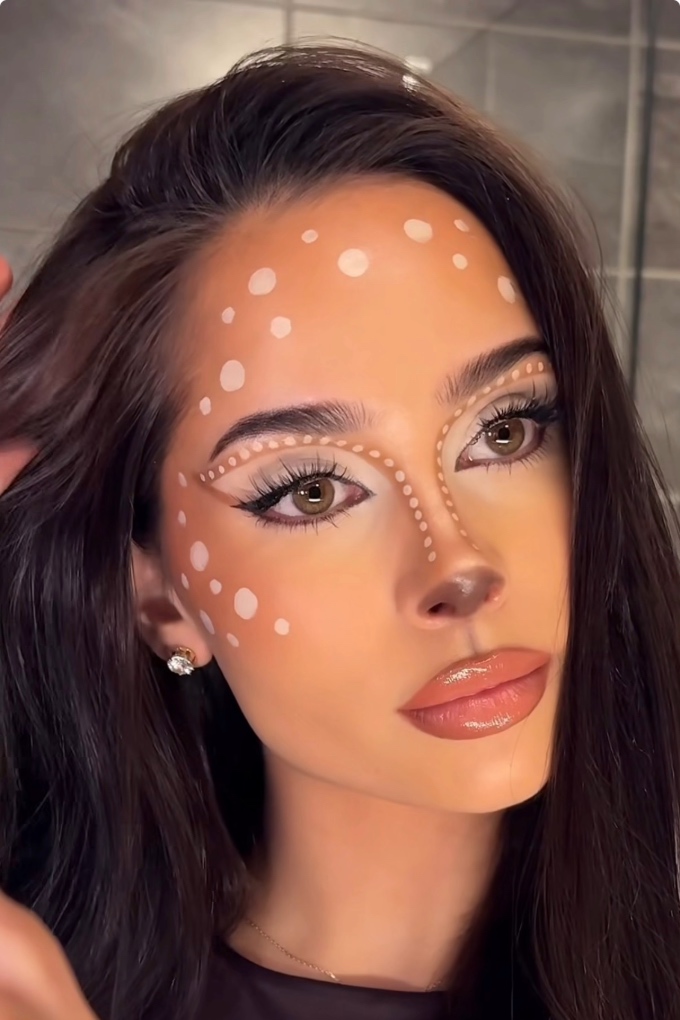
Across the board, the reign of Thai make-up was not something that many expected, but it’s a welcome return to full glam nonetheless. “There’s a keen interest in looking like you’re wearing ‘more make-up’ with obvious lashes, liner and bronzer—this is a quintessential Thai make-up look,” explains make-up artist Victoria Hwang.
To add, fellow make-up artist Kenneth Chia notes that this new iteration of glam prides itself on being wearable and accessible. “Eyes are getting smokier, lashes are huge again and inner corner shimmers are back. Whether it’s an ethereal incorporation of metallic accents or a subtly smoked-out lash line, there’s definitely a return to form for glam make-up,” he adds.

5 / 11
More one-and-done products
Time’s never on our side, so when you’ve got products that help you create a seamless, full beat that still looks good, it’s bound to be a hit with the masses. “We’re doing away with overly-cluttered make-up bags and individual shadows. Brands are doubling down on multi-functional products in textures that work across eyes, lips and cheeks. Having products that are multi-functional also puts the power back in consumers’ hands as the things you can do with one product alone has just multiplied infinitely,” notes make-up artist Kenneth Chia. “This might also lead to more cohesive lip-cheek-eye looks in the first half of 2025,” adds make-up artist Victoria Hwang.

6 / 11
The gut-skin-brain axis comes into focus
2025 will be all about holistic skin health. “People are finally noting that skin health goes beyond what they put on their skin. The state of your skin is mostly affected by inflammation. And what triggers inflammation on your skin can be as far away and seemingly unrelated as your gut or your emotional state. This year, people will slow down and start keeping tabs on overall wellness, diving deep into root causes for poor skin health. The gut-skin-brain axis will finally have its time to shine as we recognise that skincare also encompasses lifestyle habits and choices that set you up for overall health in the long term,” predicts Dr Shauna Tan.
Digging deeper, this might manifest in multitudes like skin-immunity boosting ingredients or edible skincare capsules. “Ingredients aimed at fortifying skin immunity, like pre-, pro- and postbiotics, will continue to gain traction, providing a deeper layer of resilience for the skin, as awareness around skin microbiome grows,” explains Lee Jungmin, founder and CEO of leading K-beauty marketplace Ksisters. “Personalised, single-use skincare capsules that target specific needs like hydration, anti-aging and brightening will also emerge, offering convenience with low environmental impact.”
“With advancements in AI and skin diagnostics, customers will demand solutions that are not only tailored to their skin type but also adapt to their lifestyle, environment, and even hormonal changes. Skincare will no longer be one-size-fits-all—it will be dynamic, data-driven, and deeply personal,” says Caring Skin founder Subrina Liew.

7 / 11
East meets West
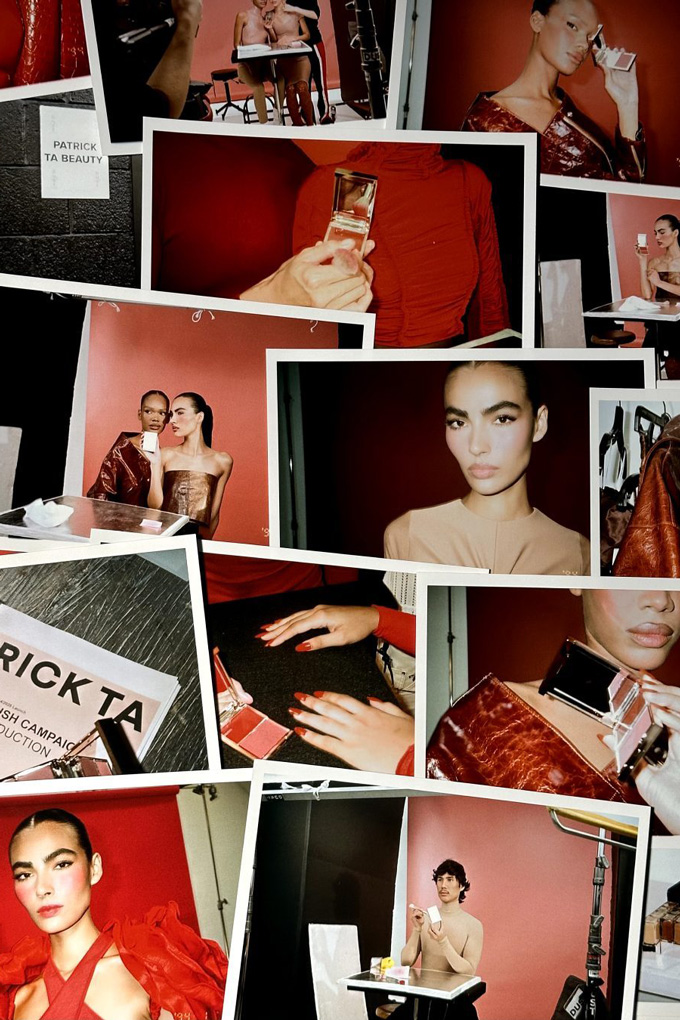
“Already a trend in Asia, ‘beige blush’ is finally rolling over to the West. Patrick Ta just teased a new launch of his blush duo with new colours, with the focus on creating a natural flush in the skin. Mac Cosmetics is also bringing back more nude lipsticks from the archive. Lisa Eldridge and Refy Beauty have also launched new products (point concealer & lip crayon respectively), which were huge in South Korea in 2024. With the rise of Asian beauty markets in general, product innovation in Asian beauty is certainly going to impact the Western beauty market,” explains Victoria Hwang.

8 / 11
The rise of tweakments and stealth procedures
According to Dr Shauna Tan, extreme or overly dramatic results are out. “Tweakments or ‘stealth procedures’ which gives that amazing effect of looking so good people know you probably did something, but they can’t identify it per se. We want to look lifted, refreshed and ready to conquer the world without getting asked what our last procedure was.”

9 / 11
The rise of herbal, fermented and traditional Asian ingredients
According to Jung Beauty and Ksisters founder Lee Jungmin, a resurgence of fermented Korean herbal ingredients—such as kombucha, mugwort and ginseng—will appeal to consumers interested in natural, time-tested remedies with potent skin benefits. “Herbal fermentation enhances ingredient potency and skin absorption, which helps improve the skin barrier and overall hydration,” she explains.

10 / 11
What comes after the Ozempic craze?
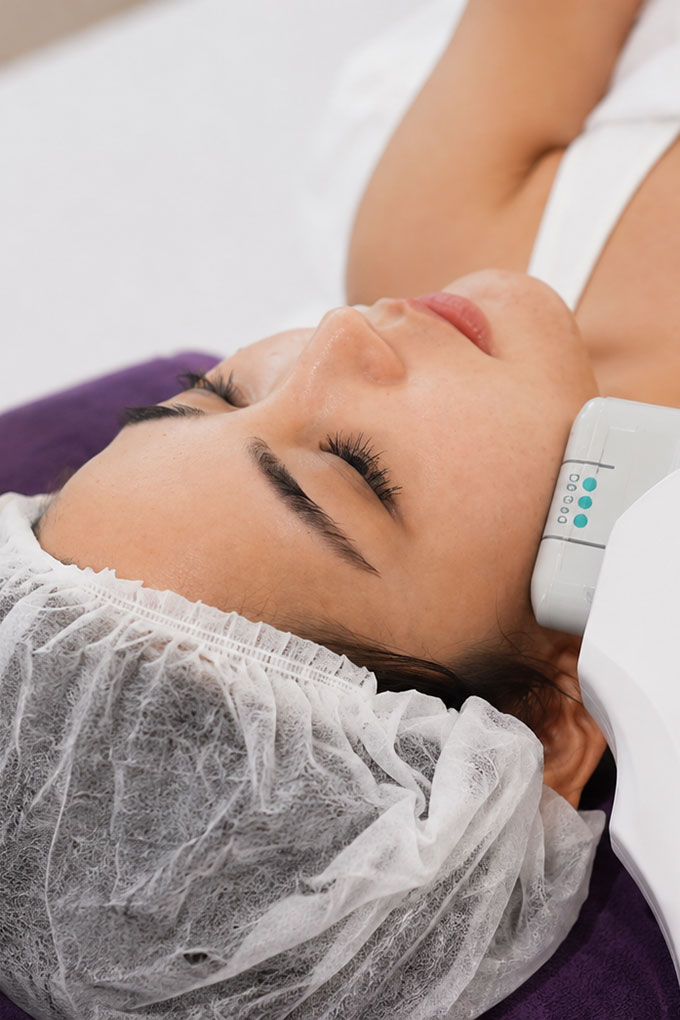
“With the rise of Ozempic and Saxenda in 2024, rapid weight loss from GLP-1 became a global phenomenon. But with it came other problems like facial hollowing and sagging skin which can result in a prematurely aged appearance. In 2025, we will see an increased demand for procedures to restore facial volume with fillers and skin tightening and lifting procedures. Think Ultherapy or Morpheus8,” predicts Dr Shauna Tan.

11 / 11
The rise in acceptance of AI-driven beauty
“The integration of technology in beauty, such as AI-driven personalised skincare and beauty apps, is revolutionising how consumers select and use products. At Sigi Skin, we are already utilising these technologies that can analyse skin conditions in real-time and offer customised product recommendations for our customers,” sums Sigi Skin founder, Xenia Wong.
“Beyond the incorporation of AI into aesthetics in the form of skin analysis or virtual try-ons for shade matching, the incorporation of VR for patients to experience or see what they may potentially look like after certain procedures is also a space to watch. AI can be extremely useful in the product development stages for skincare or cosmetic products. For instance, with Hapsense, a locally-developed skin sensor, it can provide objective quantifiable feedback during the consumer testing process compared to solely relying on conventional methods like consumer surveys or focused group sessions,” further explains Dr Shauna Tan.