“It’s about complementing your natural traits. And incorporating it in ways that suit you,” offers Annabelle Siena Lim, a personal colour consultant and founder of Belgrace Institute. A new dawn of personalised services and experiences have surely risen the ranks in recent years—and it’s safe to say that personal colour consultations have been all the rage across Asia, especially in Seoul.
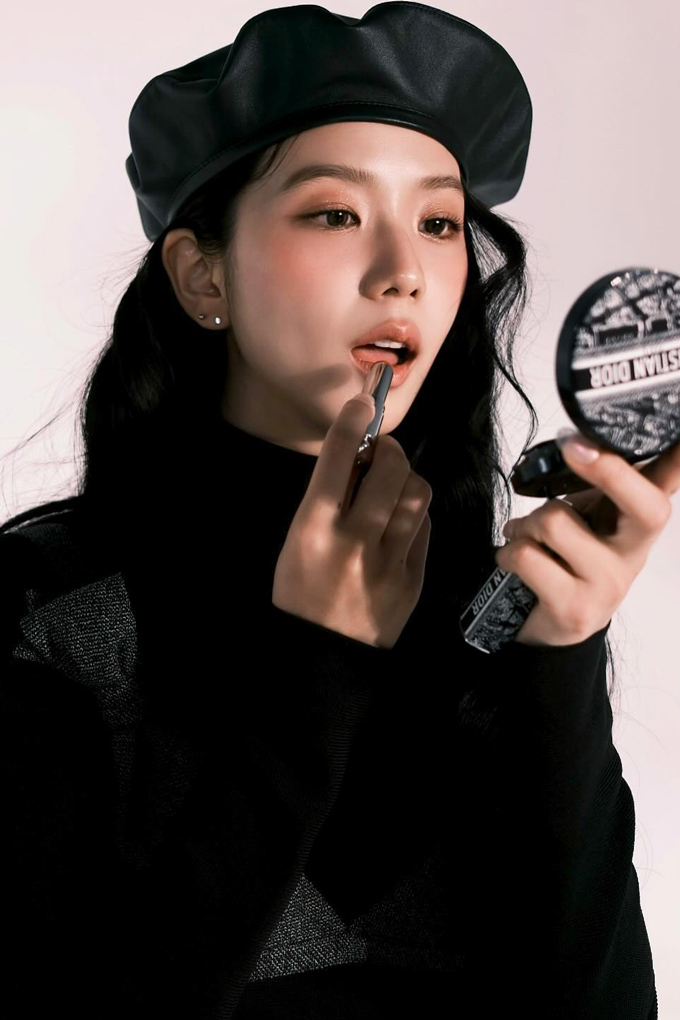
Early last year, the service had been by Jisoo of Blackpink for one of her vlogs, where she was seen undergoing the fabric draping process in order to properly ‘diagnose’ her seasonal colour palette. This was to gather her hue and chroma, in turn helping her consultant to narrow down the colours she should be wearing, and perhaps more importantly, the ones she shouldn’t be. The K-pop sweetheart then used her colour analysis result (Jisoo’s a Deep Winter, if anyone’s asking) to decide her eventual hair shade.
Despite the hype surrounding the service, many have remained understandably skeptical about what the experience might constitute. I myself, shared similar sentiments about how I would emerge feeling, if I were to go through with a consultation of my own. What if it turned out entirely different from what I believe works for me? Would I be pressured into thinking that certain shades are not ‘me’ per se? Turns out, I had nothing to be worried about.
My maiden experience was akin to Jisoo’s; a personal consultation prior to choosing my new hair colour at Korean hair salon Suchehwa by Ted. In the safe and assured hands of Lim, we began with a generic overview of the seasonal colour chart. Which is when I found out that any Asian looking to do the consult should err on the side of caution should their analyst be utilising a Western colour chart, as most Asians automatically tend to be classified as Winters or Autumns due to their darker hair and eye colour.
An extensive fabric draping circuit revealed my seasonal colour category to be a Strong Spring—meaning bright and vivacious colours bring out my best side, whilst light pastels should be avoided. Lim studied my natural complexion whilst narrowing down the colours; opting to stay away from colours that dulled my complexion, or greyed out my under eyes.
Personally, Strong Spring made sense to my already natural leanings towards exuberant hues, be it in my fashion sensibilities or my make-up preferences. With a bright complexion and high contrast face, Lim’s advice was to opt for blushes that would cast me a radiant, natural glow and highlight my warm complexion with soft browns or champagne-toned eyeshadows. And as for the lips? A bold red lip—a hue I often reach for—works wonders for me. Since my aim was to eventually get my hair done that day, she asked if there was a particular colour I had in mind. Admitting that I had come in with the intention of getting a variant of red done for my mane, she advised that Strong Springs are capable of carrying reddish and orange-brown hues. But what I appreciated was that the final decision still laid very much in my hands.
And it went beyond this mere instance too. Even when I was recommended more gold or rose gold jewellery despite owning mostly silver, she acknowledged that it depends on my personal approach to it as well; silver in this instance, might be my preference because I enjoy that stark contrast—as opposed to accessories that would blend in with my skin tone.
Throughout the process, there was constant discussion about my own personal tastes and preferences; if these were shades I would pick out on my own; what neutrals I felt more comfortable wearing; and what sort of aesthetic I would be looking to emulate. We also discussed how such a vivid palette might be incorporated into more formal, corporate settings without much leeway to express themselves freely. By sharing my own preferences, it gradually grew easier to discuss my ideal primary and secondary palette (shades of Deep Autumn would do me well too), what sort of looks I could create and the overall vibe I had in mind. Not once did it feel stressful or pressurising; with Lim, the priority was on what felt best for me. “What’s important is that we make people feel comfortable. Personal colour analysis should never be about changing you. It’s always about making you feel like the best versions of yourselves.”
Find out more about Belgrace Institute and book a slot at Suchehwa by Ted here.