Fashion today feels like it’s splintering into infinite directions—more experimental, avant-garde and at times, outlandish. Yet, even in this whirlwind of fresh ideas, there’s a subtle yet compelling shift occurring—an almost reverent return to the house codes that laid the foundations for the industry’s most illustrious brands. As we step into 2025, we’re unlocking the vault of classics, dusting off those familiar symbols of luxury and letting their roots reclaim their place in the spotlight.
Some of the most revered names in fashion owe their status to the visual and stylistic language they’ve crafted over decades. Chanel’s identity, for example, is deeply entwined with Coco Chanel’s story. The tweed jacket—a masterstroke of refinement and functionality—has become a hallmark. Over the years, Chanel has recalibrated its proportions and palette, yet the jacket remains an enduring expression of the maison’s ethos. It reflects an approach that values both custom and meticulous craft.
Similarly, Dior’s New Look, unveiled in 1947, fundamentally reshaped women’s fashion. Christian Dior’s Bar jacket and full skirts encapsulated an aesthetic of opulence and sophistication that contrasted sharply with the austerity of wartime. Under Maria Grazia Chiuri’s tenure, these motifs endure, but with layered narratives of empowerment and inclusivity woven in. The Bar jacket continues to evolve through her collections, enhanced with subtle changes that speak to contemporary sensibilities while maintaining its essence as a pillar of the brand’s identity.
At Louis Vuitton, the monogram is the ultimate emblem of its legacy. Originating as a practical mark to prevent counterfeiting, it has transcended functionality to become a cultural artefact. Nicolas Ghesquière has deftly adapted the monogram, amplifying and reimagining it across collections to keep it relevant. Whether abstracted into new forms or imaginatively interpreted, the monogram anchors the house’s narrative while offering fresh perspectives to new generations.
Prada’s principles, rooted in eclecticism and pragmatism, have always defied expectations. From its beginnings as a leather goods shop to its current standing as a powerhouse of intellectual design, the maison’s vision balances utility with elegance. The nylon bag—a standout since the 1980s—exemplifies this duality. Under the stewardship of Miuccia Prada and Raf Simons, contrasting materials and playful details redefine sophistication.
Hermès, in contrast, epitomises restraint and artistry. Pieces like the Kelly bag are not just accessories but symbols of painstaking workmanship and discretion. By focusing on materials and technique rather than overt branding, Hermès has forged an aesthetic where every stitch carries meaning. The Kelly bag’s evolution is subtle, prioritising refinement over reinvention, which reflects the maison’s philosophy of lasting quality over transient trends.
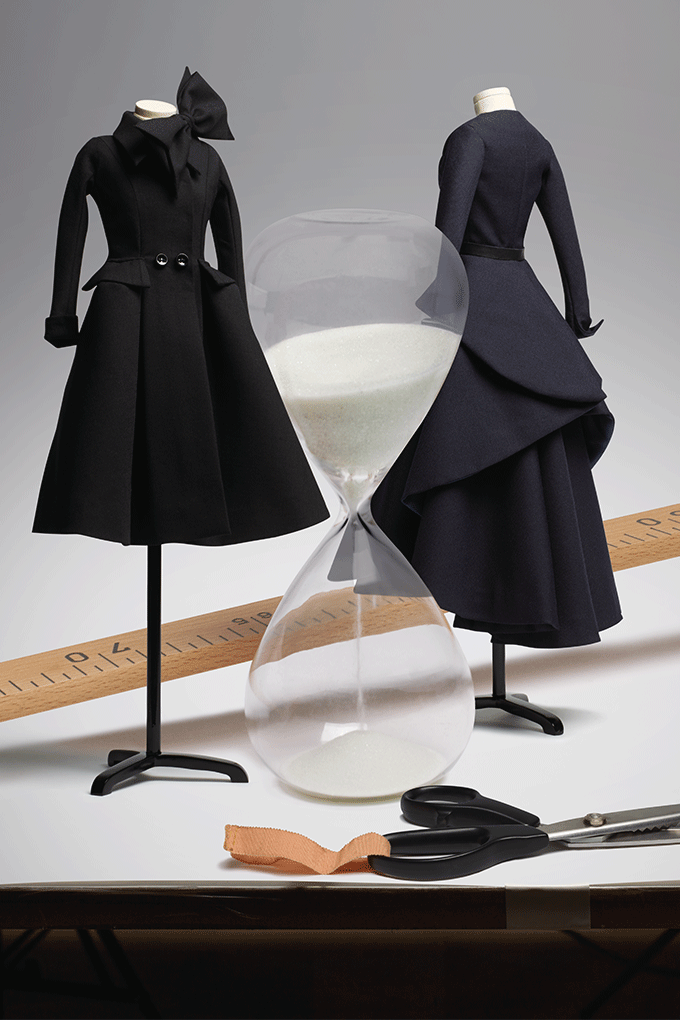
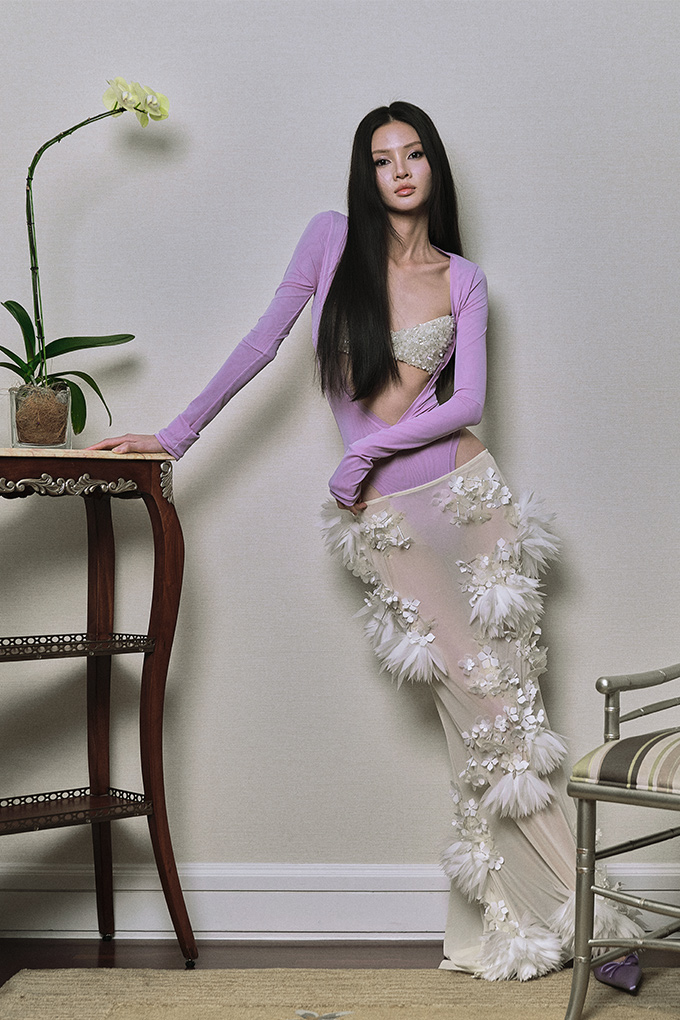
As fashion unfolds in 2025, the spring/summer collections reveal a striking return to the pure essence of each house’s identity. Chanel’s Grand Palais showcase celebrated the maison’s rich tradition with raw, unrefined tweed suits and feathered accents, embracing the foundational mastery that made the brand great. These familiar elements, from the classic tweed jacket to the tailored silhouettes, were presented in their most authentic form, breathing new life into Chanel’s long-standing tapestry. Dior, too, revisited its foundation, with Chiuri drawing on the Greco-Roman influences that have always defined the house. Through reimagined Bar jackets and sporty bodysuits, the collection paid tribute to Dior’s commitment to elegant, structured femininity, with soft tulle gowns closing the show as a nod to the romantic threads that still permeate the brand today.
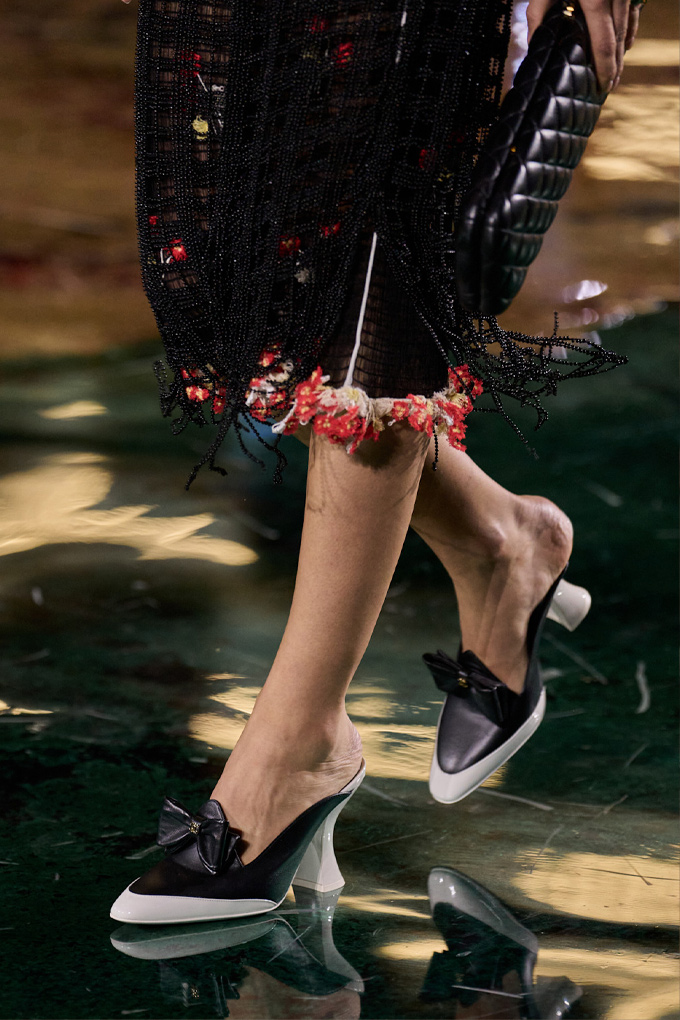
Louis Vuitton, under Ghesquière, revisited the house’s illustrious archives with Renaissance-inspired silhouettes, while trunk-handle footwear and collaborations with artist Laurent Grasso harked back to Louis Vuitton’s origins as a travel brand. The essence of Louis Vuitton’s pioneering spirit was ever-present, reminding us of the brand’s core while offering something new.
Rather than making dramatic changes, these offerings are a celebration of perpetual foundational elements. They remind us that the most rebellious thing a brand can do is return to the essence of what originally defined it, standing at the intersection of nostalgia and fresh design.
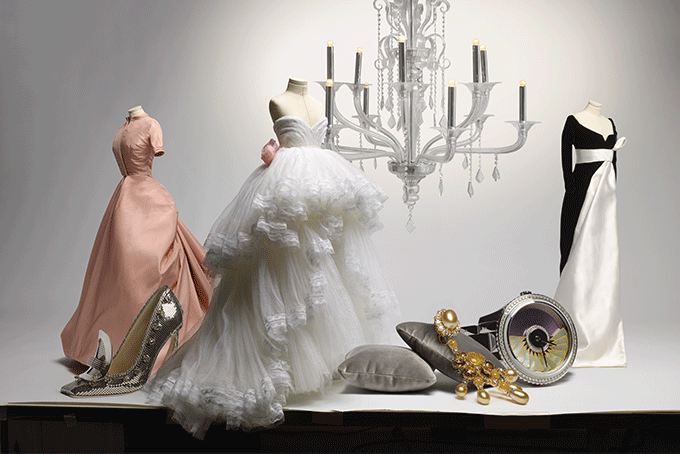
Why is this return to roots so significant? At its core, it’s about establishing trust and authenticity in an age of fleeting trends and fast fashion. For the consumer, buying into a house’s signature elements offers a sense of connection—owning a piece that carries decades of history and embodies the values that first made the brand aspirational. A Chanel tweed jacket or an Hermès Kelly bag represents artistry and a reputation that transcends seasons. It’s the antithesis of disposable culture, inviting consumers to participate in a lineage of excellence.
As we enter a new chapter with the arrival of fresh creative directors, the industry is buzzing with anticipation and intrigue. Michael Rider’s appointment at Celine marks a shift towards pared-back elegance as he moves away from Hedi Slimane’s youthfully rebellious narrative. Rider is poised to revive the minimalist foundation of Celine, while infusing a fresh, dynamic perspective that resonates with today’s more discerning clientele. At Chloé, Chemena Kamali took the reins, expanding upon the brand’s romantic, bohemian DNA with a renewed focus on inclusivity and storytelling. Meanwhile, at Valentino, Alessandro Michele continues to craft a layered narrative where haute couture intersects with a spirit of exploration, blending historical elements with audacious, forward-thinking designs.
These changes in leadership signal much more than a reshuffling of creative minds—they reflect a broader dialogue within the fashion industry. As these storied houses revisit their foundational principles, their new creative directors serve as both interpreters of the past and architects of the future. Their role is to bridge the gap between origin and innovation, ensuring these beloved brands remain relevant without losing the soul that made them great. Whether it’s Rider’s minimalist vision at Celine or Kamali’s bohemian reimagining of Chloé, these creative directions highlight the delicate balance between evolution and respect for what came before.
The return to house codes signals a deeper commitment to artisanship, authenticity and purpose within the industry. By anchoring their narratives in these guiding notions, these visionaries are setting a course that feels both grounded in history and trailblazing in its approach. In a world where everyone is chasing the next big thing, those who remain true to the values that first made them great have a distinct sense of purpose. It’s about evolving within the framework of their roots—staying fresh while never losing sight of the qualities that made them stand out. It’s the perfect mix of anarchy and structure, proving that sometimes, the way forward begins with looking back.
Vogue Singapore’s January/February ‘Resolution’ issue is now out on newsstands and available online.