It is my third week of junior college and I am seated along a long table in the crowded school canteen, squeezed shoulder-to-shoulder with my new theatre classmates. At the far end, two of my new friends converse loudly and unabashedly about the trials and tribulations of secondary school crushes. There are discussions of unrequited love and the things they have done to impress enigmatic school seniors. Both my friends have come from single-gender secondary schools. No one bats an eyelid. I stay quiet and focus on finishing my lunch, but on the inside, I’m amazed. How are people so comfortable in their queerness?
The theatre was the first space I found myself in after I realised I was queer. Within a year, I went from barely being able to acknowledge my identity to being entirely comfortable in my own skin. Without looking for it, I had stumbled into a safe space.
It was only after my classmates and I left the theatre that I started to feel increasingly out of place. Having turned 18 and no longer stuck in rehearsals from morning to night nearly every day, my friends began frequenting queer parties of all sorts. I have tagged along on rare occasions, and on rarer occasions, enjoyed myself at a few of these events. But nightlife spaces have always been overstimulating for me—loud to the point where it’s physically painful and often so crowded that I find it difficult to breathe. My friends looked out for me when I joined them, but there was only so much they could do.
Thus began my search for queer spaces I could call my own. To be precise, I found myself looking for a physical social space or community created specially for queer people. In essence, a space where queer people would not have to feel like they are different.
“Community isn’t only present in the spaces that explicitly label themselves queer”
What I’ve discovered is that there are niche communities out there for those who seek them out. There are a handful of book clubs, sports interest groups and study groups—and over the years, these have increased. But for the most part, the most accessible form of physical queer spaces in Singapore still lies in nightlife.
This is not to discount the efforts of those who have worked to create these venues, but admittedly, I have found myself at times wishing for more varied queer spaces in Singapore, especially as someone who struggles with nightlife. But that, of course, is easier said than done. The reality is that many of these spaces are ultimately businesses—and businesses may not be able to rely solely on the queer community to survive.
So how do we move forward from here? Perhaps the more achievable goal to aim for is the creation of more spaces that are not necessarily queer, but free from prejudice. Spaces that might not be built specifically for the queer community, but actively work to show their support. Spaces where queerness might not be assumed, but neither is cisheterosexuality.
Community isn’t only present in the spaces that explicitly label themselves queer. There are spaces like The Projector that have shown their support with queer events and diverse programming, so much so that there exists a reassurance that this is somewhere queer people can feel like they belong. And there are venues like 195 Pearl’s Hill Terrace that seem to have become judgement-free zones where anyone, including queer people, can come as they are and build a space for themselves.
Just as I’ve experienced in the theatre, I’ve watched queer friends find their people through certain genres of dance or hobbies like cosplay. I have been fortunate in this aspect, to have so many of my interests lead me to people who have wholeheartedly embraced me for who I am.
Perhaps that is the hope then: that one day, queer people will no longer need to walk into a space created just for them in order to feel welcome.
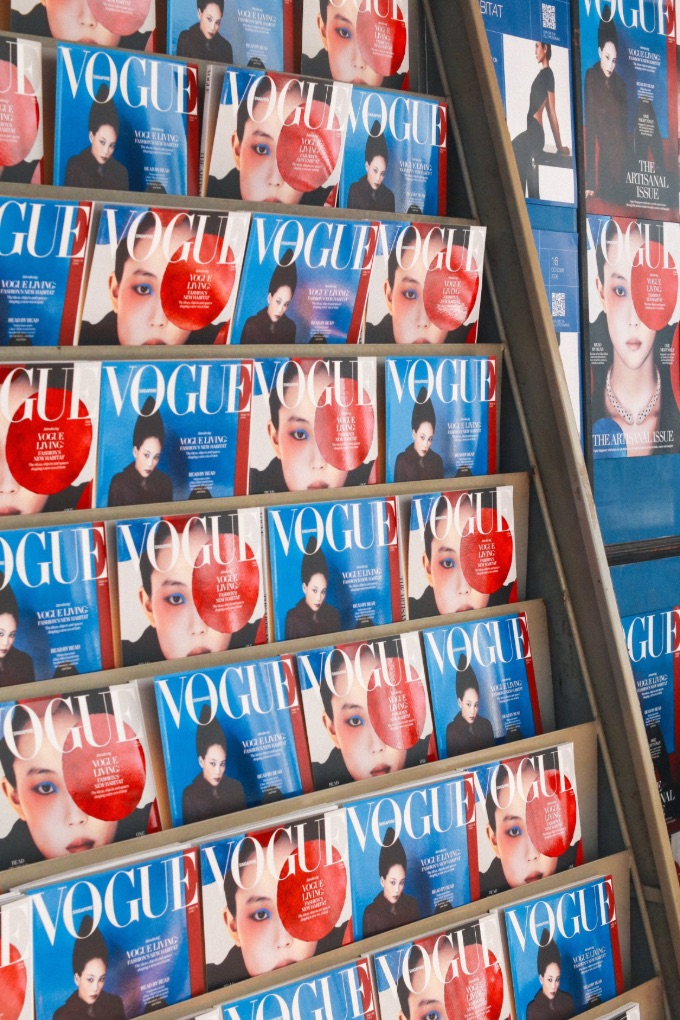
The October anniversary ‘Community’ issue of Vogue Singapore is available for sale online and in-store now.