Bedtime beckons: it’s finally time for some well-deserved rest. Down the hatch goes your sleepy girl mocktail and daily dose of magnesium glycinate before you lie down on your 1000-thread-count sheets. Yet, even the most potent combination of sleep aids is no match against a long-established pattern of poor sleep habits. In Singapore, a country consistently ranked as one of the top few sleep-deprived nations, it seems that quality sleep is but an elusive idea. Stress, environmental factors and revenge bedtime procrastination have turned it into a luxury some of us can’t afford, despite buying into countless sleep hacks and supplements.
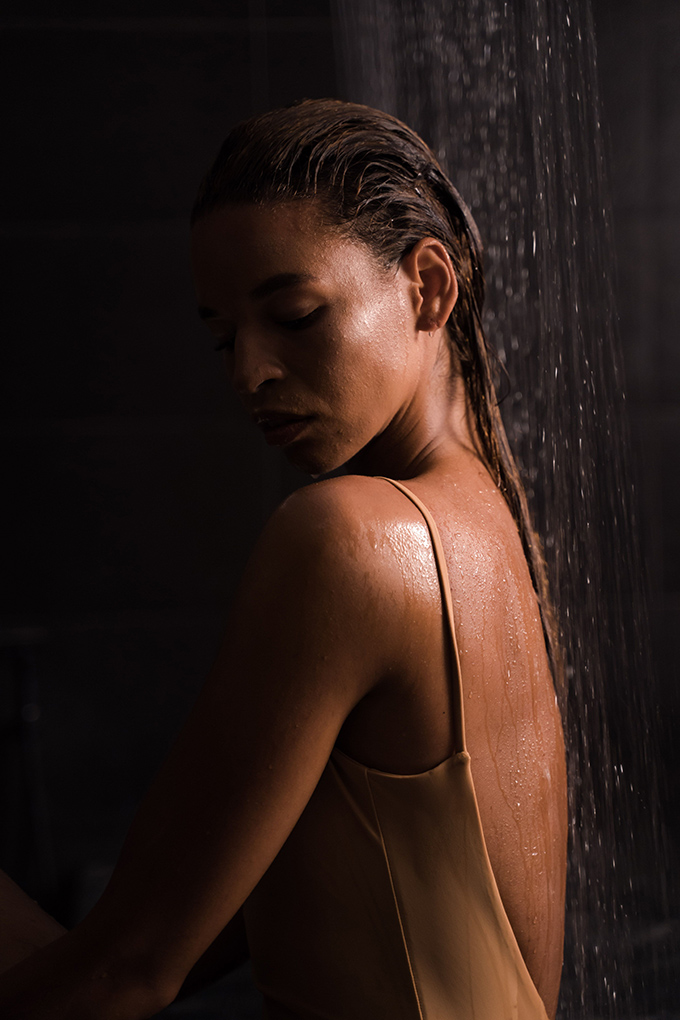
Thankfully, a new wellness trend that might bring you one step closer towards a restful night has emerged. Enter dark showering. It is exactly as it sounds—showering with the lights dimmed or, in some cases, turned off completely. Unlike its other sleepmaxxing predecessors, the bathing practice invites you to do less for purportedly more benefits.
The relaxation trend has found itself a niche following on the Internet, with social media users touting the practice as a way to calm the mind, trigger melatonin production and tell your brain that it is time to hit the hay. The polar opposite of cold morning showers that are meant to invigorate, dark showering focuses on winding down and setting the foundation for restorative sleep.
Poorva Maithani, 21, first tried a dark shower at 16, after a stressful day. Since then, she’s been a devotee. “It helps me to destress and calm down,” she says. “The next morning, I wake up more refreshed and ready for the day.”
View this post on Instagram
With positive reviews of dark showers in tow, Vogue Singapore unpacks how dark showering can promote relaxation and, hopefully, lead to better sleep.
Why darkness matters for sleep
While there is limited research on dark showering as a standalone sleep cure, sleep science is firm on how light and heat can affect the body. Depending on how you utilise them, they can nudge you towards sleep or make you more alert. Light is the strongest regulator of your body’s internal clock, or circadian rhythm, after all. Beyond affecting sleep patterns, the circadian rhythm modulates how awake and alert you feel in the morning and your energy and hunger levels throughout the day, as well as the secretion of hormones like cortisol and melatonin.
For those living in big cities where artificial light or LED signage and street lamps are in constant view, a dimmed shower environment is a welcome salient change. By simply dimming the lights or turning them off, the brain sees one less visual stimulus. The shower transforms into a makeshift sensory deprivation room where your brain can essentially take a break from processing visual cues. With fewer senses engaged, you can truly focus on the experience of taking a shower and be present and mindful. The once inconspicuous sounds of water and sensation of shower products on the skin can feel that much more soothing.
“I think that because I cannot see and hence cannot visually perceive myself, I don’t perform or pretend,” says Poorva. “I am fully present to relax and enjoy taking care of myself and my body.”
View this post on Instagram
Some dark showering practitioners also opt to shower in red light or candlelight—which corresponds to the warm yellow and red regions of the electromagnetic spectrum. While research on red light for sleep is still growing, some studies suggest that exposure to red light before bed can promote melatonin production.
A sleep aid, not a standalone cure
As is, incorporating dark showers into your routine will not undo years of inadequate sleep habits. What dark showering does do is provide an opportunity to practise mindfulness and limit light exposure before bed. When done around the same time nightly, coupled with the same scents, sounds and sensations, you’re essentially creating a familiar and predictable wind-down routine that signals to your brain it’s time for bed. Humans are creatures of habit—one small environmental adjustment can do a lot to overturn our less desirable habits.
The temperature of your showers also plays a crucial part in cooling the body down in preparation for rest. While it sounds counterintuitive, a warm shower can aid in your body’s temperature regulation process, contributing to better sleep. Aim for a shower temperature of around 40° to 42°C.
Testing the waters
If you’re convinced and ready to try dark showering, it might be best not to go all in. Test the waters first by dimming the lights slightly, lighting a candle or using a night light. Some dark showering aficionados also recommend using a salt lamp for a warm, ambient glow. After a dark shower, avoiding bright lights and screens helps you maximise its calming effects, making you nod off more easily.
View this post on Instagram
“Dark showers have improved my quality of sleep for sure,” says Poorva. “The lack of light calms my eyes down, and I embrace the tiredness of my day, which helps me sleep so much better. I would 100% recommend it.”
Even if dark showers can’t put you to bed immediately, there’s no denying the magic of a warm shower as part of a larger holistic wellness ritual. After all, showers are not merely a physical cleansing routine that clears the grime off of our bodies. When done with mindfulness and intention, they can be a physiological and mental reset button after a long day.