In the world of Chanel, fashion and cinema are closely intertwined. “They represent two creative universes that respond to and inspire each other,” begins Elsa Heizmann, Chanel’s global director of cinematic relations. “The gathering of these two worlds creates an opportunity for multiple artistic collaborations—first and foremost, the creation of costumes—and allows the emergence of a common and prolific imagination. As an artistic medium, it also extends the spirit and allure of Chanel.”
When Gabrielle Chanel began dressing Hollywood actresses in the ’30s, it marked a turning point for how fashion and cinema could influence each other. Thus began the maison’s long-standing relationship with film—a deep connection that has only strengthened over the years.

Karl Lagerfeld continued this legacy, with actresses like Kristen Stewart, Margot Robbie and Tilda Swinton wearing his creations both on screen and on red carpets. Today, the fashion house takes its commitment to cinema even further, through costume creation, loans of clothing and jewellery, financial backing for film production and supporting film institutions and festivals worldwide.
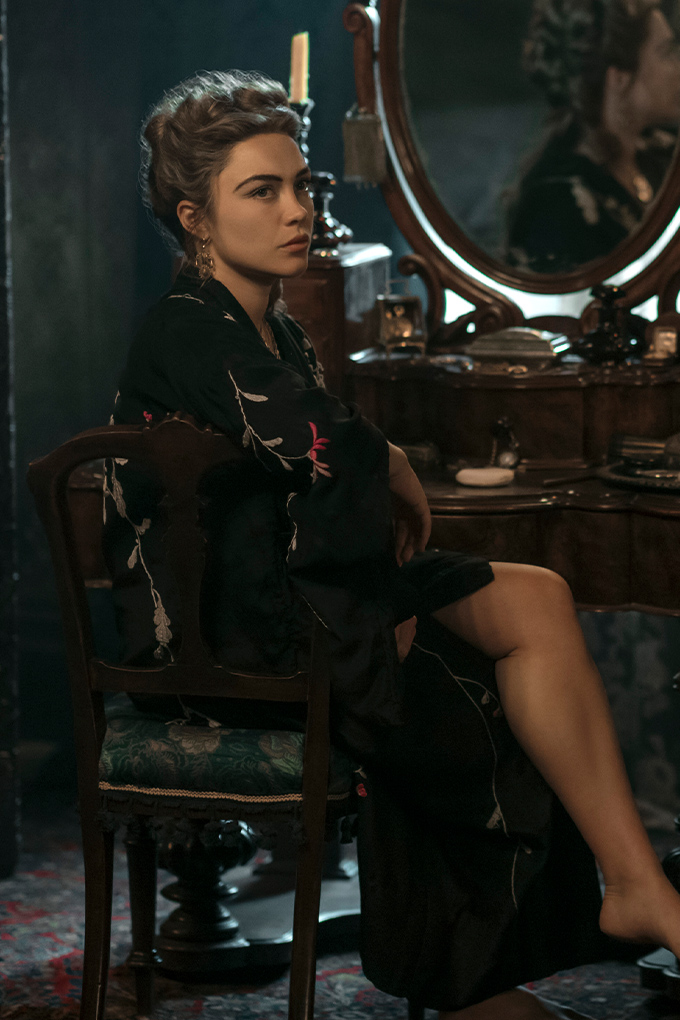
In Sofia Coppola’s Priscilla, for instance, the wedding dress that actress Cailee Spaeny wore in the pivotal scene where she marries Elvis was created by Chanel as a homage to Priscilla Presley’s unique sense of style and rock’n’roll elegance. More recently, Chanel also supported Singaporean director Eric Khoo’s Spirit World, providing funding as well as loaning clothing and jewellery creations for the film. Committed to supporting emerging talent as well, the fashion house has also launched the Chanel and Cinema—Tokyo Lights programme led by renowned director Hirokazu Koreeda to nurture a new generation of filmmakers.
Here, Heizmann shares more about the role that film plays in Chanel’s cultural fabric, and how the fashion house supports Asian cinema in particular.

In what ways do you see Chanel’s involvement in cinema having an impact not just in the fashion world, but also in broader cultural narratives?
Chanel is involved in projects in various creative fields—not just cinema, but also dance, literature and so on. It favours artistic encounters within the cultural fabric which fashion belongs to. The projects we support reflect contemporary topics such as the place of women in society in Little Girl Blue by Mona Achache, or climate change in The End by Joshua Oppenheimer.
Could you share examples of projects where Chanel’s involvement behind the scenes enhanced the film’s storytelling or visual language?
When we create costumes for a film, it is essential for the Chanel piece to have a real importance in the storyline. It must express and extend what makes a character unique. In the movie Priscilla, Chanel created the wedding dress worn by Cailee Spaeny in the pivotal scene of her wedding to Elvis, re-interpreting the dress Priscilla actually wore on her wedding day to the singer in 1967. Sofia Coppola wanted a piece which evokes the idea of innocence. That’s why this embroidered gown was created in the spirit of Chanel’s spring/ summer 2020 Haute Couture collection which was inspired by The Abbey of Aubazine where Gabrielle Chanel spent a part of her childhood.
Chanel has a wonderful group of house ambassadors as well as friends of the house from the film industry. How do these talents contribute to Chanel’s universe?
Cinema talents close to the house are invited to participate in projects related to our fashion activities, highlighting their work and integrating them into our universe. Ambassadors Tilda Swinton, Xin Zhilei and Leah Dou, for example, recently starred in a short film by Wim Wenders to announce the latest 2024/25 Métiers d’art show in Hangzhou. Not only do they inspire our creations, they also become part of an international creative community that reunite through moments of exchange, gathering and collaboration. It is also very important for us to support our ambassadors’ projects: The End with Tilda Swinton, Little Girl Blue with Marion Cotillard or Kristen Stewart’s latest movie The Chronology of Water for example.

Tell us more about the Chanel and Cinema—Tokyo Lights mentorship program. What inspired this initiative?
Japan has such a long, renowned cinematographic tradition. Hirokazu Koreeda reached out to us as he was looking for a collaborative partner to nurture the young talents in the Japanese film industry. This new programme aims to encourage the creativity of young Japanese directors, offering them a platform for expression and access to a network of professionals in the film industry.
Chanel has recently lent its support to pioneering Singaporean director Eric Khoo’s new film, Spirit World. What did this project mean to the house and why is it important for you to support Asian cinema?
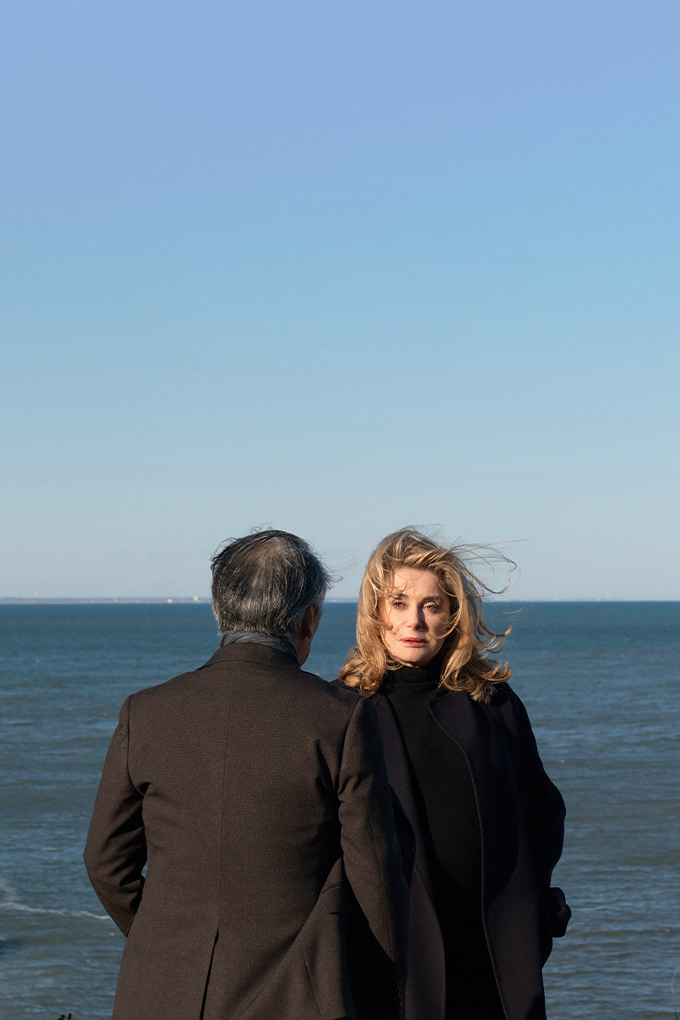
Asia has a strong and diverse cinema scene with many talented artists. By supporting this project, Chanel encourages the artistic vision of one of today’s biggest directors and the recognition of a great Singaporean voice. The multicultural aspect of this audacious auteur movie was also appealing. Filmed in Japan, it gathers the talent of legendary French actress Catherine Deneuve who was the face of the Chanel N°5 perfume in the ’70s, Japanese actors Masaaki Sakai and Maiya Goshima, and famous Singaporean director Eric Khoo.

Looking ahead, what is your vision for the next phase of Chanel’s relationship with cinema? Are there new areas of collaboration or artistic exploration that excite you?
We will continue to support authentic experiences that provoke emotion, surprise and make people dream, nourishing the rich dialogue between fashion and cinema. Chanel keeps the dream of cinema alive by supporting both film creation and transmission while encouraging artistic encounters. We also aim to continue to create moments of sharing and discussion around cinema for Chanel communities.
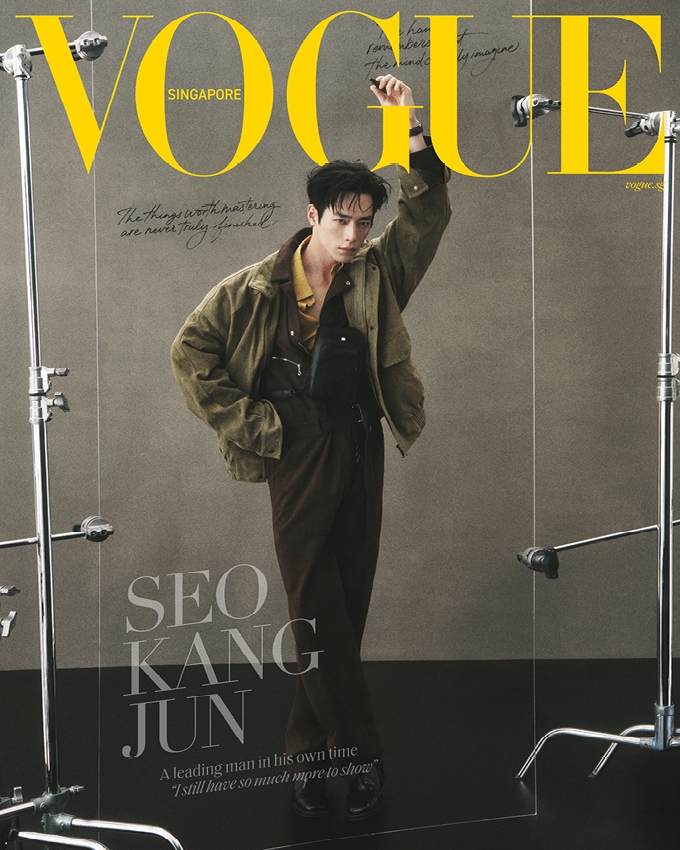
Vogue Singapore’s March ‘Vigour’ issue is out on newsstands and available to purchase online.