Deodorant is a largely uncontested necessity. One could even argue that it should be a part of more people’s daily routines. Whether you’re prone to sweating or heading straight from the gym to dinner, deodorant is a requisite of public etiquette, particularly when it comes to avoiding body odour in shared spaces.
A rather mindless act, applying deodorant can make it easy to mistake the product for a lighter perfume; just a little more than a scented veil—with little difference beyond fragrance. But deodorant is not perfume. Rather than simply masking unpleasant odours, a good deodorant should neutralise them, actively counteract the bacteria that cause odour, and allow sweat to escape the skin rather than merely providing a temporary cover-up.

Aluminium compounds: the good, the bad, and the ugly
It’s not simply a matter of using organic ingredients—those can irritate the skin, too, especially for those with sensitive skin, due to the natural fragrances. It’s more specifically related to aluminium compounds found in many spray formulas like antiperspirants. These are purposely added to ionise and form microscopic polycation structures when they come into contact with moisture or sweat. The structures clump with the proteins in sweat, which in turn creates an insoluble physical barrier—that obstructs the sweat and the accompanying BO from reaching the skin’s surface.
“Natural deodorant lets your body sweat—which it’s supposed to do, that’s how you regulate temperature. Antiperspirant takes the opposite approach. It uses aluminium salts to form a plug inside your sweat duct—which blocks sweat from reaching the skin’s surface,” says, Diane van Zwanenberg, founder of Coconut Matter, a zero-waste clean beauty brand that got its start in aluminium-free deodorants. “Now here’s something worth knowing: sweat itself doesn’t actually smell. It’s basically odourless. The smell comes from bacteria on your skin feeding on your sweat. So if odour is your main concern, it was never really about the sweat—it was always about the bacteria.”
Aluminium, in turn, stops both sweat and BO from being omitted. However, as aptly put by van Zwanenberg, the problem really is just the BO: and by preventing the moisture from also being released, it causes a build-up of dead skin cells, sweat, oil, and leftover product in your underarm hair follicles and sweat ducts.
In general, this process does not permanently clog sweat glands—but overtime, if antiperspirant is sprayed repeatedly, as its usage implies, it doesn’t give the skin cells enough time to go through their normal turnover cycle.

What happens when you switch to roll-on deodorant
When switching from antiperspirant, or spray deodorants, to the roll-on alternative, the process often requires some level of patience—particularly for long-time users of products containing aluminium. When initially using roll-on deodorant, the body undergoes a detox—lasting between two to four weeks—as the skin cycle resumes and the old dead skin cells, antiperspirant, and bacteria are finally released from the sweat ducts. But the experience is ultimately individual, notes van Zwanenberg, in that the “transition period” will impact everyone to different degrees, depending on their unique skin chemistry.
But it’s not really about a roll-on, specifically, but looking for aluminium-free formulas. “‘Roll-on’ gets used as a catch-all, but there are actually different formats—a roll-on is a ball applicator with liquid or gel, and then there are glide-on balms like ours which are solid. Both are applied directly though, and that’s the key difference from a spray,” says van Zwanenberg. “Sprays add to the problem because you’ve also got propellant residue and fine powder settling on the surface.”
Coconut Matter’s deodorant, for example, contains triethyl citrate and elderberry extract which actively targets odour-causing bacteria, while magnesium hydroxide ensures optimal PH for the skin—and has been formulated specifically for Southeast Asia’s subtropical humidity, holding its ground against the hot conditions without melting off. Meanwhile, Aēsop’s roll-on alternative uses zinc ricinoleate, which binds and neutralises bacteria compounds without simply masking them. Each of these alternatives bring forth thoughtful measures, and actively counteracts the odours rather than simply covering it up, allowing the moisture to still vapourise from the skin.
Daunting at first, perhaps, but there is no time like the present. Here, a Vogue-curated edit of the aluminium-free deodorants worth making room for in your daily routine.

1 / 6
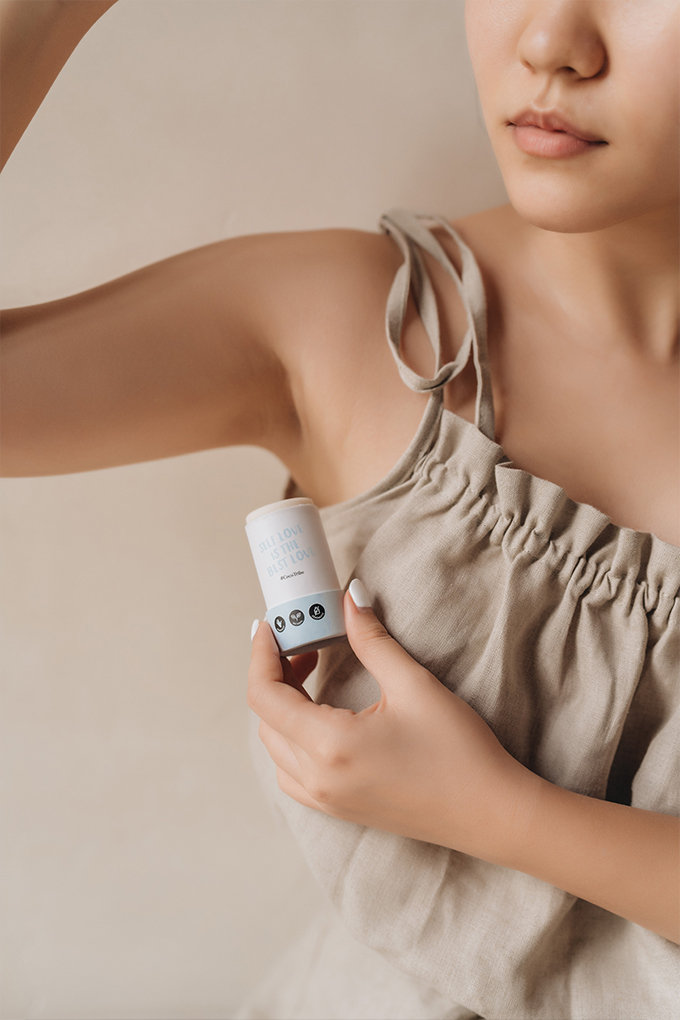
Coconut Matter Vegan Mood Natural Deodorant, $26
Available at Coconut Matter.