A cult favourite brand regionally, Anaabu is known for its novel take on recrafting heritage codes. But how did it all start? With a deep sense of kinship, one that translates beautifully into every thoughtfully designed silhouette. The magic of it lies in Ana, the founder’s deep ties to kinship, her family and the world she grew up in.
“I founded Anaabu from my passion for thrifting, which blossomed into a love for styling. Growing up surrounded by garments, I was influenced by my father, a Cambodian immigrant who made a living selling bundles at night markets throughout Malaysia. I would accompany him in the van, selling various types of clothing,” she recalls. Her grandmother also shaped her world. “My grandmother ran a small booth at a local market, selling tudung, kain sarung and kain pelikat. After school, I often played around her booth, immersing myself in the vibrant world of textiles.” Those early experiences seeded her instinct for styling and a lifelong appreciation of garments as carriers of memory and connection.

This understanding of kinship is evident in the Malaysian brand’s collections. The recent Kongsi Masa collection celebrates “shared time” across generations. “Kongsi Masa was inspired by the beauty of togetherness—moments of gathering, eating, praying or simply being present with family. I wanted the collection to feel like wearing memory, with each piece holding space for connection across generations.” By blending Chinese and Malay elements through a current lens, the collection embodies unity in everyday life and festive rituals alike.
In that same vein, the Sukma line explores ancestry as a living force. Sukma, which is Malay for ‘soul’ or ‘spirit’, channels the idea of lineage and the passage of traditions through generations. Each piece evokes the scenic magic of stories carried across land and time, allowing wearers to feel tethered to both their roots and the present moment. It is this symbiosis that makes Anaabu’s clothing intrinsically revelatory, practical yet deeply infused with sentiment.
“My grandmother ran a small booth at a local market, selling tudung, kain sarung and kain pelikat. After school, I often played around her booth, immersing myself in the vibrant world of textiles.”
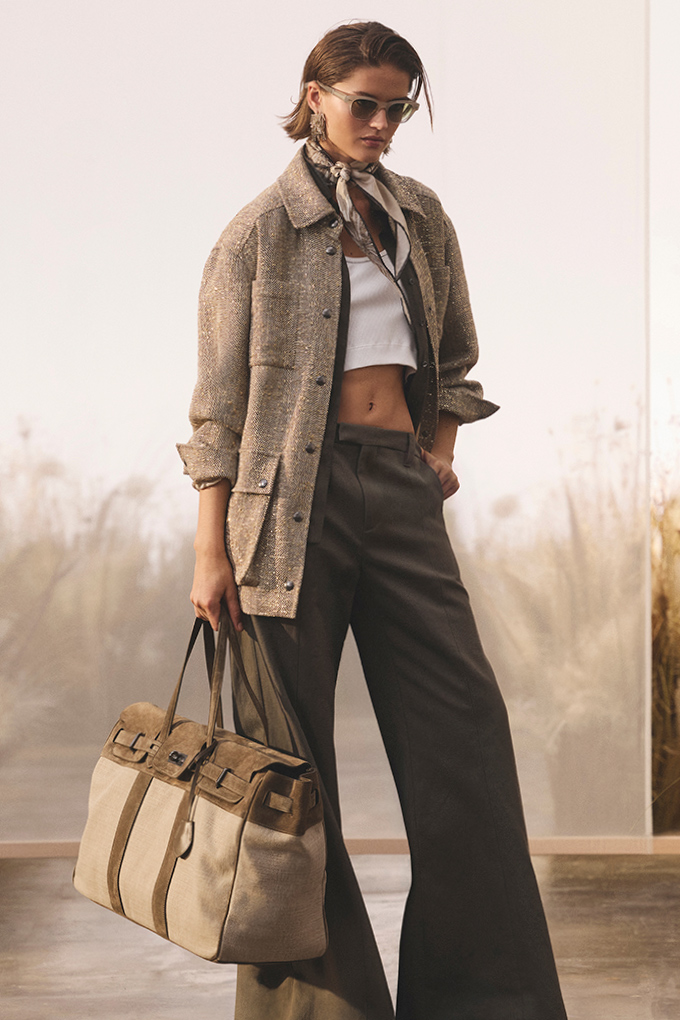
Through her design ethos, Ana is quietly crafting a philosophy of living. Her pieces—often gender-fluid and versatile—move with the pulsing rhythm of daily life. Fabric, texture and silhouette become storytellers in their own right, conveying meaning and kinship without ever feeling ostentatious.
Anaabu continues its journey on the cusp of sartorial exploration, expanding artistry while delving into the notion of layered cultural heritage. The Malaysian label remains firmly anchored in the rituals and family narratives that first inspired it, chronicling a legacy of kinship and memory into every piece, with many more to come.

How did Anaabu first come to life?
My background is in civil engineering. I worked as an engineer for a couple of years while spending weekends at bazaars and selling through an online blogshop. A turning point came when I decided to quit my job and open a boutique, fully dedicating myself to my business. Years of thrifting had honed my eye for garment details which inspired me to start designing my own pieces. I have a particular fondness for oversized clothing for its versatility, especially unisex shirts and bottoms with distinctive silhouettes. At the same time, I treasure traditional garments as they evoke cherished childhood memories. These influences naturally found their way into Anaabu, positioning the brand as a platform for contemporary classic clothing.
Why do you think Anaabu resonates so strongly with younger generations?
I think it’s because Anaabu reflects a way of living that feels authentic. Younger generations are drawn to clothes that are not merely seasonal, but meaningful—garments that carry memory while remaining functional and effortlessly wearable today. They find comfort in tradition, yet also a sense of freedom in the fluid, modern interpretation Anaabu offers.
How do you decide what elements of heritage to preserve and where to innovate in your collections?
We preserve what carries emotional weight—like textiles, rituals or familiar silhouettes—and then gently reframe them with a modern lens to add versatility and comfort.
Could you describe your design process?
My creative process often begins when I’m alone, but the most exciting part comes when I present it to the team. Brainstorming together allows ideas to flow freely, whether logical or completely wild, until we find common ground and shape them into something workable. I love our teamwork—it’s a balance of creativity and analytical thinking. Once the concept is set, we go through a roller coaster of emotions: excitement, doubt, stress and then finally relief when everything comes together. The final result is rarely exactly as I first imagined, but that’s what excites me most—it becomes a blend of everyone’s input, making it even more meaningful.
“We preserve what carries emotional weight—like textiles, rituals or familiar silhouettes—and then gently reframe them with a modern lens to add versatility and comfort.”
How has your family influenced your designs?
Family is at the heart of Anaabu. Looking back, I realise I was immersed in the clothing trade from a young age, even without fully knowing it. Although I later studied science and majored in offshore structures, my path eventually returned to what had always been closest to my heart—the world I grew up seeing every day. Each Anaabu collection is a reflection of those memories: the unity, the struggles, the quiet acts of love, the kindness or even objects passed down through generations.
How do you see fabric and texture as storytellers in your work?
Fabric is our first storyteller. Natural textiles carry honesty and their textures hold memory. Combined with neutral tones and simple detailing, they become timeless carriers of both tradition and modern life.
How does Anaabu contribute to the community today?
Through collaborations with artisans, by upcycling and by staying mindful of how and why we produce. We want Anaabu to not only dress people, but also nurture community and culture in ways that are responsible and meaningful.

Androgyny and gender-fluid silhouettes are a hallmark of Anaabu. Was this a deliberate choice to challenge traditional fashion norms or did it emerge organically through your design approach?
It happened naturally. Our silhouettes often blur boundaries because tradition is never rigid—men and women shared garments like sarongs or pelikat, with the distinction lying in how they wore them and the patterns behind them. Gender fluidity, then, isn’t a statement; it’s a continuation of that shared history.
What does kinship mean to you personally and how do you translate it into clothing?
Kinship is the thread that ties us together—through love, through memory, through shared rituals. Translating it into clothing means creating garments that people can carry into their own lives, making new memories along the way.
What’s next?
Next, we’re expanding our Essence collection—reimagining classic daily wear into experimental silhouettes that aren’t loud, but carry a quiet statement. Essence is about portraying effortlessness, staying true to our tagline, effort for effortlessness. Through this line, we want to push our design capabilities while remaining rooted in our identity. At the same time, we’re continuing to explore Malaysia’s rich cultural heritage for our upcoming festive collections. We hope to show the world that Malaysia, with its diversity and traditions, has so much to offer. Beyond collections, we’re also excited to keep growing as a team, building community and telling stories that honour where we come from while looking to the future.
The October issue of Vogue Singapore—themed ‘Kinship’—is available online and on newsstands.